
على الرغم من تسلحهم بمؤهلات أكاديمية وتخصصات علمية دقيقة، لا يزال الكثير من الأشخاص ذوي الإعاقة السمعية يواجهون تحديات معقدة في اختراق سوق العمل. وتبرز أزمة حقيقية في هذا الملف تتمثل في افتقار بعض جهات التوظيف في القطاع الخاص إلى الآليات المناسبة لاكتشاف مهارات الموظفين الصم واستثمارها بالشكل الأمثل بعد اجتيازهم مرحلة التعيين المبدئي، مما يخلق فجوة واضحة بين التوظيف الشكلي والتمكين الفعلي.
السياق التاريخي لأسبوع الأصم العربي
ويعتبر «أسبوع الأصم العربي» تظاهرة إعلامية وحقوقية سنوية انطلقت لأول مرة في عام 1974م بتوصية من الاتحاد العربي للهيئات العاملة في رعاية الصم. يهدف هذا الأسبوع إلى تسليط الضوء على حقوق الأشخاص ذوي الإعاقة السمعية، وإبراز قدراتهم، والتأكيد على ضرورة دمجهم في المجتمعات العربية. وفي هذا السياق التاريخي والحقوقي، شكلت التحديات الميدانية المحور الأبرز لفعاليات أسبوع الأصم العربي الحادي والخمسين، الذي نظمته الجمعية السعودية للإعاقة السمعية بالمنطقة الشرقية، بالتعاون مع مؤسسة «سعي» لتأهيل وتوظيف الأشخاص ذوي الإعاقة.
أهمية الحدث ومستهدفات رؤية 2030
احتضن مركز الأمير سلطان للعلوم والتقنية «سايتك» بمدينة الخبر هذه الفعاليات تحت شعار يحمل دلالة تحول استراتيجية: «المسار الوظيفي للأصم: من الحقوق إلى الواجبات لحياة أفضل». وتكتسب هذه الفعاليات أهمية بالغة على الصعيد المحلي والإقليمي، حيث تتماشى بشكل وثيق مع مستهدفات رؤية المملكة العربية السعودية 2030، التي نصت صراحة على تمكين الأشخاص ذوي الإعاقة، وتوفير فرص عمل مناسبة لهم تضمن استقلاليتهم واندماجهم كعناصر فاعلة في الاقتصاد الوطني. وشهدت الفعالية إطلاق مسارات عملية لتمكين الصم، شملت استقبال طلبات التوظيف المباشرة، وتوقيع اتفاقيات شراكة لتعزيز الإرشاد والتدريب المهني.
تحديات ميدانية وفجوة في بيئة العمل
يضع المعلم الأصم عبد الرحمن الحمود، وهو من خريجي الدفعة الأولى بتخصص تعليم الصم بجامعة الملك سعود، يده على الجرح في قضية التوظيف. وأوضح أنه يُعد، مع شقيقته، من أوائل المعلمين الصم في هذا المجال، معبراً عن فخره بهذه التجربة التي تحمله مسؤولية مضاعفة. وأشار الحمود إلى أن هناك فجوة واضحة في سوق العمل؛ حيث توفر بعض الجهات فرصاً وظيفية للصم، لكنها تعجز لاحقاً عن توظيف قدراتهم الحقيقية لانعدام آليات التقييم والتواصل الفعال في بيئة العمل، مشدداً على أن الفارق الوحيد بينهم وبين غيرهم هو حاسة السمع، بينما الإمكانات لا تختلف.
جهود مؤسسية لسد النقص
وفي مواجهة هذه الفجوة التنظيمية، تقود الجمعية السعودية للإعاقة السمعية بالمنطقة الشرقية جهوداً مكثفة لتهيئة البيئات المهنية. وأكدت مديرة الجمعية، أروى الدوسري، أن الجهود تتجاوز الدعم المالي واللوجستي لتصل إلى صلب التمكين الوظيفي. وبينت أن الجمعية تستقبل طلبات التوظيف وتربطها بالفرص المناسبة، بالتوازي مع تقديم دورات مكثفة في لغة الإشارة للجهات الحكومية والخاصة لتسهيل تواصلها مع الموظفين الصم. وتتفق هذه الرؤية مع خطط عضو مجلس إدارة الجمعية، خالد الحمود، الذي كشف عن هندسة اتفاقيات مشروطة مع مؤسسات القطاع الخاص تضمن تقديم برامج تأهيلية للصم مقابل توفير وظائف مستدامة تتناسب مع كفاءاتهم.
كسر العزلة وبناء القيادات
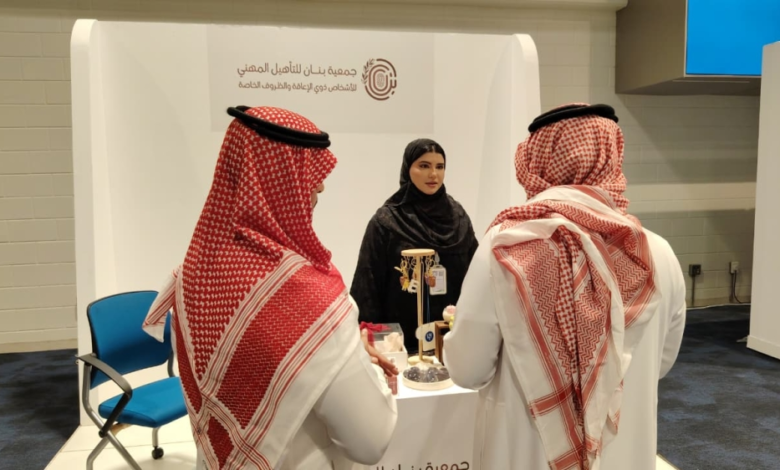
على صعيد التأهيل المهني، أوضحت مريم العسيري، من جمعية البنات للتأهيل المهني، أن مسارات التدريب تمتد لتشمل الحرف اليدوية، حيث يخضع المستفيدون لبرامج مهنية تستمر ثلاثة أشهر تنتهي بالتوظيف أو إطلاق مشاريعهم الخاصة. وعلى الجانب الموازي، يبرز دور الأندية المتخصصة في كسر عزلة الصم، حيث أفاد حمود الهمامي، الرئيس التنفيذي لنادي الصم بالمنطقة الشرقية، أن النادي لا يكتفي بالمنافسات الرياضية، بل يفعل الأنشطة الثقافية والاجتماعية لصقل مهارات الأعضاء وبناء شخصياتهم القيادية. وفي الختام، أكدت أبرار العتيبي من خلال تجربتها أن لغة الإشارة قادرة على التقريب بين الناس بشكل مذهل، داعية المجتمع لاكتشاف المهارات الدفينة التي يمتلكها الأشخاص الصم.