Diaa El-Awady: The story of the doctor of the poor who sparked controversy after his death

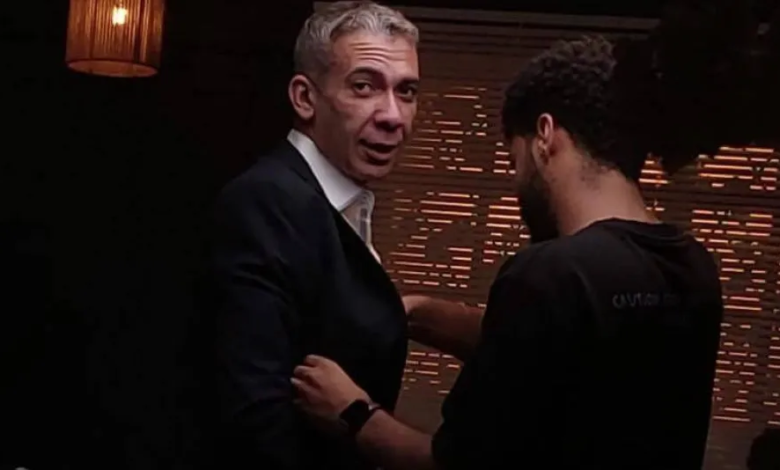
Dr. Diaa El-Awady was more than just a pediatrician in Tanta, Gharbia Governorate; he was a humanitarian icon and a symbol of generosity in Egypt. Known as the "Doctor of the Poor," he earned this title not arbitrarily, but as the culmination of a decades-long career dedicated to serving the poor and needy. He embraced a noble mission that transcended financial gain, reaching the very core of humanitarian duty. His passing, however, was not the end of his story; rather, it sparked a widespread debate that brought his unique legacy back into focus.
A journey of giving: A doctor for one pound
Dr. Diaa El-Awady began practicing pediatrics in his modest clinic in Tanta, and from the outset, he became known for his unconventional decision to charge only one Egyptian pound for a consultation. At a time when medical service prices were steadily rising, El-Awady remained committed to his principle, believing that medicine is a calling, not a business. As the years passed and economic changes unfolded, he was forced to raise his price slightly to 10 pounds, an amount that remained symbolic compared to the fees charged by other doctors. This approach made him a haven for thousands of low-income families who could not afford treatment, and his clinic became a beacon of hope in the heart of the Nile Delta.
Post-departure controversy: shock and decline
Following the death of Dr. Diaa El-Awady in early 2024, grief enveloped his loved ones and patients, who considered him a spiritual father. This sorrow was quickly compounded by shock and anger when his son, who inherited the clinic, announced his intention to raise the consultation fee to 70 Egyptian pounds, justifying it by citing rising operating costs and the demands of life. This announcement sparked a storm of controversy on social media, with many viewing it as a betrayal of his father's humanitarian legacy and a denial of his work. The son faced harsh criticism and was accused of greed and abandoning his father's noble mission.
The importance and impact of the event: a victory for human heritage
This story was more than just a family dispute; it became a public issue reflecting society's commitment to humanitarian values and its rejection of commodifying healthcare. The immense public pressure exerted through media and social media had a direct impact. Faced with this wave of criticism, the son reversed his decision and announced in a moving statement that he would continue his father's legacy, pledging to maintain his charitable approach. He even decided to dedicate days to completely free medical examinations, affirming that Dr. Diaa El-Awady's legacy would live on. Thus, the story of the "doctor of the poor" became more than just a tale of a virtuous physician; it became a lesson in the power of public opinion and its influence in preserving shining examples of humanity in society.