
في خطوة استراتيجية تهدف إلى تحقيق الاستقرار في أسواق الطاقة العالمية وتخفيف العبء عن المستهلكين، أعلنت الإدارة الأمريكية عن إفراج منسق لكميات كبيرة من النفط الخام من الاحتياطي البترولي الاستراتيجي (SPR). وتأتي هذه الخطوة كجزء من جهد دولي أوسع، بالتنسيق مع وكالة الطاقة الدولية (IEA)، لمواجهة الارتفاع الحاد في أسعار الطاقة الذي نجم عن اضطرابات جيوسياسية كبرى أثرت على إمدادات النفط العالمية.
خلفية تاريخية: ما هو احتياطي النفط الاستراتيجي؟
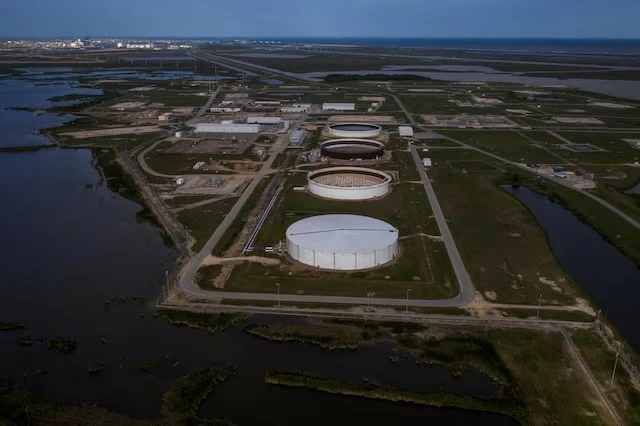
تم إنشاء احتياطي النفط الاستراتيجي الأمريكي في عام 1975 في أعقاب أزمة النفط عام 1973، عندما فرضت الدول العربية حظراً على صادرات النفط. الهدف الأساسي من هذا المخزون الضخم، الذي يتم تخزينه في كهوف ملحية تحت الأرض في تكساس ولويزيانا، هو توفير إمدادات طارئة للولايات المتحدة في حالة حدوث انقطاع خطير في إمدادات النفط. على مر العقود، تم استخدام الاحتياطي في مناسبات محدودة، مثل حرب الخليج عام 1991، وبعد إعصار كاترينا في 2005، وخلال الاضطرابات في ليبيا عام 2011، مما يجعله أداة حيوية للأمن القومي والاقتصادي.
السياق الحالي: استجابة لأزمة طاقة عالمية
جاء القرار الأخير بالسحب من الاحتياطي كاستجابة مباشرة للاضطرابات الكبيرة في سوق الطاقة التي أعقبت الغزو الروسي لأوكرانيا في أوائل عام 2022. أدت الحرب والعقوبات التي فرضت على روسيا، أحد أكبر منتجي النفط في العالم، إلى إزالة ملايين البراميل من النفط الروسي من السوق العالمية، مما خلق فجوة في الإمدادات ودفع أسعار خام برنت إلى تجاوز 100 دولار للبرميل، وهو أعلى مستوى لها منذ سنوات. هذا الارتفاع انعكس بشكل مباشر على أسعار البنزين والوقود للمستهلكين والشركات في جميع أنحاء العالم، مما زاد من الضغوط التضخمية على الاقتصادات التي كانت تتعافى للتو من جائحة كوفيد-19.
التأثير المتوقع وأهمية القرار
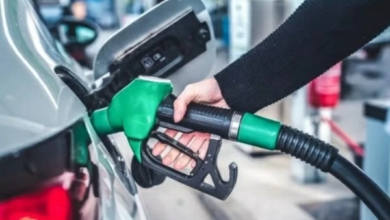
يهدف الإفراج المنسق للنفط من الاحتياطيات الاستراتيجية، والذي تشارك فيه الولايات المتحدة إلى جانب أكثر من 30 دولة عضو في وكالة الطاقة الدولية، إلى زيادة المعروض العالمي من النفط على المدى القصير. من خلال ضخ ملايين البراميل الإضافية في السوق، يأمل صانعو السياسات في كبح جماح الأسعار المرتفعة وتوفير بعض الراحة للمستهلكين. على الصعيد المحلي في الولايات المتحدة، شكل ارتفاع أسعار البنزين تحديًا سياسيًا واقتصاديًا كبيرًا للإدارة الحالية، حيث وصل متوسط سعر الغالون إلى مستويات قياسية، مما أثر على ميزانيات الأسر الأمريكية وثقة المستهلك.
على المستوى الدولي، يبعث هذا الإجراء برسالة قوية وموحدة من الدول المستهلكة للطاقة بأنها مستعدة للعمل بشكل جماعي لمواجهة تقلبات السوق وضمان استقرار الإمدادات. ورغم أن السحب من الاحتياطيات يعتبر حلاً مؤقتاً ولا يعالج الأسباب الجذرية لعدم التوازن بين العرض والطلب، إلا أنه يوفر جسراً زمنياً حيوياً للسوق للتكيف مع الواقع الجيوسياسي الجديد وللاستثمارات في مصادر الطاقة البديلة والتقليدية لتؤتي ثمارها.