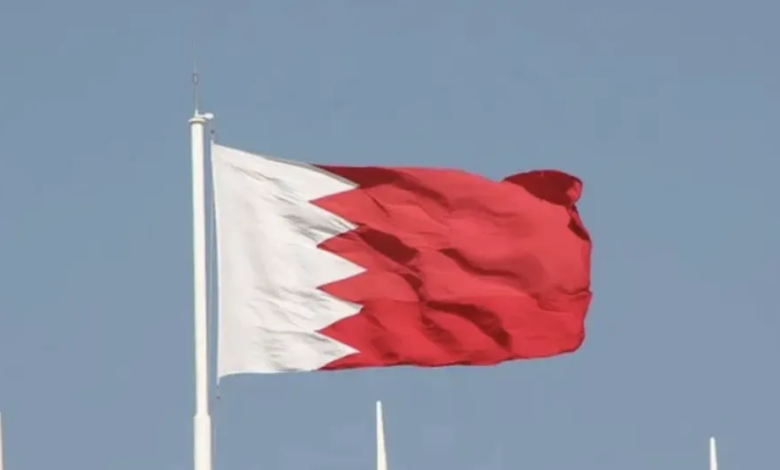

أصدرت المحكمة الجنائية الكبرى في مملكة البحرين حكماً بالسجن المؤبد على ثلاثة مواطنين بعد إدانتهم بتهم خطيرة تتعلق بالتخابر مع الحرس الثوري الإيراني بهدف تنفيذ أعمال عدائية ضد المملكة. ويأتي هذا الحكم ليسلط الضوء مجدداً على عمق التوترات السياسية والأمنية بين المنامة وطهران، والتي تشكل جزءاً لا يتجزأ من المشهد الجيوسياسي المعقد في منطقة الخليج العربي.
ووفقاً لتفاصيل القضية التي أعلنتها السلطات القضائية، فقد أدين المتهمون بتأسيس وتزعم خلية تهدف إلى الإضرار بأمن واستقرار البحرين. وشملت لائحة الاتهام تهم التخابر مع جهات أجنبية، وتلقي أموال وتدريبات عسكرية خارج البلاد، وجمع معلومات حساسة عن منشآت حيوية وعسكرية واقتصادية داخل المملكة، بهدف استهدافها لاحقاً. وقد أكدت المحكمة أن الأدلة المقدمة أثبتت تورط المدانين في مخطط يهدف إلى زعزعة استقرار النظام وتقويض المصالح العليا للبلاد.
خلفية من التوتر المستمر
لا يمكن فهم هذا الحكم بمعزل عن السياق التاريخي للعلاقات البحرينية-الإيرانية. فمنذ عقود، تتهم البحرين، وهي حليف وثيق للمملكة العربية السعودية والولايات المتحدة، جارتها إيران بالتدخل في شؤونها الداخلية ومحاولة تصدير ثورتها. وقد بلغت هذه الاتهامات ذروتها في أعقاب احتجاجات عام 2011، التي قادتها الأغلبية الشيعية في البلاد للمطالبة بإصلاحات سياسية. حيث اتهمت المنامة وحلفاؤها طهران بدعم المحتجين وتأجيج الاضطرابات، وهو ما تنفيه إيران باستمرار، مؤكدة أن دعمها يقتصر على الجانب المعنوي للشعوب التي تعتبرها مضطهدة.
الأبعاد الإقليمية والدولية للحكم
يحمل هذا الحكم دلالات تتجاوز الحدود المحلية للبحرين، إذ يندرج ضمن الصراع الإقليمي الأوسع بين المحور الذي تقوده السعودية وإيران. وتنظر دول مجلس التعاون الخليجي إلى مثل هذه القضايا كدليل مادي على ما تصفه بـ”السياسات التوسعية والعدائية” لإيران في المنطقة. ومن المتوقع أن يؤدي هذا الحكم إلى زيادة حدة الخطاب السياسي المتبادل، وقد يستخدم كأداة دبلوماسية في المحافل الدولية لتأكيد المخاوف الخليجية من النفوذ الإيراني.
على الصعيد الدولي، تراقب القوى الكبرى، وخاصة الولايات المتحدة التي تتخذ من البحرين مقراً لأسطولها الخامس، هذه التطورات عن كثب. فاستقرار البحرين يعتبر عنصراً حيوياً لأمن الممرات المائية وتدفق الطاقة في الخليج. وفي حين تدعم واشنطن حلفاءها في الخليج في مواجهة التهديدات الأمنية، فإن منظمات حقوق الإنسان الدولية غالباً ما تعبر عن قلقها إزاء الإجراءات القضائية في مثل هذه القضايا، داعية إلى ضمان شفافية المحاكمات واحترام حقوق المتهمين.