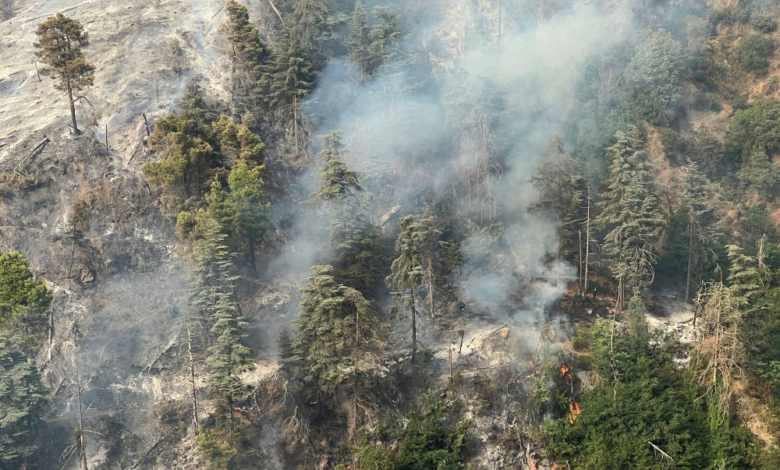

تفاقم أزمة تلوث الهواء في تايلاند وإعلان حالة الطوارئ
أعلنت السلطات في تايلاند رسمياً تصنيف ثلاث مقاطعات رئيسية في شمال البلاد، وهي تشيانغ ماي، ولامفون، وفايناو، كمناطق كوارث طارئة. يأتي هذا القرار الحاسم استجابةً للتدهور الخطير والمستمر في جودة الهواء، والذي وصل إلى مستويات تهدد الصحة العامة بشكل مباشر. وقد تصدرت مدينة تشيانغ ماي، الوجهة السياحية الشهيرة، قائمة أكثر المدن تلوثاً على مستوى العالم لليوم الخامس على التوالي، مما دق ناقوس الخطر لدى الجهات الحكومية والمنظمات البيئية.
التحركات الحكومية لمواجهة الكارثة البيئية
يتيح إعلان حالة الكوارث الطارئة لحكام هذه المقاطعات صلاحيات واسعة، أبرزها القدرة على الصرف الفوري للأموال المخصصة للطوارئ. وتُستخدم هذه الميزانيات للتعامل السريع مع الأزمة، مثل توفير أجهزة تنقية الهواء في الأماكن العامة، وتوزيع الأقنعة الواقية عالية الكفاءة على المواطنين، ودعم فرق الإطفاء التي تكافح الحرائق على مدار الساعة.
وفي هذا السياق، أوضح السيد أنسيت سامبانثارات، الأمين العام لوزارة الداخلية في تايلاند، أن اتخاذ هذه الخطوة الاستثنائية جاء خلال تقديمه تحديثاً شاملاً بشأن إدارة أزمة حرائق الغابات والدخان السام. وأشار إلى أن تلوث الجسيمات الدقيقة العالقة (PM2.5) قد اجتاح 17 مقاطعة شمالية، مما يتطلب تدخلاً حكومياً صارماً وموحداً للحد من تداعيات هذه الأزمة الخانقة.
السياق التاريخي وأسباب ظاهرة الضباب الدخاني
تُعد أزمة تلوث الهواء في تايلاند، وتحديداً في المناطق الشمالية، ظاهرة موسمية متكررة تُعرف محلياً بـ ‘موسم الدخان’. تبدأ هذه الأزمة عادةً في الفترة ما بين شهري فبراير وأبريل من كل عام. وتعود الأسباب الرئيسية لهذا التلوث الجسيم إلى الممارسات الزراعية التقليدية، حيث يعمد المزارعون إلى حرق المخلفات الزراعية لتجهيز الأراضي للموسم الجديد، وهي ممارسة تُعرف بـ ‘القطع والحرق’.
بالإضافة إلى ذلك، تساهم حرائق الغابات التي تندلع بسبب الجفاف الشديد وارتفاع درجات الحرارة، فضلاً عن الانبعاثات الصناعية وعوادم السيارات، في تفاقم المشكلة. وتتجمع هذه العوامل لتنتج سحابة كثيفة من الجسيمات الدقيقة (PM2.5) التي يسهل استنشاقها واختراقها لمجرى الدم، مما يسبب أضراراً صحية بالغة.
التأثيرات المحلية والإقليمية لأزمة التلوث
- التأثير المحلي والصحي: يترك هذا التلوث آثاراً كارثية على الصحة العامة، حيث تكتظ المستشفيات بالمرضى الذين يعانون من مشاكل في الجهاز التنفسي، والربو، وأمراض القلب. كما تتأثر العجلة الاقتصادية بشدة، لا سيما قطاع السياحة الذي يُعد شريان الحياة لمدينة مثل تشيانغ ماي، حيث يلغي العديد من السياح حجوزاتهم هرباً من الهواء السام.
- التأثير الإقليمي والدولي: لا تقتصر مشكلة الضباب الدخاني على الحدود التايلاندية، بل تمتد لتشمل الدول المجاورة مثل ميانمار ولاوس، مما يخلق أزمة تلوث عابرة للحدود. وتدفع هذه الظاهرة دول رابطة أمم جنوب شرق آسيا (آسيان) إلى عقد اجتماعات مستمرة لمحاولة إيجاد حلول إقليمية مشتركة للحد من الحرائق الزراعية المفتوحة وتطبيق سياسات بيئية أكثر صرامة.