Launch of the second phase of the school paramedic program to enhance safety

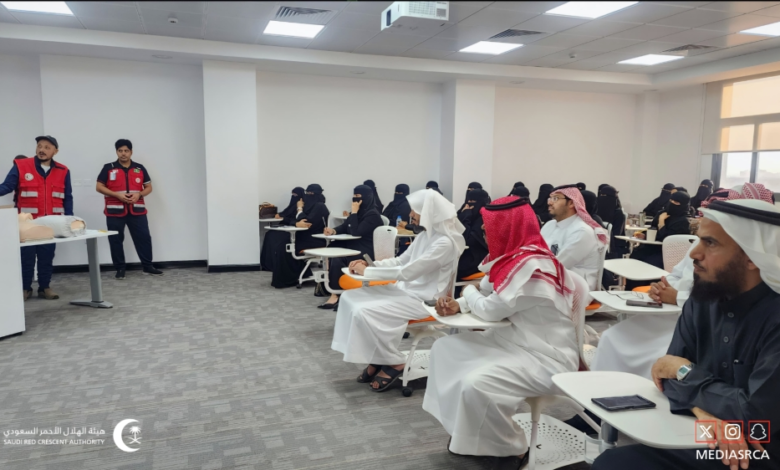
The Saudi Ministry of Education announced the launch of the second phase of the “School Paramedic” program, a strategic step aimed at enhancing safety and health standards within the educational environment. This phase includes 15 educational districts across the Kingdom and aims to train administrative and teaching staff in basic first aid skills, ensuring a rapid and effective response to emergencies and saving lives.
Program background and strategic objectives
The “School Paramedic” program is part of a comprehensive school health system adopted by the Ministry of Education, aligning with the goals of Saudi Vision 2030, particularly the “Vibrant Society” pillar, which focuses on improving quality of life and public health. School health initiatives are not new; they are the continuation of long-standing efforts aimed at making schools safe and stimulating environments. However, this program represents a significant leap forward through its advanced structure and effective partnership with the Saudi Red Crescent Authority, the official body authorized to provide paramedic training licenses in the Kingdom, thus ensuring the quality and reliability of the skills acquired.
The importance of the initiative and its expected impact
The program's importance lies in its ability to transform school staff, from teachers to administrators, into qualified first responders. This transformation has a profound impact on several levels:
- Locally: At the local level, the program contributes to reducing response times to accidents and emergencies that may occur to students, such as choking, cuts, or sudden seizures. The first few minutes are crucial in saving a life, and having a trained person on site can mean the difference between life and death or prevent the injury from worsening. The program also promotes a culture of prevention and health awareness among the students themselves.
- Nationally: At the national level, the program supports the health sector's efforts by reducing the burden on emergency services, as mild and moderate cases can be effectively managed within schools. The program also enhances national preparedness for crises and disasters by equipping a broad segment of society with vital skills.
Implementation mechanism and geographical expansion
The program's field action plan, which runs until mid-2028, is based on a Training of Trainers (TOT) model. Central trainers are prepared in each education department after obtaining official training licenses from the Saudi Red Crescent Authority. These trainers then train their colleagues in schools as part of the "Ambassador of Life" program. The second phase includes broad coverage across education departments in the Riyadh, Eastern, Asir, Makkah, Jeddah, Madinah, Jazan, Qassim, Taif, Al-Ahsa, Tabuk, Hail, Al-Jawf, Najran, and Northern Borders regions, ensuring the initiative's impact reaches the largest possible number of schools throughout the Kingdom.