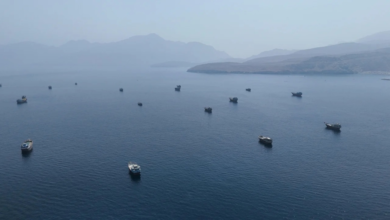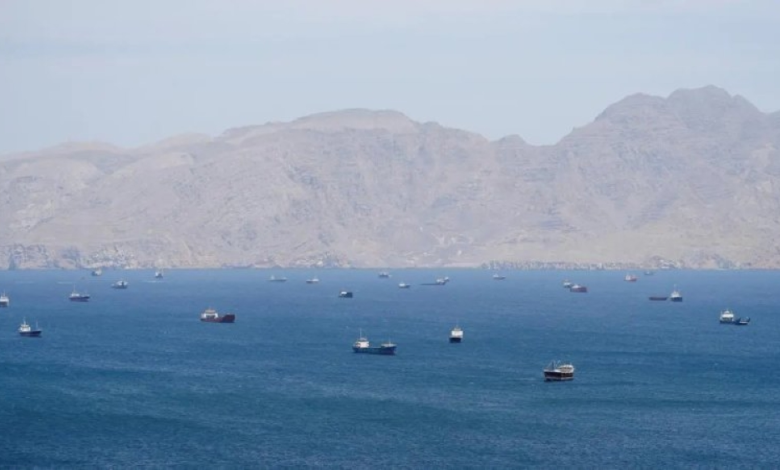

أعلنت المنظمة البحرية الدولية (IMO) عن وضع مقلق للغاية في منطقة الخليج، حيث بات ما يقرب من 1500 سفينة تجارية وطاقم يضم حوالي 20 ألف بحار عالقين في المنطقة، وذلك على خلفية التوترات الجيوسياسية التي تهدد بإغلاق مضيق هرمز، أحد أهم الممرات المائية في العالم.
وفي كلمة له في بنما، صرّح أرسينيو دومينجيز، الأمين العام للمنظمة التابعة للأمم المتحدة، قائلاً: “في الوقت الراهن، لدينا نحو 20 ألف شخص من الطواقم ونحو 1500 سفينة محاصرين”. وأكد دومينجيز أن هؤلاء البحارة هم “أناس أبرياء يؤدون وظائفهم كل يوم لصالح دول أخرى، لكنهم محاصرون بسبب أوضاع جيوسياسية خارجة عن سيطرتهم”، مشدداً على أن الشحن البحري هو عصب التجارة العالمية، حيث ينقل أكثر من 80% من إجمالي المنتجات المستهلكة حول العالم.
الأهمية الاستراتيجية لمضيق هرمز
يُعد مضيق هرمز شرياناً حيوياً للاقتصاد العالمي، فهو ليس مجرد ممر مائي، بل هو النقطة الأكثر أهمية في العالم لصادرات النفط. يمر عبر هذا المضيق، الذي يفصل بين إيران وسلطنة عمان، ما يقارب خُمس استهلاك النفط العالمي، بالإضافة إلى كميات هائلة من الغاز الطبيعي المسال (LNG)، خاصة من قطر، أكبر مصدر للغاز المسال في العالم. أي تعطيل للملاحة في هذا الممر الضيق سيكون له تداعيات فورية وكارثية على أسواق الطاقة العالمية، مما يؤدي إلى ارتفاع حاد في أسعار المحروقات ويؤثر على اقتصادات الدول المستوردة والمصدرة على حد سواء.
سياق تاريخي من التوترات
لم تكن منطقة مضيق هرمز بعيدة عن التوترات عبر التاريخ. ففي ثمانينيات القرن الماضي، شهدت المنطقة ما عُرف بـ “حرب الناقلات” خلال الحرب العراقية الإيرانية، حيث تم استهداف العديد من ناقلات النفط. وفي السنوات الأخيرة، تكررت التهديدات الإيرانية بإغلاق المضيق رداً على العقوبات الدولية أو التوترات مع الولايات المتحدة ودول أخرى. كما شهدت المنطقة حوادث احتجاز سفن تجارية، مما زاد من تكاليف التأمين على الشحن ورفع منسوب المخاطر للشركات الملاحية التي تعبر من خلاله يومياً.
التأثيرات الاقتصادية والأمنية المتوقعة
إن إغلاق مضيق هرمز، حتى لو كان مؤقتاً، سيطلق موجة من الصدمات في الاقتصاد العالمي. فإلى جانب الارتفاع الفوري في أسعار النفط والغاز، ستواجه سلاسل الإمداد العالمية اضطرابات حادة، حيث ستضطر السفن إلى البحث عن مسارات بديلة أطول وأكثر تكلفة، مما يرفع أسعار السلع النهائية للمستهلكين. على الصعيد الإقليمي، سيتأثر اقتصاد دول الخليج بشكل مباشر، حيث تعتمد بشكل شبه كامل على هذا الممر لتصدير مواردها الطاقوية. دولياً، قد يدفع هذا الوضع إلى تدخلات عسكرية لتأمين حرية الملاحة، مما يزيد من احتمالية نشوب صراع أوسع نطاقاً يهدد الاستقرار في منطقة الشرق الأوسط والعالم بأسره.