Penalties for transporting pilgrims in violation of regulations: a fine of 50,000 riyals and imprisonment for 6 months

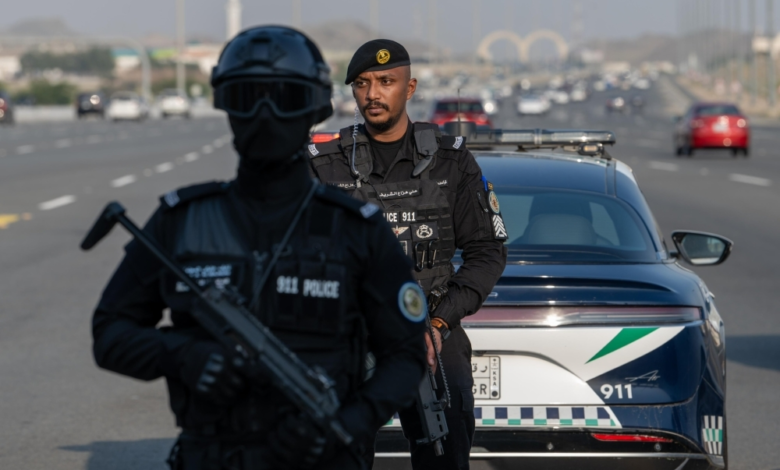
As part of its extensive preparations to ensure a safe and organized Hajj season, the Saudi Ministry of Interior reiterated its commitment to enforcing strict penalties against anyone caught transporting citizens and residents who violate Hajj regulations and instructions by not possessing valid Hajj permits. These measures are part of the “No Hajj Without a Permit” campaign, which aims to safeguard the security and well-being of pilgrims and facilitate their performance of the rituals.
Details of the penalties and the mechanism for their implementation
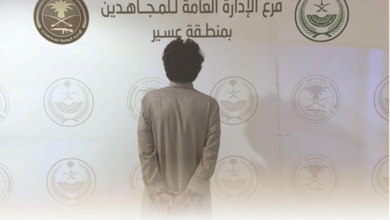
The ministry clarified that the penalty for this violation includes a fine of up to 50,000 Saudi riyals and imprisonment for up to six months. It emphasized that the penalties are multiplied according to the number of violators transported. Furthermore, the punitive measures include the confiscation of the land vehicle used in the violation by court order, deportation of the offending transporter if a foreign national, and a ban on re-entry to the Kingdom for the periods specified by law.
The organizational context to ensure the safety of pilgrims
Managing crowds during the Hajj season is one of the world's greatest logistical challenges, as the Kingdom receives millions of pilgrims from around the globe within a short timeframe. Over the decades, Saudi Arabia has developed a comprehensive infrastructure and sophisticated systems to manage this great religious rite. The requirement for a formal Hajj permit is not a bureaucratic procedure, but rather a cornerstone of a comprehensive organizational plan aimed at:
- Controlling the numbers: Ensuring that the capacity of the holy sites (Mina, Muzdalifah, and Arafat) is not exceeded, thus preventing stampedes and overcrowding that could lead to tragic incidents.
- Provision of services: Ensuring that all health, accommodation and transportation services are adequately available to all regular pilgrims.
- Health security: Preventing the spread of diseases and epidemics by monitoring the health status of pilgrims arriving with official permits.
Importance and expected impact of the measures
Domestically, these deterrent penalties help to thwart fraudulent campaigns and intermediaries who exploit the desire of some to perform Hajj through irregular means, thus endangering pilgrims and negatively impacting the quality of services provided. These measures also enhance the confidence of citizens and residents in the state's ability to organize the Hajj season with high efficiency.
On the international level, these stringent regulations reflect the Kingdom's unwavering commitment to providing the highest standards of security and safety for pilgrims, reinforcing its position as a safe and reliable destination for performing the fifth pillar of Islam. They also send a clear message to the world that the Hajj is organized according to well-considered plans that prioritize human safety.
A call for cooperation and commitment
The Ministry of Interior urged all citizens and residents to fully comply with Hajj regulations and instructions, emphasizing that cooperation with the relevant authorities is the best way to ensure a successful season. The Ministry called on the public to report any violations or fraudulent Hajj campaigns by calling 911 in the Makkah, Riyadh, and Eastern regions, and 999 in the rest of the Kingdom, to contribute to a safe and accessible Hajj for all.