
أصدرت وزارة الطاقة الأمريكية تحذيراً قوياً بشأن التداعيات الاقتصادية الخطيرة التي قد تنجم عن أي اضطراب في أحد أهم الممرات المائية في العالم، مؤكدة أن أسعار النفط العالمية مرشحة للارتفاع بما لا يقل عن 20 دولاراً للبرميل في حال استمر إغلاق مضيق هرمز حتى نهاية شهر يونيو المقبل. ويأتي هذا التحذير في ظل تصاعد التوترات الجيوسياسية في المنطقة، مما يسلط الضوء مجدداً على الأهمية الاستراتيجية الفائقة لهذا المضيق.
وفي تفاصيل السيناريو الذي طرحته الوزارة، ونقلته قناة “العربية”، فإن التوقعات تفترض استمرار الإغلاق الكامل للمضيق حتى أواخر شهر مايو، على أن تبدأ حركة الملاحة في العودة بشكل تدريجي خلال شهر يونيو. ورغم العودة المتوقعة، فإن الصدمة التي ستتعرض لها أسواق الطاقة ستكون كافية لدفع الأسعار إلى مستويات قياسية جديدة، مما يضيف أعباءً ثقيلة على كاهل الاقتصاد العالمي الذي يعاني أصلاً من ضغوط تضخمية.
الأهمية الاستراتيجية لمضيق هرمز
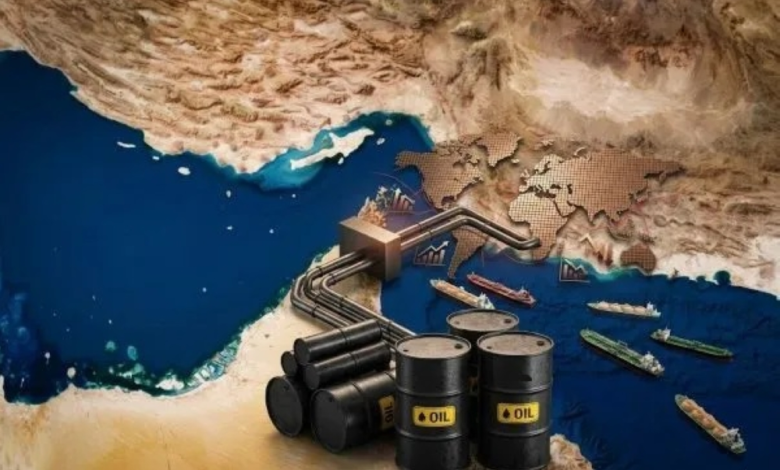
يُعتبر مضيق هرمز شريان الطاقة العالمي الأبرز، حيث يمر عبره يومياً ما يقرب من خُمس إجمالي استهلاك النفط العالمي، أي ما يعادل حوالي 21 مليون برميل، بالإضافة إلى كميات ضخمة من الغاز الطبيعي المسال، خاصة من قطر. يربط المضيق بين الخليج العربي، الذي يضم كبار منتجي النفط مثل السعودية والإمارات والكويت والعراق وإيران، وبين بحر عمان ومنه إلى الأسواق العالمية. هذا الموقع الجغرافي الحساس يجعله نقطة اختناق محورية، وأي تعطيل للملاحة فيه يعني فعلياً قطع إمدادات حيوية عن العالم بأسره.
تأثيرات اقتصادية واسعة النطاق
إن إغلاق مضيق هرمز، حتى لو كان مؤقتاً، لن يقتصر تأثيره على ارتفاع أسعار النفط الخام فقط، بل سيمتد ليحدث سلسلة من التداعيات السلبية على الصعيدين الإقليمي والدولي. فعلى المستوى العالمي، سيؤدي ارتفاع تكاليف الطاقة إلى زيادة أسعار الوقود للمستهلكين، ورفع تكاليف الإنتاج والنقل للشركات، مما يغذي موجات التضخم ويضعف القوة الشرائية، وقد يدفع العديد من الاقتصادات الكبرى نحو الركود. أما إقليمياً، فسيتسبب الإغلاق في شل اقتصادات الدول الخليجية المعتمدة بشكل أساسي على تصدير النفط والغاز عبر هذا الممر، مما يهدد استقرارها المالي ويزيد من حدة التوترات الأمنية.
جهود دبلوماسية لتأمين الملاحة
في سياق متصل، تتواصل الجهود الدبلوماسية الدولية لتأكيد ضرورة الحفاظ على أمن واستقرار الممرات المائية الدولية. وفي هذا الإطار، التقى وزير الخارجية السعودي، الأمير فيصل بن فرحان، في لندن، بمستشار الأمن الوطني في المملكة المتحدة، جوناثان باول. وشهد اللقاء تأكيداً مشتركاً على أهمية ضمان حرية الملاحة في مضيق هرمز، وضرورة تضافر الجهود الدولية للحفاظ على أمن المنطقة واستقرارها، ورفض استخدام المضيق كأداة للضغط السياسي أو العسكري. وتعكس هذه التحركات الدبلوماسية حجم القلق الدولي من أي تهديد محتمل لهذا الممر المائي الحيوي، والسعي الحثيث لتجنب سيناريو كارثي قد يضر بالجميع.