
Global oil markets saw a significant price surge on Friday, driven by renewed fears of a large-scale military escalation in the Middle East, the world's main energy artery. This rise reflects the energy markets' extreme sensitivity to geopolitical stability in this vital region.
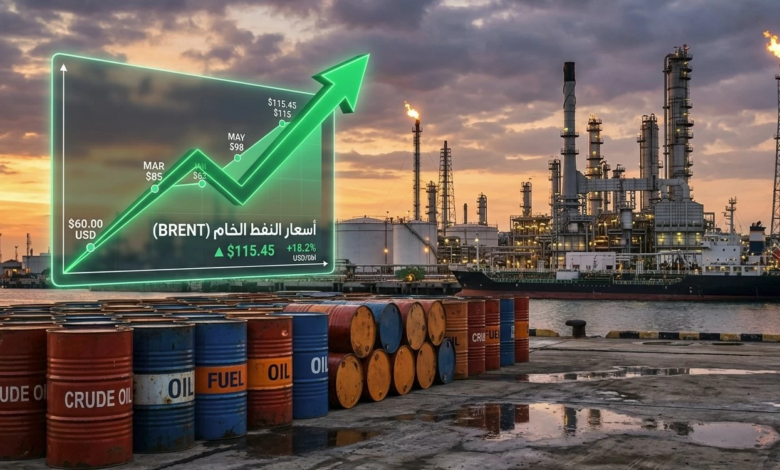
In trading details, Brent crude futures rose by $1.23, or 1.17%, to reach $106.30 a barrel by 01:07 GMT. Meanwhile, West Texas Intermediate (WTI) crude futures climbed 1.12%, or $1.07, to $96.92 a barrel. These gains add to the previous day's rises, with both benchmarks gaining more than 3% at Thursday's settlement and adding nearly $5 a barrel during the session.
Historical context and importance of the region
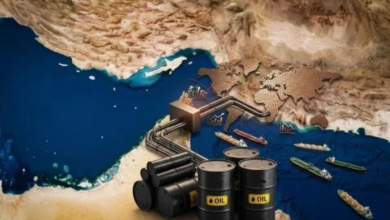
Historically, oil prices have been closely linked to political and military events in the Middle East. The region not only holds the world's largest proven oil reserves but also controls strategic shipping lanes, most notably the Strait of Hormuz, through which nearly one-fifth of the world's daily oil consumption passes. Any threat to close this strait or disrupt shipping inevitably leads to a shock in global energy markets. The past decades have witnessed major oil crises linked to regional conflicts, such as the October War of 1973, the Iranian Revolution, and the Gulf War, cementing in the minds of investors the concept of a "geopolitical risk premium" that is added to the price per barrel whenever a new crisis erupts.
Expected impacts on the global economy
The continued rise in oil prices has far-reaching economic consequences. Internationally, higher energy costs are fueling inflationary pressures in most major economies, potentially forcing central banks to tighten monetary policy more rapidly, which could slow global economic growth. Oil-importing countries, such as those in the European Union, China, and Japan, will be the hardest hit, as their energy import bills will increase and production and transportation costs will rise. Domestically, for consumers worldwide, this translates directly into higher fuel prices at the pump and increased costs for goods and services, impacting individual purchasing power and adding to their living expenses.
Conversely, while oil-producing countries in the region benefit from increased revenues, they simultaneously face an existential threat to the stability of their oil facilities and export pipelines. Therefore, the current situation remains volatile, with analysts and investors closely monitoring any developments that could lead to further escalation or de-escalation, making global oil markets hostage to news emanating from the Middle East in the foreseeable future.