
Declaration of American military victory in Iran
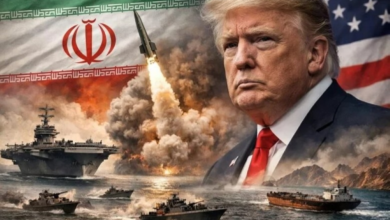
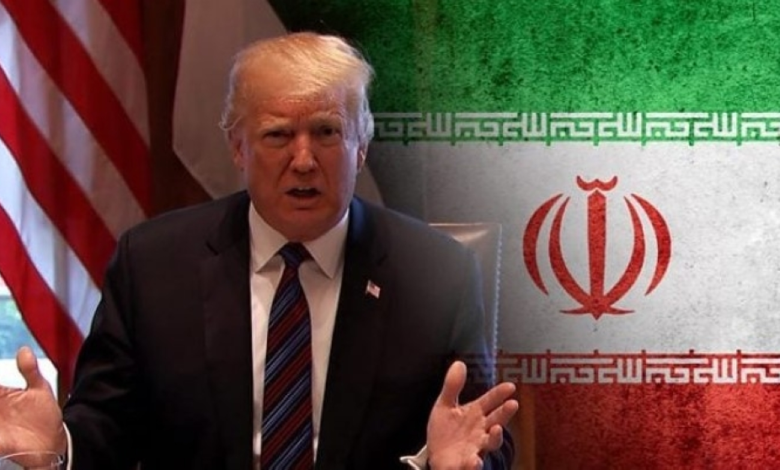
In a significant development on the international stage, the White House described the recent military operations in Iran as a “stunning strategic victory” achieved by US President Donald Trump and the US military. The US administration asserted that the armed forces achieved and exceeded all their military objectives within a record time of just 38 days. This rapid achievement aligns with Trump’s initial estimates from the outset of the crisis, in which he anticipated the military operation would last a maximum of four to six weeks.
Historical context and strategic importance of the Strait of Hormuz
These developments culminate years of escalating tensions between Washington and Tehran, particularly regarding the nuclear program and regional influence. Perhaps the most immediate result of this military intervention is the United States' success in reopening the strategic Strait of Hormuz. This waterway is of paramount international importance, as a fifth of the world's oil production passes through it, meaning that securing it positively impacts the stability of global energy markets and prevents devastating economic crises that threatened the international economy.
American diplomatic influence and Iranian counter-demands
The White House indicated that this military superiority on the ground had given President Trump enormous leverage in negotiations, forcing Tehran to the negotiating table to seek a diplomatic solution. In response, Iran announced it had sent a 10-point proposal to American negotiators to end the state of war with the United States and Israel. The Iranian document includes key conditions, most notably continued Iranian control of the Strait of Hormuz, recognition of its right to enrich uranium, and the fundamental demand for the complete and comprehensive lifting of all economic sanctions imposed on it.
The launch of the Islamabad negotiations and their regional implications
In an effort to contain the crisis, Tehran officially announced the start of a round of direct negotiations with the United States in the Pakistani capital, Islamabad, scheduled to last for two weeks. This diplomatic move came shortly after Trump announced the suspension of his threats to launch devastating attacks targeting the Islamic Republic's vital infrastructure. For its part, Iran's Supreme National Security Council issued a statement confirming that the decision to engage in negotiations was made at the highest leadership levels, while simultaneously warning that sitting down at the negotiating table "does not necessarily mean the end of the war," thus leaving the door open to all possibilities.
Expected impact of the event
Regionally, Middle Eastern countries are watching the outcome of these negotiations with great caution, as any agreement or escalation will directly impact the security of the Arabian Gulf. Internationally, the success of the diplomatic process in Islamabad could usher in a new era of geopolitical stability and bring an end to one of the most serious crises to have threatened international peace and security in modern times.