
Devastating repercussions of the war on the Iranian economy
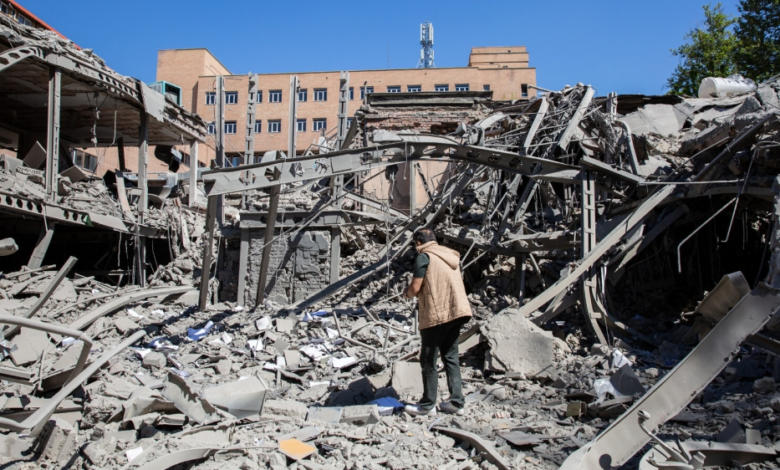
Tehran has recently suffered heavy human and economic losses as a result of the latest military escalation, placing the Iranian economy under unprecedented pressure. Iranian and international media outlets have published detailed reports revealing the extent of the damage to infrastructure and the energy sector, as well as the loss of life, foreshadowing profound repercussions both domestically and regionally.
In detailing these repercussions, Al Arabiya, via its official X platform, quoted Iranian media outlets as saying that the death toll from the current war has reached approximately 4,165. On the economic front, The New York Times reported that around 10 million Iranians have been directly affected by frequent power outages. The newspaper explained that the electricity crisis resulting from the war's aftermath has cost the Iranian economy an estimated $1.3 billion. The crisis was not limited to electricity; it extended to the Iranian government's internet shutdown, further destabilizing the already struggling domestic economy and disrupting business and communication.
On the other hand, the International Energy Agency confirmed that more than 80 vital oil and gas facilities were damaged in the attacks on Iran, striking at the heart of the Iranian economy, which relies almost entirely on energy exports. In a related development, The Wall Street Journal revealed that the naval blockade imposed on Iran is costing its treasury a staggering $435 million daily, exacerbating the country's already dire financial crisis.
Historical context and regional and international influences
These developments are unfolding within a complex historical context, as the Iranian economy has suffered for decades under crippling international sanctions due to its nuclear program and regional interventions. These cumulative sanctions have severely weakened Iran's infrastructure, making it more vulnerable and susceptible to rapid collapse in the face of any direct military escalation. Historically, Iran has not witnessed infrastructure destruction of this magnitude since the Iran-Iraq War of the 1980s, making the current crisis a pivotal turning point in the country's modern history.
US accusations of “economic terrorism” and strict conditions
On the diplomatic and political front, US Vice President J.D. Vance accused Tehran of engaging in acts of “economic terrorism” against the entire world. In remarks to Fox News, Vance indicated significant progress in talks with Iran, emphasizing, in reference to a second round of negotiations, that “the ball is now in Tehran’s court.” Vance added that the United States has set clear red lines for any major deal with Iran, stipulating that Washington must immediately halt uranium enrichment and remove all enriched uranium stockpiles from Iranian territory.
Regarding the Strait of Hormuz, the strategic waterway through which about one-fifth of the world’s oil consumption passes, Vance stated that Washington expects Iran to make progress on ensuring the strait remains open and does not obstruct international navigation.
The significance of these events extends beyond Iran's borders. Domestically, these losses exacerbate inflation and unemployment, deepening the suffering of ordinary Iranians. Regionally, the targeting of energy facilities and the threats surrounding the Strait of Hormuz raise serious concerns about the security of global energy supplies and oil price levels. Internationally, the course of US-Iranian talks will determine the geopolitical balance in the Middle East and whether the region moves toward de-escalation or a full-blown escalation that could draw other major powers into the conflict.