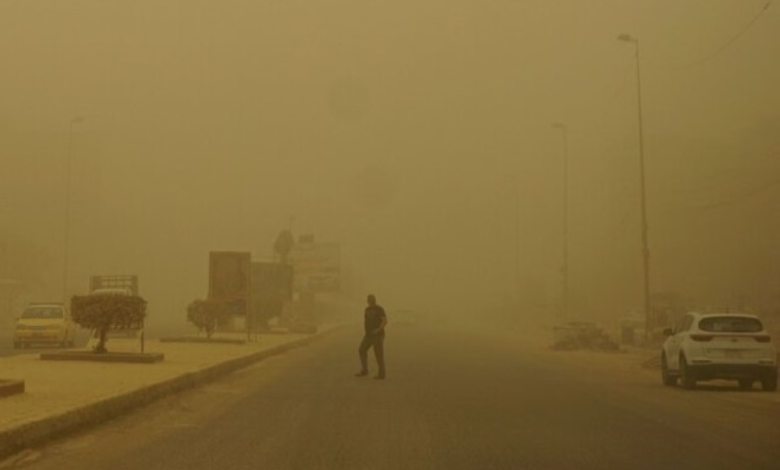

The National Center for Meteorology in Saudi Arabia issued a red alert warning of severe weather conditions in Riyadh and its surrounding governorates, including dust storms expected overnight. These warnings are issued as part of the authorities' commitment to the safety of citizens and residents, as the weather conditions are expected to cause near-zero visibility.
Red alert details and weather conditions in Riyadh
According to official reports from the National Center for Meteorology, the weather phenomenon will begin at 8:00 PM on Thursday and is expected to continue until 2:00 AM on Friday. This advanced warning includes the capital, Riyadh, as well as several neighboring governorates, including Diriyah, Thadiq, Huraymila, Rumah, and Dhurma.
The effects of these storms include active surface winds that stir up dust and sand, which will reduce horizontal visibility to one kilometer or less, requiring the utmost caution, especially for those using highways and open areas.
General context and historical background of dust storms in the Kingdom
Dust and sandstorms are common and frequent weather phenomena in the Arabian Peninsula, and particularly in Saudi Arabia, due to its desert geography and arid climate. These storms are typically active during seasonal transitions, such as the end of winter and the beginning of spring, or as a result of fluctuations in atmospheric pressure and surface wind patterns.
Historically, Riyadh has experienced numerous intense dust storms that have disrupted daily life. Over the years, the Kingdom has developed an advanced early warning system, spearheaded by the National Center for Meteorology, which utilizes cutting-edge satellite and radar technologies to monitor wind patterns and predict storm paths well in advance. This significantly contributes to minimizing material and human losses and enhancing preparedness.
The impact of dust storms on public life and the economy
These weather warnings are of paramount importance on several levels. Locally, dust storms directly impact road traffic and navigation, increasing the likelihood of traffic accidents due to poor visibility. They also pose a significant challenge to public health, particularly for individuals with respiratory conditions such as asthma and allergies, often leading to an increase in emergency room visits at hospitals and health centers.
On a regional and economic, severe dust storms can cause delays or rescheduling of flights at major airports to ensure passenger safety. They also disrupt supply chains and logistical transport between cities, forcing some international trade activities and construction sites to temporarily halt operations until the storm clears and the weather stabilizes.
Safety guidelines for dealing with dust storms
In light of these fluctuating weather conditions, the relevant authorities, such as the Civil Defense and the Ministry of Health, emphasize the need to follow the following preventive guidelines:
- Stay indoors as much as possible and only go out when absolutely necessary during periods of high wind activity.
- Seal windows and doors tightly to prevent dust and dirt from entering homes.
- Wear medical masks or use wet wipes when you have to go out, to protect your respiratory system.
- Drive very carefully and at low speeds, with the vehicle's warning lights on, and leave a safe distance between cars.
- Follow the continuous updates issued by the National Center for Meteorology through official channels.
Adherence to these guidelines will ensure that this weather event passes peacefully, and underscores the importance of community awareness in dealing with the natural phenomena witnessed in the region.