Algeria and Russia reaffirm their commitment to OPEC+ to stabilize oil markets

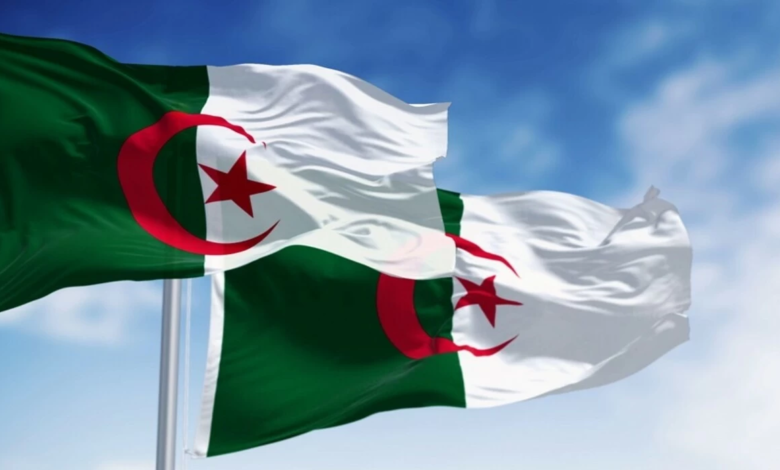
Algeria, a prominent member of the Organization of the Petroleum Exporting Countries (OPEC), announced its full commitment to its obligations to the organization and the OPEC+ alliance. This affirmation came in a statement issued by the Algerian Ministry of Energy, underscoring the pivotal role the country plays in supporting the stability of global oil markets, particularly in light of the challenges and transformations facing the global energy sector.
In a related development, the Kremlin confirmed that Russia, a key partner in the OPEC+ alliance, is not considering withdrawing from the agreement and intends to continue close cooperation with the other members. Kremlin spokesman Dmitry Peskov stated that the existing agreements have proven highly effective in achieving the necessary market balance, emphasizing that the continuation of this cooperative framework is essential for ensuring long-term stability.
Historical context of the OPEC+ alliance
OPEC was founded in 1960 to coordinate oil policies among its member states, protect their interests, and ensure price stability. Over time, with the emergence of major producers outside the organization, the need for a broader framework for cooperation became apparent. In 2016, the OPEC+ alliance was formed, comprising OPEC members and ten other oil-producing countries, most notably Russia. The primary objective of this alliance was to restore balance to the oil market, which had suffered from oversupply and a sharp decline in prices. Since then, the alliance has played a crucial role in managing global oil supplies through collective decisions to reduce or increase production.
The importance of compliance and its impact on markets
These assurances from Algeria and Russia come at a sensitive time, especially after Angola's decision to withdraw from OPEC in late 2023 due to disagreements over production quotas. The renewed commitment from key players like Algeria and Russia sends a strong message to the markets that the alliance remains cohesive and capable of making unified decisions. This cohesion is crucial for bolstering investor confidence and preventing speculation that could lead to sharp fluctuations in oil prices.
Internationally, this unified stance strengthens the geopolitical influence of the OPEC+ alliance as a key player in the global energy sector. The ability to control a significant portion of global supply gives the alliance considerable leverage against major consuming nations. Furthermore, maintaining stable oil prices at reasonable levels benefits the economies of producing countries, which rely heavily on oil revenues to finance their budgets, while simultaneously contributing to global economic stability by preventing price shocks that could fuel inflation.