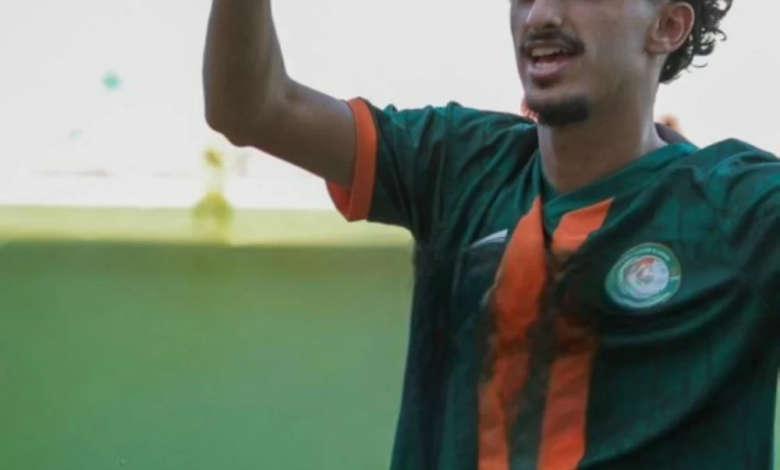

In saddening news for the sports community in Al-Ahsa Governorate, young talent Bader Al-Ghamdi , one of the most prominent players in the under-17 category at Al-Rawdah Club , suffered a serious injury: a torn cruciate ligament. The injury occurred while the player was participating with his team in official competitions, necessitating urgent medical intervention to conduct thorough examinations and develop a treatment plan to ensure his return to the field.
A torn anterior cruciate ligament (ACL) is one of the most common and severe injuries in football, requiring a treatment and rehabilitation period that can last from six to nine months. Despite the severity of this injury, significant advancements in sports medicine and orthopedic surgery have made the return to high performance levels very high, provided that the player adheres to a rigorous rehabilitation program and receives close monitoring, which is precisely what Al Rawda Club is striving to provide for its young player.
In a detailed account of the humanitarian and administrative situation, the player's father, renowned Saudi visual artist Mohammed Al-Ablan , confirmed in a press statement that his son's health is stable, thanks be to God. Al-Ablan praised the sincere support of the club's management, noting his meeting with the supervisor of the youth teams at Al-Rawdah Club, Mr. Abdulrahman Adel Al-Fuhaid, who demonstrated great concern and personal follow-up on the case from the moment the injury occurred.
In fulfillment of its social and sporting responsibility towards its players, Al-Rawdah Club's management announced its full coverage of all expenses related to the surgical procedure, including the medical rehabilitation program and post-operative care, regardless of whether the surgery is performed in Jeddah or Al-Ahsa. This initiative reflects the high level of professionalism with which the club manages its youth teams and the management's commitment to the well-being and future of its young players.
It is worth noting that Al-Rawdah Club, based in Al-Jishah in Al-Ahsa, boasts a long and distinguished history and a loyal fan base. The people of Al-Jishah and Al-Ahsa in general are known for their strong social cohesion and unwavering support for sports and athletes. Such initiatives are not unusual for this club, as this moral and material support boosts the confidence of young players and fosters a sense of job and athletic security within the club.
In closing, the player's father expressed his gratitude to the management and staff of Al-Rawdah Club, as well as to Bader's teammates who provided unwavering support. He expressed his optimism that this ordeal would motivate Bader Al-Ghamdi to return stronger and better, wishing him a successful surgery and a swift return to the pitch.