
خطوة مفصلية في العلاقات الأوروبية السورية
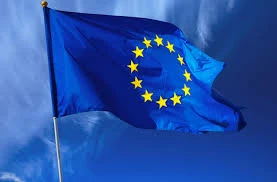
أعلن مجلس الاتحاد الأوروبي في قرار تاريخي، عن إعادة التفعيل الكامل لاتفاقية التعاون المبرمة مع الجمهورية العربية السورية، منهياً بذلك تعليقاً جزئياً استمر لأكثر من عقد من الزمن. ويأتي هذا القرار ليلغي الإجراءات التي تم فرضها في عام 2011، والتي جمدت جوانب حيوية من العلاقات التجارية والاقتصادية بين الطرفين، مما يفتح الباب أمام مرحلة جديدة من التعاملات قد تحمل في طياتها تداعيات اقتصادية وسياسية هامة لسوريا والمنطقة.
خلفية تاريخية: من الشراكة إلى العقوبات
تعود جذور العلاقة الرسمية بين الاتحاد الأوروبي وسوريا إلى اتفاقية التعاون الموقعة في عام 1977، والتي شكلت الإطار القانوني والتنظيمي للعلاقات الاقتصادية والتجارية. هدفت الاتفاقية إلى تعزيز التبادل التجاري ودعم التنمية الاقتصادية والاجتماعية في سوريا. إلا أن هذا المسار تغير بشكل جذري مع اندلاع الأزمة السورية في عام 2011. وكرد فعل على الأحداث، قرر مجلس الاتحاد الأوروبي تعليق أجزاء من الاتفاقية، وفرض حزمة من العقوبات الاقتصادية التي استهدفت قطاعات رئيسية. شمل التعليق قيوداً صارمة على استيراد النفط والمنتجات البترولية من سوريا، بالإضافة إلى حظر التعامل في الذهب والمعادن الثمينة والألماس، بهدف ممارسة ضغط سياسي واقتصادي على دمشق.
أبعاد القرار الجديد وتأثيراته المتوقعة
أوضح بيان المجلس الأوروبي أن “الظروف التي دفعت إلى تعليق الاتفاقية لم تعد قائمة”، وهو ما يبرر إلغاء قرار عام 2011 واستئناف العمل بالاتفاقية بشكلها الكامل. على الصعيد المحلي، يُتوقع أن يكون لهذا القرار تأثير إيجابي على الاقتصاد السوري المنهك بفعل سنوات الحرب والعقوبات. إن رفع القيود عن صادرات النفط والمعادن قد يوفر مصدراً حيوياً للعملة الصعبة، ويدعم جهود إعادة الإعمار، ويساهم في تحسين الأوضاع المعيشية للمواطنين. كما يمثل القرار خطوة رمزية هامة قد تكسر جزءاً من العزلة السياسية التي واجهتها سوريا.
إقليمياً ودولياً، تأتي هذه الخطوة الأوروبية في سياق متغير، حيث شهدت السنوات الأخيرة تحركات عربية لإعادة العلاقات مع دمشق، تجلت في عودة سوريا لشغل مقعدها في جامعة الدول العربية. قد يشجع القرار الأوروبي دولاً أخرى على مراجعة سياساتها تجاه سوريا، ولكنه في الوقت ذاته قد يبرز تبايناً في المواقف مع حلفاء، خاصة الولايات المتحدة التي تواصل فرض عقوبات مشددة بموجب “قانون قيصر”.
الترتيبات الإجرائية للمرحلة المقبلة
وفقاً للإجراءات المتبعة، ستقوم المفوضية الأوروبية بإبلاغ السلطات السورية رسمياً بقرار إنهاء التعليق الجزئي للاتفاقية. ومن المقرر أن تدخل الترتيبات الجديدة حيز التنفيذ الفعلي اعتباراً من اليوم الأول للشهر الذي يلي تاريخ الإخطار الرسمي، مما يمنح الطرفين فترة زمنية كافية للتحضير اللوجستي والإداري لاستئناف التعاون التجاري والاقتصادي الكامل بموجب بنود اتفاقية عام 1977.