
في خطوة تنظيمية تهدف إلى هيكلة أحد أهم القطاعات التراثية والاقتصادية في المملكة العربية السعودية، أعلنت وزارة البيئة والمياه والزراعة عن إطلاق مجموعة من الضوابط والاشتراطات الجديدة التي تنظم عمليات المتاجرة في الإبل، بما في ذلك البيع والشراء والتأجير والمقايضة. تأتي هذه الإجراءات بهدف رئيسي يتمثل في حفظ حقوق جميع الأطراف المتعاملة، وتعزيز مبادئ الرفق بالحيوان، وإضفاء الطابع الرسمي على هذا السوق الضخم.
خلفية تاريخية وأهمية ثقافية
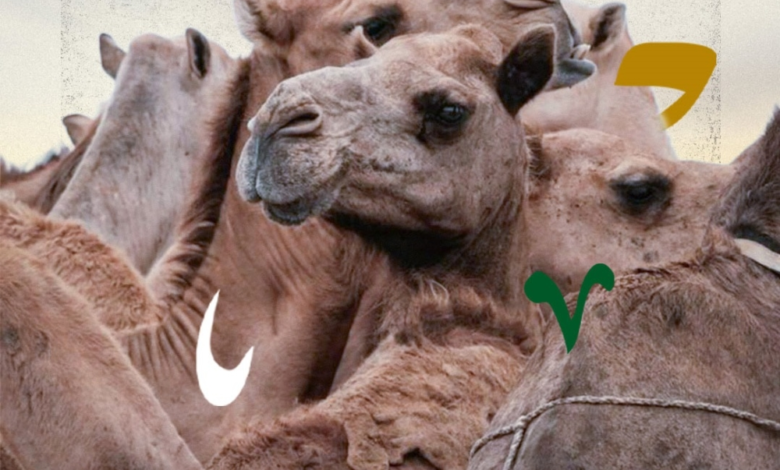
تحتل الإبل مكانة فريدة في تاريخ وثقافة شبه الجزيرة العربية والمملكة العربية السعودية على وجه الخصوص. فهي ليست مجرد ثروة حيوانية، بل رمز أصيل للتراث والبداوة، و”سفينة الصحراء” التي اعتمد عليها الأجداد في حياتهم وتنقلاتهم. وفي العصر الحديث، تطورت هذه الأهمية لتشمل جوانب اقتصادية واستثمارية هائلة، حيث تُقدر قيمة سوق الإبل بمليارات الريالات، مدعومة بمهرجانات عالمية كبرى مثل مهرجان الملك عبد العزيز للإبل، الذي يجذب استثمارات ضخمة ويعزز من قيمة السلالات النادرة التي قد تصل أسعارها إلى مئات الملايين من الريالات.
تفاصيل الضوابط الجديدة: نحو سوق رقمي شفاف
أوضحت الوزارة أن التنظيمات الجديدة تسري على كافة الأفراد والكيانات المتعاملة في قطاع الإبل. وتتضمن الإجراءات مجموعة من البنود الصارمة لضمان الشفافية والوضوح:
- التوثيق الإلكتروني الإلزامي: يجب توثيق جميع عقود البيع والإيجار والمقايضة إلكترونياً عبر المنصة المعتمدة لدى الوزارة، مما ينهي عصر الاتفاقيات الشفهية ويمنع النزاعات المستقبلية.
- دقة البيانات: تشترط العقود تحديد مواصفات الإبل بدقة تامة، تشمل النوع، السلالة، الرقم التسلسلي للشريحة الإلكترونية، والحالة الصحية، لضمان معرفة المشتري الكاملة بما سيحصل عليه.
- التزامات البائع والمشتري: ألزمت الضوابط البائع بتسليم الإبل خالية من الأمراض ومستوفية للتحصينات اللازمة، مع ضمان عدم وجود أي نزاع على ملكيتها. في المقابل، يتحمل المشتري نفقات التسلم وتحديث بيانات الشريحة الإلكترونية بعد إتمام نقل الملكية.
الرفق بالحيوان أولوية قصوى
أفردت اللائحة مساحة واسعة لضمان الرفق بالإبل، حيث حظرت بشكل قاطع عرض أو بيع أي إبل تظهر عليها علامات الإجهاد أو المرض. كما منعت الممارسات التي تسبب لها الإزعاج أو الأذى، مثل الصخب ورفع الأصوات، مع إتاحة منصات مخصصة للإبلاغ الفوري عن أي ممارسات تنطوي على قسوة أو تعذيب. هذه الإجراءات تعكس التزام المملكة بالمعايير العالمية للرفق بالحيوان.
العقوبات والغرامات: لا تهاون مع المخالفين
لضمان الالتزام الكامل، حذرت الوزارة من أن تقديم بيانات غير صحيحة، أو نقل الإبل دون تصريح، أو أي مخالفة أخرى للضوابط، سيعرّض أصحابها لعقوبات صارمة. تشمل هذه العقوبات تعليق سجلات المالك ومنعه من إجراء أي معاملات، بالإضافة إلى تطبيق غرامات مالية مشددة وفقاً لنظام الزراعة. تهدف هذه الإجراءات الرادعة إلى ضمان استدامة الأمن الحيوي في القطاع وحماية الثروة الحيوانية من الممارسات الخاطئة.
الأثر المتوقع: تنظيم يواكب رؤية 2030
يُتوقع أن تُحدث هذه التنظيمات نقلة نوعية في سوق الإبل، حيث ستساهم في زيادة الثقة بين المتعاملين والمستثمرين، وتحد من عمليات الغش والتدليس. كما أن التحول الرقمي في توثيق الملكيات يتماشى مع أهداف رؤية المملكة 2030 في التحول الرقمي وتطوير القطاعات غير النفطية. على الصعيد الصحي، سيسهل نظام التتبع الإلكتروني السيطرة على الأمراض ومنع انتشارها، مما يعزز الأمن الحيوي الوطني ويحمي الصحة العامة.