
مقتل 30 شخصاً في هجوم مسلح جديد شمال غرب نيجيريا
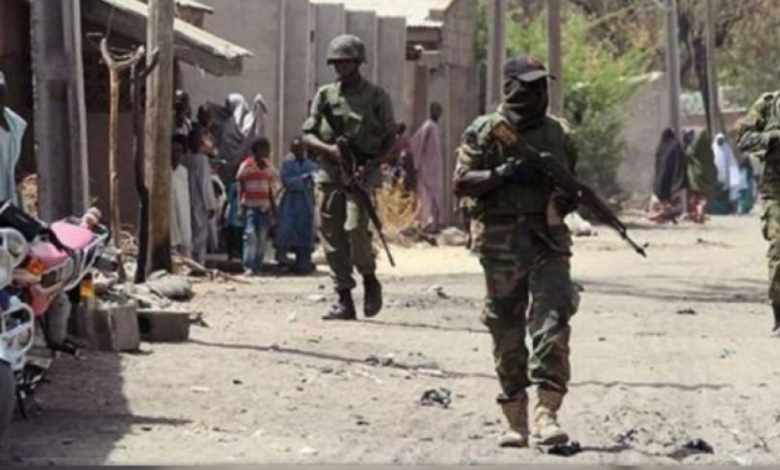
في حلقة جديدة من مسلسل العنف الذي يضرب شمال غرب نيجيريا، أفاد تقرير أمني صادر عن الأمم المتحدة بأن مسلحين قتلوا 30 شخصاً مساء الأحد في ولاية زامفارا. وقع الهجوم الدامي عند تقاطع ماغامي-دانساو، حيث نصب المهاجمون كميناً للمسافرين، مما أسفر عن مقتل العشرات بينهم مدنيون، وإصابة آخرين. وأشار التقرير إلى أن قوات الأمن النيجيرية اشتبكت مع المهاجمين عقب الهجوم، وتمكنت من قتل عدد منهم، في محاولة لاحتواء الموقف واستعادة السيطرة على المنطقة التي شهدت حوادث مماثلة في السابق، بما في ذلك عملية خطف وقتل على الطريق نفسه في 25 أبريل الماضي.
خلفية الصراع: من نزاع على الموارد إلى إجرام منظم
تُعد ولاية زامفارا والمناطق المجاورة لها في شمال غرب نيجيريا بؤرة لتوترات أمنية معقدة ومتجذرة. تعود جذور العنف في الأساس إلى عقود من النزاعات بين الرعاة الرحل، وأغلبهم من عرقية الفولاني، والمزارعين المستقرين. وقد تفاقم هذا الصراع التقليدي على الأراضي ومصادر المياه بسبب التغيرات المناخية التي أدت إلى التصحر والجفاف، بالإضافة إلى النمو السكاني السريع، مما زاد من حدة التنافس على الموارد المحدودة. هذا الوضع خلق بيئة خصبة لظهور عصابات إجرامية منظمة، يُطلق عليها محلياً اسم “قطاع الطرق” (Bandits)، حولت النزاع إلى نشاط اقتصادي قائم على العنف. تتخصص هذه الجماعات في سرقة الماشية على نطاق واسع، وشن هجمات على القرى لنهب الممتلكات، والأخطر من ذلك، عمليات الخطف الجماعي مقابل فدية، والتي استهدفت بشكل متكرر المدارس والمسافرين على الطرق الرئيسية.
الأهمية والتأثيرات المحلية والإقليمية
يمثل هذا الهجوم الأخير تذكيراً صارخاً بفشل الجهود الحكومية في السيطرة على الوضع الأمني المتدهور. على الصعيد المحلي، أدت هذه الهجمات المستمرة إلى أزمة إنسانية حادة، حيث نزح مئات الآلاف من الأشخاص عن ديارهم، وتوقفت الأنشطة الزراعية والتجارية في العديد من المناطق، مما يهدد الأمن الغذائي ويزيد من معدلات الفقر. أما على الصعيد الإقليمي، فتثير الأزمة قلقاً متزايداً بشأن استقرار منطقة الساحل بأكملها. فالحدود النيجيرية التي يسهل اختراقها مع دول مثل النيجر وبنين، تتيح لهذه العصابات حرية الحركة وتجارة الأسلحة. والأخطر من ذلك هو تزايد الأدلة على وجود تعاون وتنسيق بين هذه العصابات الإجرامية والجماعات الجهادية المتطرفة، مثل “بوكو حرام” وتنظيم “داعش في ولاية غرب إفريقيا” (ISWAP)، التي تنشط في شمال شرق البلاد منذ أكثر من عقد. هذا التحالف يهدد بدمج الإجرام المدفوع بالربح المادي مع التمرد الإيديولوجي، مما يخلق تحدياً أمنياً أكثر تعقيداً وخطورة يهدد استقرار أكبر دولة في إفريقيا من حيث عدد السكان.