Planting 3,000 roses in Al-Sarar to improve the urban landscape and quality of life

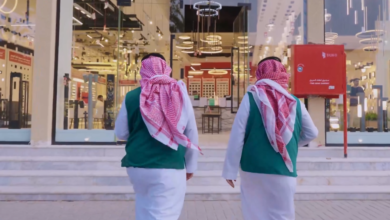
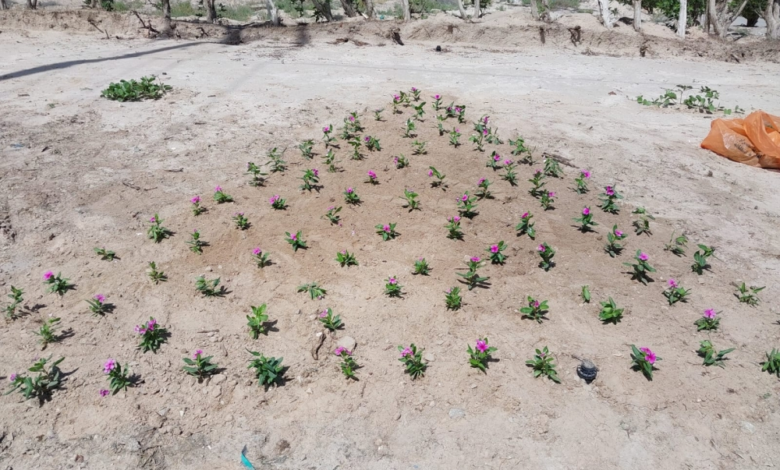
In a move aimed at beautifying the urban landscape and enhancing quality of life, Al-Sarar Municipality implemented a large-scale environmental initiative, planting over 3,000 colorful seasonal roses in several main streets, squares, and public parks. This initiative is part of a series of ongoing efforts by the municipality to increase green spaces and improve the urban environment, in line with modern trends in sustainable development.
An initiative that aligns with Vision 2030
The Mayor of Al-Sarar, Mr. Abdulrahman Al-Dosari, explained that this initiative is not merely a beautification project, but rather an integral part of the municipality's ongoing afforestation and urban beautification programs. Mr. Al-Dosari emphasized that these efforts align directly with the objectives of the Kingdom's Vision 2030 and the Quality of Life Program, which prioritizes improving the quality of life for citizens and residents. Furthermore, it represents a practical, local application of the ambitious goals of the Saudi Green Initiative, which aims to combat desertification and increase vegetation cover throughout the Kingdom.
Environmental and social importance of green spaces
Green spaces and the planting of flowers and trees have dimensions that extend beyond aesthetics, playing a vital role in improving the local climate. Plants contribute to moderating the atmosphere and lowering temperatures, especially in urban areas suffering from the "island heat" phenomenon, and they also purify the air of pollutants and dust. On a social and psychological level, studies have shown that the presence of green spaces enhances the mental health of residents, reduces stress levels, and provides a natural haven for families and individuals, encouraging social interaction and healthy outdoor activities.
Community partnership towards sustainability
Al-Dossari indicated that Al-Sarar Municipality is committed to implementing more similar projects in the coming period, with the aim of supporting environmental sustainability and achieving balanced urban development. In this context, he emphasized the importance of community partnership, calling on all members of society to actively contribute to preserving these environmental gains. He added that residents' awareness and cooperation in maintaining green spaces and public parks is the fundamental guarantee for the sustainability of these efforts and for achieving a more beautiful and healthy urban environment for current and future generations.