
مع اقتراب ذروة موسم السفر الصيفي، يجد قطاع الطيران الأوروبي نفسه أمام تحدٍ كبير يتمثل في احتمال نقص وقود الطائرات وارتفاع أسعاره بشكل حاد. وفي هذا السياق، يدرس الاتحاد الأوروبي بجدية خيارات طارئة لتأمين إمداداته، ومن بين أبرز هذه الخيارات استيراد الكيروسين من الولايات المتحدة، وهو حل لا يخلو من التعقيدات الفنية والتنظيمية.
خلفية الأزمة: اضطرابات عالمية تلقي بظلالها على أوروبا
تعود جذور الأزمة الحالية إلى سلسلة من الاضطرابات التي هزت أسواق الطاقة العالمية. فمنذ بدء الحرب في أوكرانيا عام 2022، فرض الاتحاد الأوروبي عقوبات واسعة على روسيا، التي كانت مورداً رئيسياً للمنتجات النفطية المكررة إلى القارة. هذا الأمر أجبر أوروبا على البحث عن مصادر بديلة، مما زاد من تكاليف النقل والخدمات اللوجستية. ومؤخراً، أدت التوترات في منطقة الشرق الأوسط، وتحديداً الهجمات في البحر الأحمر، إلى تحويل مسار ناقلات النفط والوقود القادمة من آسيا والخليج العربي لتدور حول أفريقيا عبر رأس الرجاء الصالح، وهو مسار أطول وأكثر تكلفة بكثير، مما أثر بشكل مباشر على أسعار وقود الطائرات الذي كان يمر حوالي 20% منه عبر مضيق هرمز قبل هذه الاضطرابات.
الكيروسين الأمريكي: حل مؤقت بمواصفات مختلفة
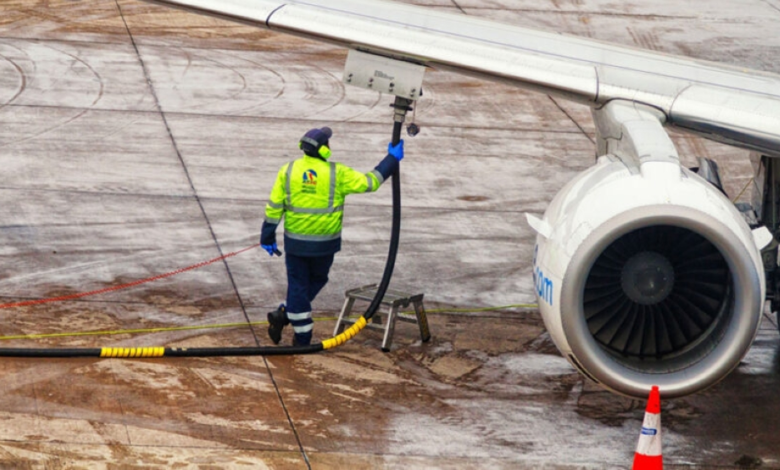
طرحت المفوضية الأوروبية فكرة السماح باستخدام وقود الطائرات الأمريكي المعروف باسم “جيت إيه” (Jet A) كإجراء احتياطي. لكن هذا الوقود غير معتمد حالياً في أوروبا لأسباب فنية جوهرية، حيث تستخدم القارة وقود “جيت إيه-1” (Jet A-1). يكمن الاختلاف الرئيسي في نقطة التجمد؛ فالوقود الأوروبي يتجمد عند -47 درجة مئوية، بينما يتجمد نظيره الأمريكي عند -40 درجة مئوية. هذا الفارق قد يبدو بسيطاً، لكنه حاسم في رحلات الطيران الطويلة على ارتفاعات شاهقة، خاصة عبر المناطق القطبية، حيث يمكن أن تصل درجات الحرارة إلى مستويات شديدة الانخفاض، مما يشكل خطراً على سلامة محركات الطائرات. ولذلك، فإن السماح باستخدامه يتطلب موافقة فنية من وكالة سلامة الطيران الأوروبية (EASA) وتعديلات لوجستية قد تستغرق وقتاً.
التأثيرات المتوقعة والإجراءات الأوروبية
تؤكد بروكسل مراراً أنه لا يوجد نقص مادي في إمدادات وقود الطائرات حالياً، وأن المشكلة تكمن في ارتفاع التكاليف. ومع ذلك، فإن استمرار الأزمة يهدد بإلغاء رحلات جوية، خاصة من قبل شركات الطيران منخفضة التكلفة التي تعمل بهوامش ربح ضئيلة، مما قد يؤثر سلباً على قطاع السياحة الذي يعتمد عليه اقتصاد العديد من الدول الأوروبية. ولمواجهة هذا الخطر، أعلنت المفوضية عن إنشاء “مرصد للوقود” لمراقبة الإنتاج والواردات والمخزونات بشكل دقيق. كما تدرس تدابير لتخفيف العبء عن شركات الطيران، مثل زيادة المرونة في جداول الإقلاع والهبوط، وتخفيف القواعد المتعلقة بـ”التزود المفرط بالوقود” (Tankering)، وهي ممارسة تملأ فيها الطائرات خزاناتها بالوقود في المطارات الأرخص ثمناً لتجنب التزود به في وجهاتها الأعلى تكلفة.
نحو سيادة أوروبية في مجال الطاقة
على الرغم من أن استيراد الكيروسين الأمريكي قد يكون حلاً مؤقتاً لا مفر منه، إلا أن هذه الأزمة سلطت الضوء مجدداً على ضرورة تسريع التحول نحو استقلالية أكبر في مجال الطاقة. ويرى خبراء مثل ماتيو ميرولو، المختص في النقل الجوي، أن هذه الأزمة يجب أن تكون حافزاً للدول الأوروبية للاستثمار بكثافة في بدائل مستدامة، وعلى رأسها وقود الطيران المستدام (SAFs) غير الأحفوري. فالهدف ليس فقط مواجهة التحديات المناخية، بل تحقيق “سيادة في مجال الطاقة” تحمي قطاع الطيران والاقتصاد الأوروبي من تقلبات الأسواق العالمية والتوترات الجيوسياسية في المستقبل.