
موقف حازم من جامعة الدول العربية تجاه التدخلات الإيرانية
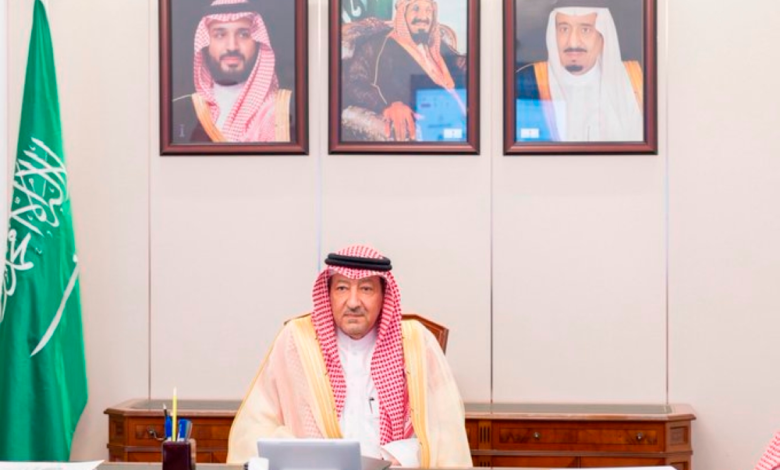
في خطوة تعكس الإجماع العربي على حماية الأمن القومي، ترأس معالي نائب وزير الخارجية المهندس وليد بن عبدالكريم الخريجي، نيابةً عن صاحب السمو الأمير فيصل بن فرحان بن عبدالله وزير الخارجية السعودي، وفد المملكة العربية السعودية في اجتماع الدورة العادية رقم (165) لمجلس جامعة الدول العربية على المستوى الوزاري، والذي عُقد عبر تقنية الاتصال المرئي. وقد تمخض هذا الاجتماع عن قرارات حاسمة ومواقف صارمة تجاه التحديات الأمنية التي تواجه المنطقة.
السياق العام والخلفية التاريخية للحدث
تأتي هذه الدورة في ظل ظروف إقليمية بالغة التعقيد، حيث عانت العديد من الدول العربية على مدار السنوات الماضية من تداعيات التدخلات الخارجية في شؤونها الداخلية. وتاريخياً، دأبت جامعة الدول العربية في بياناتها الختامية وقراراتها الدورية على رفض أي مساس بالسيادة العربية. وقد تصاعدت حدة التوترات نتيجة استمرار دعم وتشكيل الميليشيات المسلحة خارج إطار مؤسسات الدولة الرسمية في عدة دول عربية، مما أدى إلى زعزعة الاستقرار وتهديد السلم الأهلي. كما أن استهداف البنية التحتية المدنية والمناطق السكنية بالطائرات المسيرة والصواريخ الباليستية شكل منعطفاً خطيراً استوجب رداً عربياً ودولياً موحداً يستند إلى مواثيق الأمم المتحدة والقانون الدولي.
إدانة الاعتداءات وتأكيد حق الدفاع الشرعي
أصدر مجلس جامعة الدول العربية إعلاناً صريحاً بشأن “الاعتداءات الإيرانية الآثمة على أمن وسيادة عدد من الدول العربية”. وجدد المجلس إدانته الشديدة لهذه الهجمات التي استهدفت بشكل مباشر البنية التحتية الحيوية والمناطق السكنية الآمنة في الدول العربية الشقيقة. وفي هذا السياق، شدد المجلس على حق الدول العربية المستهدفة الأصيل في الدفاع عن نفسها وحماية أراضيها ومواطنيها، وذلك استناداً إلى المادة (51) من ميثاق الأمم المتحدة التي تكفل حق الدفاع الشرعي الفردي والجماعي للدول.
وأعرب المجلس الوزاري عن تأييده المطلق لكافة الجهود والإجراءات التي تتخذها الدول المتضررة لحماية أمنها، مؤكداً أن هذه الاعتداءات الغاشمة تمثل انتهاكاً صارخاً للقوانين الدولية، ولا يمكن تبريرها أو تمريرها تحت أي ذريعة أو حجة سياسية أو أمنية.
أهمية الحدث وتأثيره الإقليمي والدولي
يحمل هذا الموقف العربي دلالات وتأثيرات واسعة النطاق على مختلف الأصعدة:
- على الصعيد الإقليمي: يعزز هذا الإعلان من التضامن العربي المشترك في مواجهة التهديدات الخارجية، ويبعث برسالة واضحة مفادها أن الأمن القومي العربي كلٌ لا يتجزأ، وأن المساس بأمن أي دولة عربية هو مساس بأمن المنطقة بأسرها.
- على الصعيد الدولي: يكتسب القرار أهمية بالغة لكونه يمس عصب الاقتصاد العالمي وحركة التجارة. فقد حث المجلس إيران على سرعة تنفيذ قرار مجلس الأمن الدولي رقم 2817، والذي يطالب بالوقف الفوري للعدوان. كما أدان الإجراءات الإيرانية التي تهدد الملاحة الدولية، سواء بمحاولات إغلاق مضيق هرمز أو تهديد حرية الملاحة في مضيق باب المندب والمياه الدولية، وهي ممرات مائية استراتيجية يمر عبرها جزء كبير من إمدادات الطاقة والتجارة العالمية.
مطالبات بالتعويض ووقف تسليح الميليشيات
لم يقتصر موقف جامعة الدول العربية على الإدانة السياسية، بل امتد ليشمل مطالبات قانونية وحقوقية واضحة. فقد رحب المجلس باعتماد قرار مجلس حقوق الإنسان التابع للأمم المتحدة المتعلق بالآثار السلبية للهجمات غير المبررة التي شنتها إيران على حقوق الإنسان في الدول العربية. وطالب المجلس إيران بتقديم تعويضات كاملة، فعالة، وفورية لجميع الضحايا عن الأضرار والخسائر المادية والبشرية التي لحقت بهم.
علاوة على ذلك، أعلن المجلس رفضه القاطع لاستمرار تمويل وتسليح وتحريك الميليشيات التابعة لإيران في عدة دول عربية، معتبراً ذلك تدخلاً سافراً يعيق جهود التنمية والاستقرار. وفي سياق متصل، رحب المجلس بقرار الحكومة اللبنانية الرامي إلى حصر السلاح بيد الدولة ومؤسساتها الشرعية، مما يعكس دعماً عربياً لسيادة الدول على أراضيها وقرارها المستقل.
وقد شهد هذا الاجتماع الهام حضور شخصيات دبلوماسية بارزة، من ضمنهم وكيل الوزارة للشؤون الدولية المتعددة الدكتور عبدالرحمن الرسي، ومدير إدارة الجامعة العربية الأستاذ عماد إلياس، مما يؤكد على مستوى التمثيل العالي والاهتمام البالغ الذي توليه الدول الأعضاء لمقررات هذه الدورة.