Abdulaziz Al-Malik revives Al-Shabab's brilliance in the Roshan League: Details of the comeback

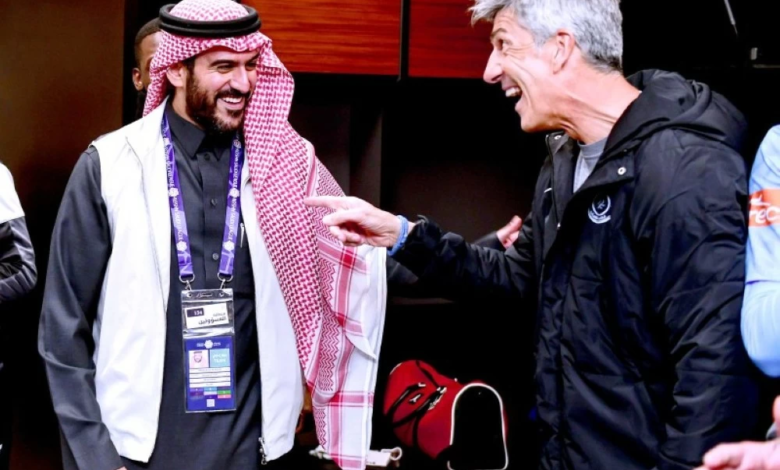
The corridors of Al-Shabab Saudi Club have witnessed a radical transformation and a remarkable technical and administrative revival since Abdulaziz Al-Malik took over the reins and assumed the presidency of the "Sheikh of Clubs," in a move that critics and analysts considered a lifeline that rescued the first football team from the spiral of negative results during a very critical stage of the Saudi Professional League competitions.
Figures reflect the scale of change
The return to form wasn't just a promise; it was translated into tangible results. In a short period of just 60 days, the youth team managed to secure 8 valuable points out of a possible 16, an excellent points tally compared to the period before. This achievement enabled "The Lions" to jump to 13th place in the standings, moving step by step away from the relegation zone that had instilled anxiety and fear in the hearts of the passionate youth fans throughout the early rounds of the season.
Administrative and technical stability
Abdulaziz Al-Malik's influence wasn't limited to the psychological aspect; it represented a comprehensive turning point that reinstated discipline and professionalism within the youth system. The effects of this stability were quickly evident in the players' performance on the pitch, as the team rediscovered its familiar playing style. Recent matches have been characterized by high tactical organization, a fighting spirit that had been absent for some time, and a clear ability to manage difficult matches against direct opponents, thus creating a much-needed balance between defense and attack.
Quality deals saved the situation
Alongside the tireless technical work, the winter transfer window played a pivotal role in this resurgence. The owner and his team secured deals described as "smart and successful," focusing on quality rather than quantity, and addressing the clear technical weaknesses the team suffered in the first half of the season. These additions provided the coaching staff with squad depth and broader tactical options, as well as creating a positive competitive environment between the starting players and substitutes, thus raising the overall quality of the team's performance.
Historical context and the importance of the return of youth
This return is particularly significant given Al-Shabab's historical stature as one of the four major clubs in Saudi football. Al-Shabab's absence from contention or its involvement in relegation battles not only affects the club but also disrupts the balance of power in the Saudi league, which is currently experiencing an unprecedented global boom and attracting the world's brightest stars. Therefore, Al-Shabab's resurgence under the new owner is a boon for the league as a whole, ensuring the continuation of the excitement and high level of competitiveness that has characterized the Roshan League this season.
In conclusion, this integrated work between the administration and the technical staff has put Al Shabab Club on the path to safety, with a clear goal of finishing the season in a comfortable position befitting the club’s history, so that this season will serve as the foundation for the return of “Al Laith” to fierce competition for titles in the coming seasons.