Makkah's security forces raise their readiness to ensure the quality of sacrificial animals during the Hajj season

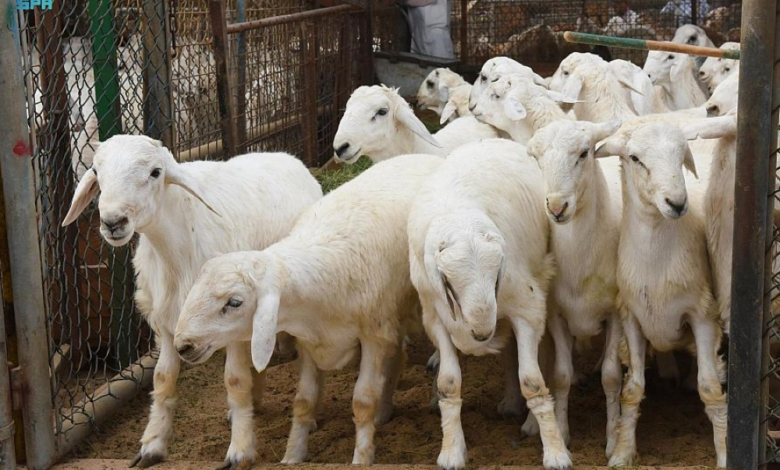
As part of the intensive preparations for the 1447 AH Hajj season, the Makkah branch of the National Center for Plant Pest and Animal Disease Prevention and Control (Wiqa’) held a vital coordination meeting with suppliers of the “Kingdom of Saudi Arabia’s Project for the Utilization of Hajj Sacrifices.” This meeting aimed to maximize preparedness and ensure the highest standards of biosecurity and safety for the sacrificial animals offered to the pilgrims.
Historical context and importance of biosecurity in Hajj
The Hajj pilgrimage is the world's largest annual religious gathering, with millions of Muslims from all corners of the globe converging on Mecca to perform the fifth pillar of Islam. The sacrifice of an animal is an essential part of the Hajj rituals, creating a formidable logistical and health challenge that requires meticulous management. In response, the Kingdom's Project for the Utilization of Hajj Sacrifices was launched in 1983, managed by the Islamic Development Bank, with the aim of facilitating the pilgrims' performance of their rituals, ensuring compliance with Sharia and health regulations regarding the sacrifices, and distributing the meat to the poor and needy both within the Kingdom and around the world.
Details of the coordination efforts of the “Wiqa” Center
The meeting, chaired by Dr. Ghaleb Al-Saadi, Director General of the Makkah branch of the “Wiqaa” Center, explored ways to align joint efforts and unify implementation strategies between the center and suppliers. The center's operational plan for the season was reviewed, with a focus on enhancing field coordination and oversight in the Holy City. The center also presented a set of approved health requirements for livestock pens and animals, outlining the mechanisms for strict adherence to these requirements to ensure the safety and quality of sacrificial animals from arrival until distribution to beneficiaries. Participants discussed strategies to strengthen biosecurity measures and improve health preparedness for managing large influxes of livestock, in accordance with international and national standards for prevention and control.
Local and international impact of safety measures
The importance of these measures extends beyond the local level to encompass global public health. Ensuring that sacrificial animals are free from zoonotic diseases that can be transmitted to humans represents a first line of defense against any outbreaks that might spread globally as pilgrims return to their countries. Locally, these efforts contribute to providing a healthy and safe environment for millions of pilgrims, citizens, and residents, and enhance confidence in the comprehensive national system for serving the guests of God. Dr. Al-Saidi emphasized that this integrated work with livestock suppliers is a fundamental pillar for protecting livestock and ensuring product safety, thus effectively contributing to achieving the Kingdom's goals of providing high-quality services befitting the sanctity of the place and time.
This move comes as part of a series of intensive meetings and monitoring tours carried out by the “Wiqa” Center, with the aim of applying the highest standards of prevention and field control, and emphasizing the continuation of strict monitoring to ensure that all suppliers comply with the technical requirements that guarantee the safety of sacrificial animals from the origin until they reach the end beneficiary.