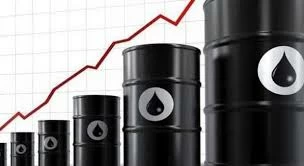

في خطوة استباقية تعكس حجم القلق العالمي من التوترات الجيوسياسية في الشرق الأوسط، أجرت الحكومة الأسترالية تحليلاً ضمن موازنتها السنوية لاختبار قدرة اقتصادها على الصمود في وجه سيناريو متطرف، يتمثل في وصول أسعار النفط إلى 200 دولار للبرميل. يأتي هذا الاختبار الافتراضي في ظل مخاوف من تصعيد صراع واسع النطاق في المنطقة قد يشمل إيران، مما يهدد بإغلاق ممرات الطاقة الحيوية وتعطيل إمدادات النفط العالمية.
تفاصيل السيناريو الأسترالي وتأثيراته المتوقعة
وفقاً لوكالة بلومبيرغ، فإن وزارة الخزانة الأسترالية بنت هذا النموذج على فرضية نشوب صراع طويل الأمد يؤدي إلى أضرار جسيمة في البنية التحتية للطاقة في الشرق الأوسط، ويتسبب في توقف شبه كامل لصادرات النفط عبر الممرات الملاحية الرئيسية مثل مضيق هرمز والبحر الأحمر. وحذرت مسودة الموازنة من أن تسجيل أسعار النفط لهذا المستوى القياسي سيدفع الاقتصاد الأسترالي حتماً نحو الانكماش خلال فترة وجيزة. وتشير التوقعات إلى أن معدل التضخم المحلي سيقفز إلى 7.25% بحلول الربع الأخير من العام، مصحوباً بارتفاع ملحوظ في معدلات البطالة، مما يضع ضغوطاً هائلة على الأسر والشركات على حد سواء.
السياق التاريخي: عندما يهتز العالم لأجل النفط
إن مخاوف أستراليا ليست وليدة اللحظة، بل ترتكز على وقائع تاريخية أثبتت أن أسواق الطاقة هي الأكثر حساسية للصراعات في الشرق الأوسط. فمنذ أزمة النفط عام 1973 التي أعقبت حرب أكتوبر، مروراً بتأثيرات الثورة الإيرانية والحرب العراقية الإيرانية في الثمانينيات، وصولاً إلى حرب الخليج في 1990، كان كل تصعيد عسكري في المنطقة يؤدي إلى صدمات سعرية عنيفة تهز الاقتصاد العالمي. ويعتبر مضيق هرمز، الذي يمر عبره حوالي خُمس استهلاك النفط العالمي، نقطة الاختناق الأكثر أهمية، وأي تهديد لإغلاقه يُترجم فوراً إلى قفزة في الأسعار.
الأهمية والتأثيرات المحتملة على الصعيدين الإقليمي والدولي
تداعيات وصول النفط إلى 200 دولار لن تقتصر على أستراليا. فعلى الصعيد العالمي، سيؤدي هذا الارتفاع إلى ركود اقتصادي عالمي حاد. ستواجه الدول المستوردة للنفط، خاصة في أوروبا وآسيا، أزمة طاقة وتضخماً جامحاً، بينما ستعاني الدول النامية من صعوبات بالغة في تحمل تكاليف الطاقة، مما قد يؤدي إلى اضطرابات اجتماعية. أما على الصعيد الإقليمي، فإن الاقتصادات الكبرى في آسيا، والتي تعد الشريك التجاري الأبرز لأستراليا (مثل الصين واليابان وكوريا الجنوبية)، ستتضرر بشدة، مما سيقلل من الطلب على الصادرات الأسترالية من المواد الخام الأخرى، ويعمق من الأزمة الاقتصادية المحلية في كانبرا.
وفي تصريحات للصحفيين، أكد وزير الخزانة الأسترالي، جيم تشالمرز، أن “تداعيات الحرب في الشرق الأوسط خطيرة بالفعل”، مضيفاً أن “هناك خطورة حقيقية في أن تصبح الأمور أكثر حدة”. وأوضح أن حكومته تظل رهينة للتطورات العالمية، وأن هذا التحليل يهدف إلى فهم المخاطر المحتملة والاستعداد لها بشكل أفضل، مشدداً على أن هذه السيناريوهات ليست تنبؤات، بل هي اختبارات ضغط ضرورية في عالم يزداد اضطراباً.