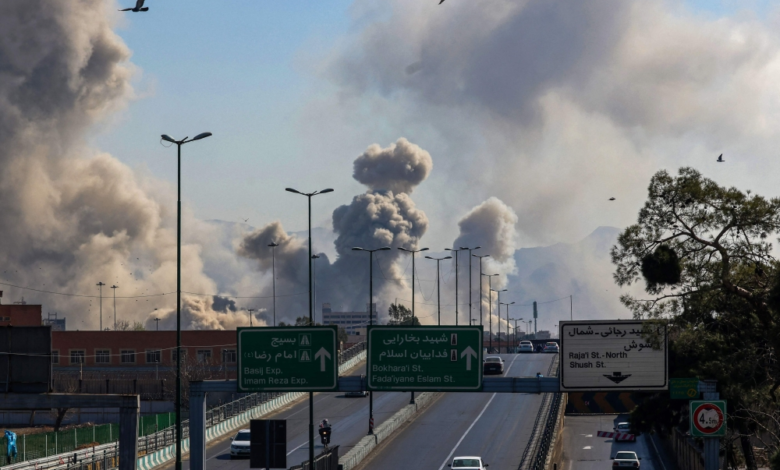

كشف مسؤول رفيع المستوى في وزارة الدفاع الأمريكية (البنتاجون) عن تحديث جديد لتقديرات تكلفة أي مواجهة عسكرية محتملة مع إيران، مؤكداً أن الرقم ارتفع ليصل إلى 29 مليار دولار. ويمثل هذا الرقم زيادة قدرها 4 مليارات دولار عن التقديرات التي أُعلنت في أواخر الشهر الماضي، مما يعكس تصاعد التوترات وتعقيد التخطيط العسكري لمثل هذا السيناريو، وفقاً لما نقلته وكالة “رويترز”.
خلفية التوترات والمفاوضات النووية
تأتي هذه التطورات في سياق حالة من الجمود تخيم على المفاوضات الهادفة لإحياء الاتفاق النووي لعام 2015، المعروف رسمياً باسم “خطة العمل الشاملة المشتركة” (JCPOA). كان هذا الاتفاق يهدف إلى تقييد برنامج إيران النووي مقابل رفع العقوبات الاقتصادية الدولية المفروضة عليها. إلا أن انسحاب الولايات المتحدة من الاتفاق من جانب واحد في عام 2018، وإعادة فرضها عقوبات مشددة، دفع طهران إلى التراجع تدريجياً عن التزاماتها، بما في ذلك زيادة مستويات تخصيب اليورانيوم إلى درجات تقربها من القدرة على إنتاج أسلحة نووية.
تفاصيل الرد الإيراني والثغرات القائمة
أفادت مصادر مطلعة لصحيفة “وول ستريت جورنال” بأن الرد الإيراني الأخير على المقترحات الغربية لا يزال غير كافٍ لمعالجة المخاوف الأمريكية والأوروبية بشكل كامل. ورغم أن طهران أبدت استعدادها لخفض نسبة اليورانيوم عالي التخصيب وتعليق عمليات التخصيب لفترة زمنية محددة، إلا أنها رفضت بشكل قاطع تفكيك منشآتها النووية الأساسية، وهو ما تعتبره واشنطن شرطاً أساسياً لضمان عدم قدرة إيران على استئناف برنامجها العسكري بسرعة. كما ترك الرد الإيراني “ثغرات” لم تحل مصير البرنامج النووي على المدى الطويل، مما أبقى على حالة عدم اليقين.
الأهمية الاستراتيجية والتداعيات المحتملة
تتجاوز تداعيات هذا الصراع المحتمل الحدود الإيرانية والأمريكية لتشمل المنطقة والعالم بأسره. إن أي مواجهة عسكرية ستؤثر بشكل مباشر على استقرار منطقة الخليج العربي، التي تعد شرياناً حيوياً للطاقة العالمية. وقد هددت إيران مراراً بإغلاق مضيق هرمز، الذي يمر عبره ما يقرب من خُمس استهلاك النفط العالمي، وهو ما قد يؤدي إلى ارتفاع هائل في أسعار الطاقة ودخول الاقتصاد العالمي في أزمة عميقة. على الصعيد الإقليمي، يمكن أن يشعل الصراع فتيل حرب أوسع تشمل حلفاء الولايات المتحدة في المنطقة ووُكلاء إيران، مما يهدد بزعزعة استقرار الشرق الأوسط لعقود قادمة. لذا، فإن التكلفة المالية التي كشف عنها البنتاجون لا تمثل سوى جزء بسيط من التكلفة الحقيقية لمثل هذه الحرب على الصعيدين الإنساني والاستراتيجي.