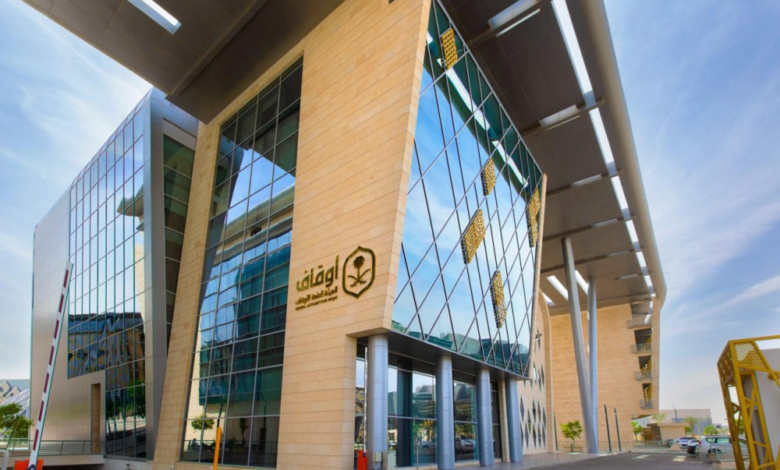

قرار حاسم لحماية الأصول الوقفية
أصدرت الهيئة العامة للأوقاف في المملكة العربية السعودية توضيحاً حاسماً يهدف إلى حماية قطاع الأوقاف وتعزيز استدامته، حيث أكدت بشكل قاطع عدم جواز الحجز على الأصول الموقوفة أو تسييلها لاستيفاء سداد ديون “الواقف”. ويأتي هذا القرار مستنداً إلى القاعدة الشرعية والنظامية الراسخة التي تنص على أن الأصل الموقوف يخرج تماماً من ذمة الواقف المالية وملكيته بمجرد إنشائه وتوثيقه كوقف، ليصبح كياناً مستقلاً مخصصاً بالكامل لتحقيق الأهداف والمصارف الخيرية أو الأهلية التي نُص عليها في حجة الوقف.
السياق العام والخلفية التاريخية للأوقاف في المملكة
يحظى الوقف بمكانة عظيمة في الشريعة الإسلامية باعتباره أحد أهم روافد التكافل الاجتماعي والتنمية الاقتصادية المستدامة. وتاريخياً، أولت المملكة العربية السعودية منذ تأسيسها اهتماماً بالغاً بقطاع الأوقاف، حيث عملت على حمايته وتطوير تشريعاته لضمان بقاء الأعيان الموقوفة واستمرار ريعها. وفي العصر الحديث، تُوجت هذه الجهود بتأسيس “الهيئة العامة للأوقاف”، والتي أخذت على عاتقها تنظيم هذا القطاع الحيوي، وتطويره، وحمايته من أي تجاوزات قد تضر بالأصول الوقفية، معتمدة في ذلك على ضوابط شرعية ونظامية صارمة تضمن ديمومة العمل الخيري وتمنع التعدي عليه.
الحالات الاستثنائية والتدخل القضائي
رغم القاعدة العامة الصارمة التي تمنع الحجز على الأوقاف، كشفت الهيئة عن وجود حالات استثنائية في نطاق ضيق جداً قد تجيز التنفيذ المالي على الوقف أو ريعه. هذه الحالات لا تتم بشكل عشوائي، بل تخضع لتقدير قضائي بحت من قبل المحاكم المختصة. ويتطلب هذا الإجراء إثبات وجود مسوغ شرعي ونظامي قوي يتيح الحجز، مثل إثبات أن الوقف أُسس بنية الإضرار بالدائنين أو التهرب من سداد ديون سابقة لإنشاء الوقف. وأكدت الجهات التنظيمية أن التدخل القضائي في هذه الحالات النادرة يراعي دائماً تحقيق العدالة وحفظ حقوق كافة الأطراف المعنية في النزاع، مع التشديد على ضمان عدم الإخلال بمقاصد الوقف الأساسية أو التأثير السلبي على ديمومته الخيرية.
أهمية القرار وتأثيره المتوقع محلياً وإقليمياً
يحمل هذا التأكيد النظامي أهمية كبرى على عدة أصعدة. على الصعيد المحلي، يساهم القرار في تعزيز ثقة المجتمع ورجال الأعمال في المنظومة الوقفية، مما يشجع على ضخ المزيد من الأصول في قطاع الأوقاف دون تخوف من النزاعات المالية المستقبلية، وهو ما يتماشى بشكل مباشر مع مستهدفات رؤية السعودية 2030 في تعظيم أثر القطاع غير الربحي ورفع مساهمته في الناتج المحلي. أما على الصعيدين الإقليمي والدولي، فإن هذا الوضوح التشريعي يرسخ مكانة المملكة كنموذج رائد في حوكمة الأوقاف وإدارتها وفق أفضل الممارسات القانونية والشرعية، مما يقدم إطاراً مرجعياً موثوقاً يمكن للدول الإسلامية الأخرى الاستفادة منه في تطوير تشريعاتها الوقفية وحماية أصولها الخيرية من التبديد.