
مقدمة عن واقع الزراعة في اليمن والتحديات المناخية
تعتبر الزراعة في اليمن من أهم القطاعات الحيوية والاقتصادية التي يعتمد عليها ملايين السكان في توفير الغذاء ومصادر الدخل الأساسية. يمثل القطاع الزراعي نحو 15% من الناتج المحلي الإجمالي، ويشغل أكثر من نصف القوى العاملة في البلاد. ومع تزايد التحديات المناخية وتفاقم أزمة المياه، برزت أهمية إطلاق مبادرات أممية تدعم الزراعة اليمنية وتحد من الجفاف، بهدف إنقاذ هذا القطاع الاستراتيجي من الانهيار. في هذا السياق، تعمل الأمم المتحدة عبر وكالاتها المختلفة، مثل منظمة الأغذية والزراعة (الفاو) وبرنامج الأمم المتحدة الإنمائي، على تنفيذ مشاريع مستدامة تعزز من قدرة المزارعين على الصمود.
السياق العام والخلفية التاريخية للأزمة الزراعية
تاريخياً، عُرف اليمن بكونه بلداً زراعياً بامتياز، حيث اشتهر بمدرجاته الزراعية الجبلية الفريدة وزراعة محاصيل نقدية هامة مثل البن اليمني الذي اكتسب شهرة عالمية. ومع ذلك، تعرض القطاع الزراعي خلال السنوات الأخيرة لضربات موجعة نتيجة النزاع المستمر منذ عام 2014، والذي أدى إلى تدمير البنية التحتية الزراعية وتعطيل سلاسل الإمداد. يضاف إلى ذلك التغير المناخي الذي تسبب في موجات جفاف قاسية وتصحر متسارع. يُذكر أن نصيب الفرد من المياه في اليمن يعتبر من أدنى المعدلات عالمياً، حيث يقدر بأقل من 120 متراً مكعباً سنوياً، مقارنة بالمتوسط العالمي الذي يتجاوز 7000 متر مكعب. هذه العوامل مجتمعة أدت إلى تراجع الإنتاج الزراعي بشكل حاد، مما فاقم من أزمة انعدام الأمن الغذائي التي تهدد ملايين اليمنيين.
أبرز المبادرات الأممية لدعم القطاع الزراعي ومواجهة الجفاف
استجابة لهذه الأزمة الإنسانية والبيئية غير المسبوقة، أطلقت الأمم المتحدة سلسلة من المبادرات والمشاريع الطارئة والتنموية لدعم الزراعة في اليمن. تركز هذه المبادرات على عدة محاور رئيسية، من أبرزها:
- إدخال تقنيات الري الحديثة التي تقلل من استنزاف المياه الجوفية وتحافظ على الموارد المائية.
- تزويد المزارعين بأنظمة ضخ المياه بالطاقة الشمسية كبديل مستدام وموفر للطاقة في ظل أزمة انقطاع الوقود المستمرة.
- توزيع البذور المحسنة المقاومة للجفاف والأسمدة العضوية لضمان استمرارية الإنتاج الزراعي.
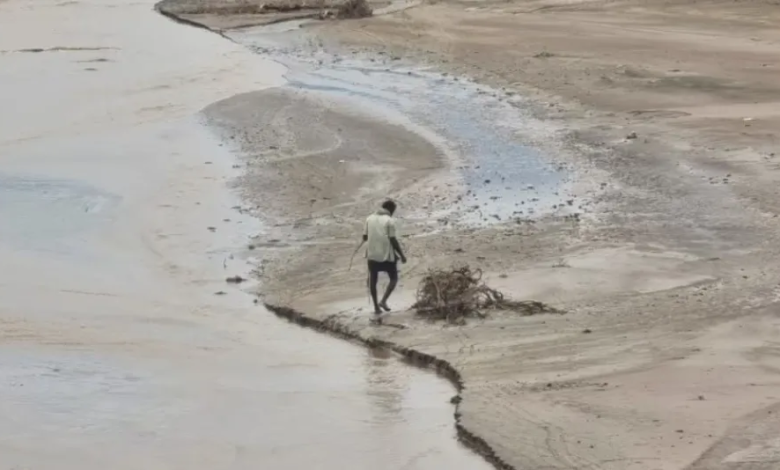
- إعادة تأهيل المدرجات الزراعية وقنوات الري التقليدية التي تضررت بفعل السيول الجارفة والإهمال.
أهمية الحدث وتأثيره المتوقع (محلياً، إقليمياً، ودولياً)
على الصعيد المحلي، تلعب هذه المبادرات دوراً حاسماً في تحسين مستوى الأمن الغذائي للأسر الريفية، وتوفير فرص عمل تحد من معدلات البطالة والفقر المدقع. كما تساهم بشكل مباشر في الحد من النزوح الداخلي، حيث يضطر الكثير من المزارعين لترك أراضيهم والهجرة نحو المدن بسبب الجفاف وانعدام سبل العيش.
أما على الصعيد الإقليمي والدولي، فإن استقرار القطاع الزراعي في اليمن يساهم في تخفيف العبء المالي واللوجستي عن وكالات الإغاثة الدولية، ويقلل من الاعتماد الكلي على المساعدات الغذائية الخارجية التي تكلف المجتمع الدولي مليارات الدولارات سنوياً. علاوة على ذلك، تتماشى هذه الجهود مع أهداف التنمية المستدامة للأمم المتحدة، وتحديداً الهدف الثاني المتمثل في القضاء التام على الجوع، والهدف الثالث عشر المتعلق باتخاذ إجراءات عاجلة للتصدي لتغير المناخ وآثاره، مما يعزز من الجهود العالمية لمكافحة التداعيات البيئية في الدول الهشة والنامية.