Revolutionary Guard threatens America and Israel amid reports of crackdown on protests

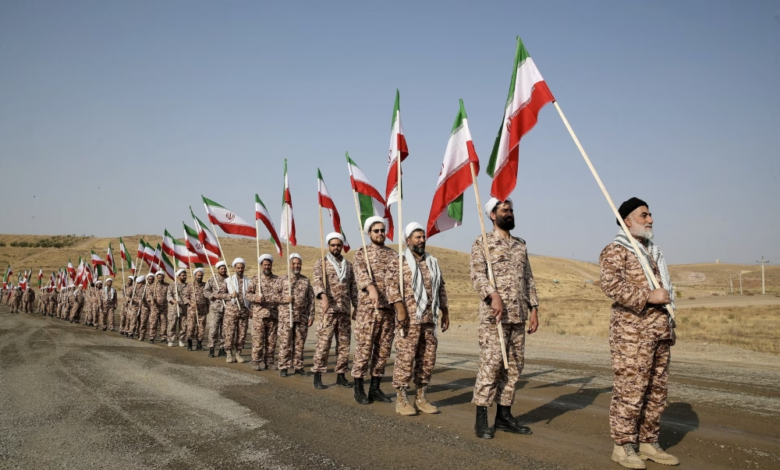
In a new escalation of military rhetoric, the commander Revolutionary Guard , Mohammad Pakpour, affirmed his forces' complete readiness to respond decisively to what he described as "American and Israeli threats." These statements came at a time of widespread internal unrest in Iran, with Pakpour accusing Washington and Tel Aviv of instigating protests .
Iranian state television quoted Pakpour as saying that the Revolutionary Guard was "at the highest level of readiness to respond firmly to the enemy's miscalculations," describing US President Donald Trump and Israeli Prime Minister Benjamin Netanyahu as "murderers of Iran's youth," in a clear reference to holding foreign powers responsible for the bloodshed during the demonstrations.
Context of tension and repercussions of sanctions
These threats come in a highly complex geopolitical context, as Iran under the weight of harsh economic sanctions imposed by the United States as part of its "maximum pressure" campaign. The deteriorating economic situation and the collapse of the local currency have fueled public anger, which Tehran views as an economic war waged by Washington and its allies to destabilize the regime from within. This has led Iranian military leaders to adopt an aggressive rhetoric to deter any attempts to exploit the internal situation.
International accusations of serious violations
leveled Amnesty International serious accusations against the Iranian authorities, asserting in a report on Wednesday that security forces had committed mass killings unlawful
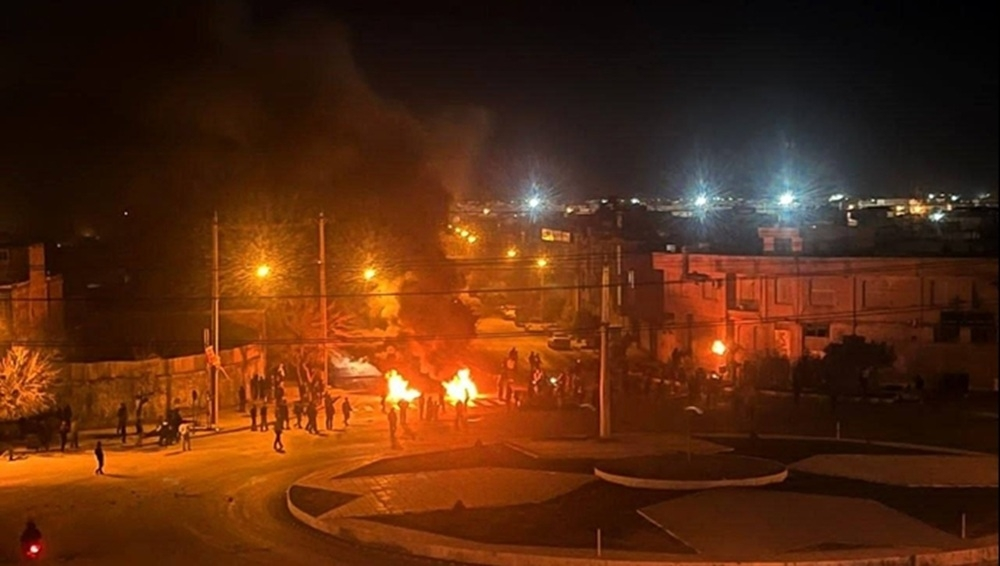
stated organization London-based
The human rights organization noted a "coordinated nationwide escalation" in the use of lethal force, particularly since January 8, the date that coincided with the start of the internet blackout, in an attempt to isolate the Iranian interior from the outside world and prevent documentation of abuses.
Diplomatic repercussions and embassy closures
In a sign of deteriorating security and growing diplomatic isolation, the British government announced on Wednesday the "temporary" closure of its embassy in Tehran . A British government spokesperson stated, "We have temporarily closed the British Embassy in Tehran, and work will be conducted remotely," adding that arrangements have been made to ensure consular services continue to the extent possible.
This move reflects growing Western concerns about the potential danger to diplomatic missions amid popular unrest and official threats, recalling previous attacks on Western embassies in Tehran. These developments are seen as a dangerous sign of escalating regional tensions, where the combination of internal repression and external threats could plunge the region into unpredictable conflict.