Trump suspends protection of ships in the Strait of Hormuz... Will diplomacy succeed?

A surprise decision amid tensions
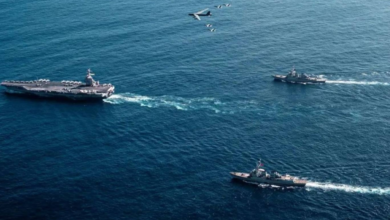
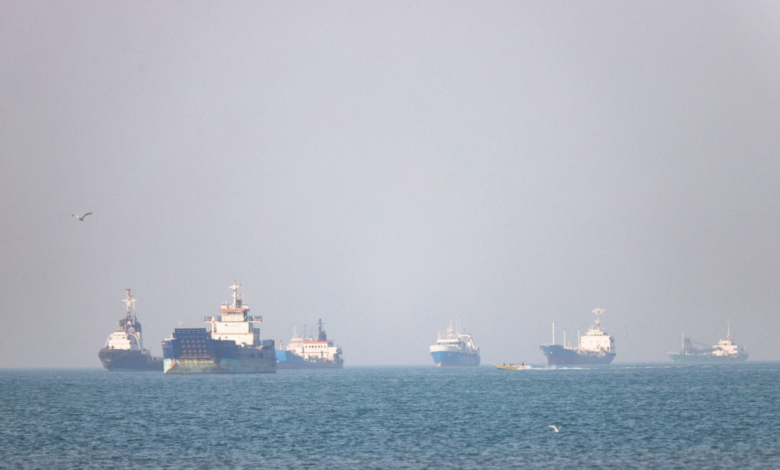
In an unexpected move, former US President Donald Trump announced the suspension of the newly launched military operation to escort and protect commercial vessels in the strategic Strait of Hormuz. This decision came just one day after the mission began, citing progress in diplomatic talks aimed at reaching a comprehensive agreement with Iran to defuse the crisis in the Middle East.
According to Trump, the suspension of the mission, dubbed “Project Freedom,” came in response to mediation efforts led by Pakistan and other countries. He explained that this move was intended to allow negotiations to finalize a potential agreement, while simultaneously emphasizing that the stringent economic sanctions, or “blockade,” would remain fully in place against Tehran.
Background of the conflict and the importance of the Strait of Hormuz
This development comes in the context of a period of escalating tensions between the United States and Iran, which peaked after Washington withdrew from the Iran nuclear deal (Joint Comprehensive Plan of Action) in 2018. Following this, the Trump administration imposed a policy of “maximum pressure” through crippling economic sanctions aimed at forcing Iran to renegotiate its nuclear and missile programs and its regional policies.
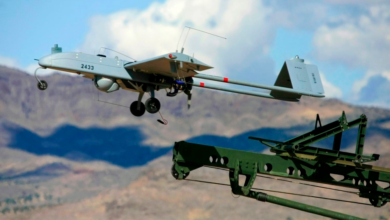
The Strait of Hormuz holds global strategic importance as one of the world's most vital waterways, through which nearly a fifth of the world's oil supply passes. The region witnessed a series of dangerous incidents in 2019, including mysterious attacks on oil tankers and the seizure of ships, as well as Iran's downing of a US drone, bringing the region to the brink of direct military confrontation.
Potential impacts at the regional and international levels
The decision to suspend the maritime protection mission represents a significant shift in US policy, reflecting Trump’s dual approach of combining military pressure with sudden diplomatic initiatives. Regionally, the decision may be interpreted as a goodwill gesture aimed at de-escalation, giving mediators a real opportunity to bridge the gap between Washington and Tehran. However, it may also raise concerns among US allies in the region who rely on the American military presence to ensure maritime security and the stability of energy supplies.
Internationally, the world is closely watching this development, as any agreement between the United States and Iran will not only affect the security of the Middle East but will also have direct repercussions on global energy markets and the global economy. The success of these diplomatic efforts remains contingent on the seriousness of both sides in making genuine concessions to reach a lasting solution that guarantees regional stability and freedom of navigation in this vital waterway.