
Introduction: UAE-Bahraini Summit to Enhance Regional Stability
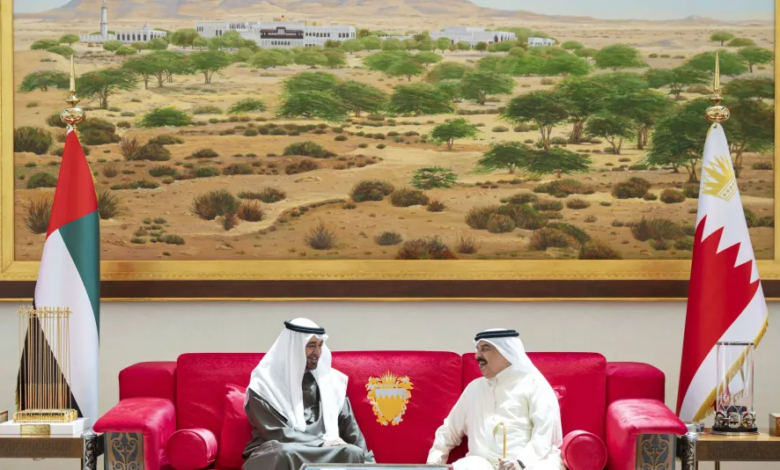
The Bahraini capital, Manama, hosted a high-level Emirati-Bahraini summit, focusing on vital issues affecting regional and international security, most notably maritime security and ensuring the stability of global energy supplies. This summit comes at a critical juncture, as geopolitical challenges escalate, necessitating continuous and collaborative coordination among the Gulf Cooperation Council (GCC) states to safeguard their shared strategic interests.
General context and historical background of bilateral relations
The relationship between the United Arab Emirates and the Kingdom of Bahrain is based on deep-rooted historical foundations and profound fraternal ties, forged through decades of joint cooperation across various political, economic, and security fields. This relationship serves as a model for joint Gulf action, with both countries consistently striving to unify their visions and positions on regional and international issues. Joint committees and ongoing reciprocal visits have contributed to strengthening this strategic alliance, making mutual coordination between Abu Dhabi and Manama a cornerstone for maintaining the security and stability of the Arabian Gulf and the wider Middle East.
The importance of maritime security in the region
Discussions concerning maritime security are of paramount importance given the strategic geographical location of the Arabian Gulf region. The region's waterways, particularly the Strait of Hormuz and the Bab el-Mandeb Strait, are vital arteries for global trade. The summit emphasized the need for concerted regional and international efforts to secure these waterways against any potential threats, whether piracy or interference aimed at disrupting commercial shipping. Ensuring freedom of navigation has implications not only for the countries of the region but also for the entire global economy, which relies heavily on the smooth flow of goods.
Energy supply stability and its global impact
Amidst the volatility of global energy markets, energy supplies emerged as a key focus of the UAE-Bahrain summit. As Gulf states are among the world's largest oil and gas exporters, any threat to regional security directly impacts energy prices and market stability. Both sides emphasized their commitment to supporting the stability of global energy markets and securing supply chains to ensure the uninterrupted flow of vital resources to consumers worldwide. This stance reflects the significant responsibility that both the UAE and Bahrain bear in supporting global economic growth and mitigating potential energy crises.
Expected impact of the summit (locally, regionally, and internationally)
The outcomes of this summit have multi-dimensional effects on various levels:
- On the local and Gulf level: The summit strengthens the collective security system of the Gulf Cooperation Council countries, and emphasizes the full solidarity between the UAE and Bahrain in facing security and economic challenges.
- On a regional level: The summit sends a clear message that the countries of the region are capable of managing their crises and protecting their territorial waters, which contributes to reducing tensions and building a more stable and peaceful regional environment.
- On the international level: These talks reassure the international community and global markets about the reliability of energy supplies, and emphasize the role of the Gulf States as reliable strategic partners in maintaining international peace and security and ensuring the flow of global trade.
conclusion
In conclusion, the UAE-Bahrain summit in Manama represents a significant strategic step in the ongoing cooperation between the two countries. By focusing on maritime security and energy supplies, the two nations reaffirm their pivotal role in shaping a secure and stable future for the region, serving the interests of their people and supporting global economic and political stability.