
مقدمة عن المسح الميداني وأهدافه البيئية
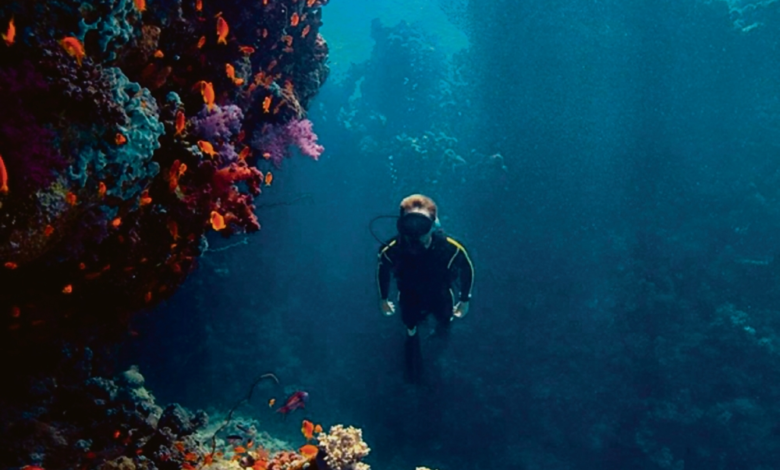
في خطوة استراتيجية تعكس الالتزام العميق بحماية الموارد الطبيعية، كشفت الهيئة العامة للمحافظة على الشعب المرجانية والسلاحف في البحر الأحمر «شمس» عن نتائج مسح ميداني دقيق وشامل استهدف رصد التنوع السمكي في البحر الأحمر. وقد نجحت الفرق البحثية في توثيق وجود 3,374 سمكة موزعة على 56 موقعاً بحرياً مختلفاً. تأتي هذه الجهود الحثيثة ضمن مساعي الهيئة لبناء قاعدة بيانات مرجعية علمية تدعم خطط الحفاظ على النظم البيئية الفريدة في المملكة العربية السعودية، بما يتماشى بشكل وثيق مع مستهدفات التنمية المستدامة ورؤية السعودية 2030 البيئية.
السياق العام والأهمية التاريخية لبيئة البحر الأحمر
تاريخياً، يُعد البحر الأحمر واحداً من أهم الأحواض المائية وأكثرها تنوعاً على مستوى العالم، حيث يتميز ببيئة بحرية شبه مغلقة ذات معدلات ملوحة ودرجات حرارة مرتفعة، مما جعل كائناته الحية، وخاصة الشعاب المرجانية والأسماك المرتبطة بها، تطور قدرات استثنائية على التكيف. وعلى مر العصور، شكل البحر الأحمر شرياناً حيوياً للمجتمعات الساحلية، إلا أن التحديات البيئية الحديثة مثل التغير المناخي والصيد الجائر استدعت تدخلاً مؤسسياً قوياً. ومن هنا، يبرز دور هيئة «شمس» كمظلة وطنية حديثة تهدف إلى تحويل الجهود الفردية إلى عمل مؤسسي مستدام يحمي هذا الإرث الطبيعي والتاريخي.
أبرز الأنواع السمكية المرصودة في المسح
أظهرت البيانات الإحصائية للمسح، التي غطت الفترة من 22 يوليو إلى 1 أغسطس 2024، هيمنة واضحة لسمك «الجراح المخطط» (Ctenochaetus striatus)، المعروف محلياً بـ«الجونيـه»، حيث تصدّر القائمة بتعداد بلغ 1,014 سمكة. يُعد هذا النوع عنصراً بالغ الأهمية في التوازن البيئي، حيث يتغذى على الطحالب التي قد تخنق الشعاب المرجانية. وجاء في المرتبة الثانية «سمك الببغاء الداكن» (Scarus niger) بـ383 سمكة، يليه «سمك وحيد القرن الأنيق» (Naso elegans) بـ381 سمكة. كما سجلت الفرق تنوعاً بيولوجياً لافتاً شمل 15 نوعاً من الأسماك، منها «سمك الببغاء» (Chlorurus sordidus) بـ355 مشاهدة، و«الجراح البني» (Acanthurus nigrofuscus) بـ258 مشاهدة، مما يعكس غنى البيئة البحرية وتنوعها.
دلالات المؤشرات البيئية والتكيف مع درجات الحرارة
غطى المسح نطاقاً واسعاً من الأعماق تراوح بين مترين و31 متراً، مما أتاح تكوين صورة متكاملة عن توزيع الكائنات البحرية عبر مختلف الطبقات المائية. ومن أبرز ما كشفته القراءات البيئية المصاحبة هو المرونة العالية للكائنات البحرية في المنطقة؛ إذ بلغ متوسط درجة حرارة المياه خلال فترة الرصد 32.1 درجة مئوية. هذه الدرجة المرتفعة تتطلب تكيفاً فسيولوجياً خاصاً من الأحياء البحرية، وتجعل من البحر الأحمر مختبراً طبيعياً عالمياً لدراسة قدرة الشعاب المرجانية على تحمل الاحتباس الحراري. كما تركزت معظم المشاهدات السمكية ضمن الفئة الحجمية المتوسطة (بين 10 و20 سم)، مما يشير إلى وجود جيل فتي ونشط يدعم استمرارية السلسلة الغذائية.
التأثير المتوقع للمسح محلياً وإقليمياً ودولياً
يُعد هذا الحراك البحثي حجر الزاوية في صياغة استراتيجيات الحماية المستقبلية. على المستوى المحلي، تضع هذه البيانات أمام صُنّاع القرار خريطة طريق واضحة لتحديد المناطق ذات الأولوية بالحماية، مما يدعم مشاريع السياحة البيئية الكبرى ويضمن استدامة الثروات للأجيال القادمة. إقليمياً، تساهم هذه المعطيات في فهم حركة الأرصدة السمكية المشتركة في حوض البحر الأحمر. أما دولياً، فإن توثيق قدرة هذه الأسماك والشعاب المرجانية على الازدهار في درجات حرارة تتجاوز 32 درجة مئوية يقدم للمجتمع العلمي العالمي أملاً وبيانات حاسمة في المعركة ضد ظاهرة ابيضاض المرجان العالمية، مما يعزز مكانة المملكة كقائد في مجال المحافظة على البيئة البحرية.