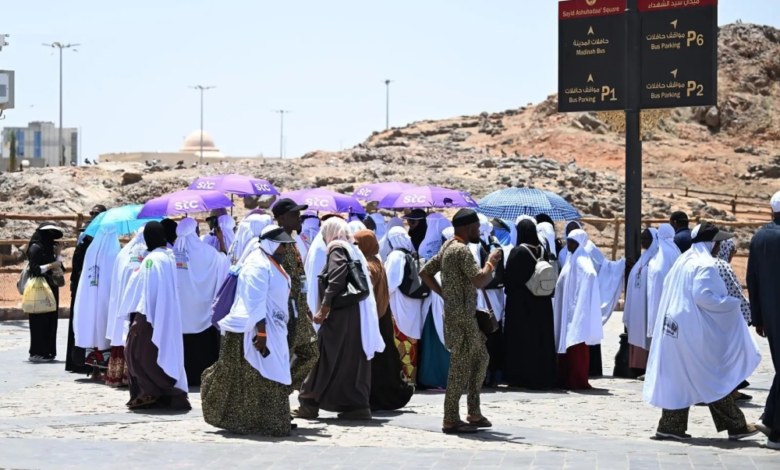

يشهد جبل الرماة بالمدينة المنورة خلال موسم الحج للعام الحالي توافد أعداد غفيرة من ضيوف الرحمن والزوار القادمين من مختلف دول العالم. وتأتي هذه الزيارات ضمن حرص الحجاج على استكشاف المواقع التاريخية والإسلامية العريقة، للتعرف عن قرب على محطات السيرة النبوية الشريفة، واستحضار أحداث غزوة أحد الخالدة التي شكلت منعطفاً مهماً في التاريخ الإسلامي.
السياق التاريخي لغزوة أحد وأهمية جبل الرماة
يحمل جبل الرماة، الذي يقع إلى جوار جبل أحد شمال المسجد النبوي الشريف، مكانة عظيمة في وجدان المسلمين. يُعد هذا الجبل الصغير من أبرز المعالم التاريخية المرتبطة بغزوة أحد التي وقعت في السنة الثالثة للهجرة. وتعود تسميته بهذا الاسم إلى تمركز الرماة عليه تنفيذاً لتوجيهات النبي محمد -صلى الله عليه وسلم- لحماية ظهور المسلمين ومنع التفاف جيش قريش خلال المعركة. وتعتبر هذه الحادثة درساً عسكرياً وإيمانياً بليغاً في أهمية الالتزام بالقيادة، حيث يبلغ طول الجبل نحو 180 متراً، ويطل مباشرة على ساحة المعركة ومقبرة شهداء أحد التي تضم رفات سبعين من الصحابة، وعلى رأسهم أسد الله حمزة بن عبدالمطلب.
تأثير الزيارة وإثراء تجربة ضيوف الرحمن
على الصعيد المحلي والإقليمي والدولي، تكتسب زيارة هذه المواقع أهمية كبرى؛ فهي لا تقتصر على كونها رحلة سياحية، بل هي رحلة إيمانية تربط أكثر من مليار ونصف المليار مسلم بجذورهم التاريخية. وخلال فترتي الصباح والظهيرة، يشهد الموقع حركة دؤوبة حيث يتجول الزوار في محيط الجبل، مستمعين إلى شروحات تعريفية مفصلة من المرشدين حول أحداث الغزوة والدروس المستفادة منها. كما يحرص الحجاج على التقاط الصور التذكارية في هذا الموقع الذي يمثل شاهداً تاريخياً حياً.
جهود التطوير ورؤية المملكة 2030
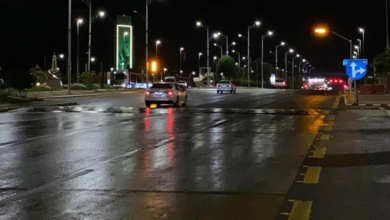
في إطار الجهود المبذولة لخدمة ضيوف الرحمن، تعمل حكومة المملكة العربية السعودية، ممثلة في هيئة تطوير المدينة المنورة، على تنفيذ مشاريع تطويرية شاملة في محيط الموقع. يتميز الجبل اليوم بسهولة الوصول إليه عبر الطرق والممرات المهيأة والمعبدة خصيصاً لراحة الزوار وكبار السن. وتنسجم هذه الجهود مع مستهدفات رؤية السعودية 2030، التي تهدف إلى إثراء التجربة الثقافية والمعرفية للحجاج والمعتمرين، وتقديم خدمات ترقى لمستوى تطلعاتهم منذ لحظة وصولهم وحتى مغادرتهم.
صفحات خالدة من السيرة النبوية
ويواصل جبل الرماة حضوره المهيب بوصفه معلماً تاريخياً بارزاً يستحضر صفحات مضيئة من السيرة النبوية. إنه يجسد العمق الحضاري والتاريخ الإسلامي الذي تزخر به المدينة المنورة، مما يمنح الزوار تجربة روحانية متكاملة تظل راسخة في أذهانهم بعد عودتهم إلى أوطانهم، ناقلين معهم رسالة السلام والتاريخ العريق للمملكة العربية السعودية.