The future of the Kora program: The truth about Al-Tuwaijri's departure and the controversy surrounding "his aunt Moudi"

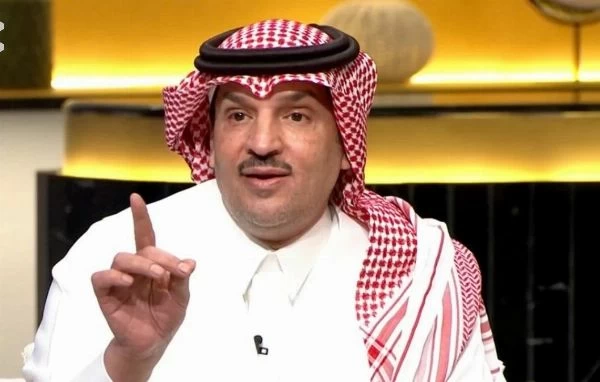
Amidst escalating speculation about the future of sports media in Saudi Arabia, prominent journalist Majed Al-Tuwaijri addressed rumors linking his departure from the popular sports program "Kora" to a widely circulated video in which he congratulated his "aunt, Moudi." Al-Tuwaijri categorically denied this connection, emphasizing that his decision to leave the program was in no way related to the personal video that had gone viral on social media.
The general context and the controversy surrounding "his aunt Moudi"
The story began when a family video circulated showing Majed Al-Tuwaijri spontaneously congratulating his aunt, Moudi, sparking a significant reaction from viewers. Simultaneously, strong rumors began circulating about impending major changes to the "Kora" program, presented by Turki Al-Ajmah on Rotana Khalijia channel, with some even suggesting its cancellation at the end of the current sports season. Some quickly linked Al-Tuwaijri's potential departure to the video, unleashing a torrent of interpretations and analyses. In a statement to settle the matter, Al-Tuwaijri said, "Anyone who thinks that Turki Al-Ajmah and I left the Kora program because of the video of me congratulating my aunt Moudi is mistaken. This matter has absolutely nothing to do with it... Forget about my aunt Moudi.".
The importance and history of the “Kora” program
The "Kora" program is a cornerstone of sports talk shows in Saudi Arabia and the Arabian Gulf. Launched many years ago, it has built a broad audience thanks to its comprehensive coverage of the Saudi League and regional sporting events, as well as its bold approach to sensitive sports issues. The duo of Turki Al-Ajmah and Majid Al-Tuwaijri, along with a select group of analysts, have established a distinctive identity for the program, making any talk of its cancellation or staff changes a significant event followed with great interest by the sports community. The program represents a part of the television sporting memory of an entire generation of viewers.
The impact of potential changes on the media landscape
These developments come at a time when Saudi sports media is experiencing unprecedented activity, driven by the significant resurgence of Saudi sports, particularly the Roshan Professional League, which has attracted international stars. Reports indicate that the changes are not limited to the "Kora" program alone, but are part of a comprehensive restructuring of the sports programming landscape in preparation for the new season. Media personality Waleed Al-Faraj, host of the "Action with Waleed" program, hinted at the possibility of major changes in the programs of competing channels, opening the door to various scenarios, including the emergence of new programs with different names and faces, aiming to keep pace with the new era and provide content that satisfies the aspirations of the Saudi viewer, whose expectations have risen.