
إنجاز تاريخي يعيد أمجاد الماضي
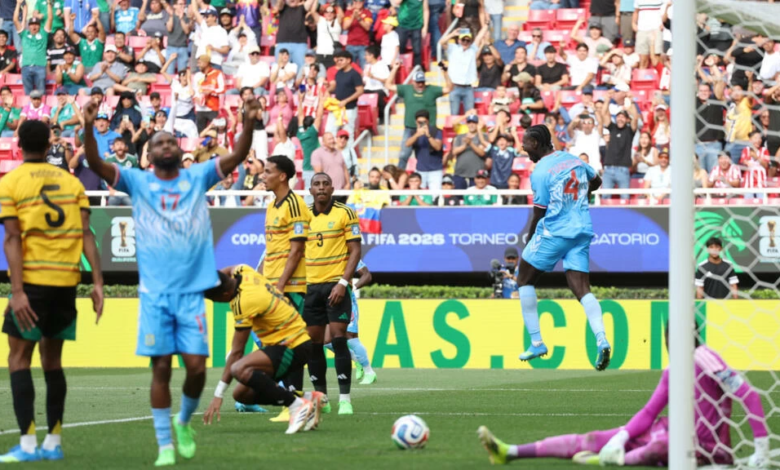
في ليلة كروية حافلة بالإثارة والندية، سطر منتخب الكونغو الديمقراطية تاريخاً جديداً بتأهله رسمياً إلى نهائيات كأس العالم 2026، وذلك بعد تحقيقه فوزاً شاقاً وثميناً على نظيره منتخب جامايكا بهدف دون رد. أقيمت هذه المواجهة الحاسمة على أرضية ملعب «غوادالاخارا» في المكسيك، ضمن منافسات الملحق العالمي المؤهل للمونديال الذي سيقام بتنظيم مشترك بين الولايات المتحدة الأمريكية، كندا، والمكسيك. هذا التأهل لم يكن مجرد انتصار عابر، بل هو عودة طال انتظارها لبلد يتنفس كرة القدم.
تفاصيل المباراة الماراثونية واللجوء للأشواط الإضافية
اتسمت المباراة بحذر تكتيكي كبير من كلا الجانبين، حيث سيطر التعادل السلبي على مجريات الوقت الأصلي للقاء. تبادل المنتخبان الهجمات وسط تألق لافت من حراس المرمى وخطوط الدفاع، مما حال دون هز الشباك في الدقائق التسعين الأولى. وأمام هذا الاستعصاء الهجومي، اضطر المنتخبان للاحتكام إلى شوطين إضافيين لمدة 30 دقيقة، في محاولة أخيرة لاقتناص بطاقة العبور الغالية إلى العرس الكروي العالمي.
أكسل توانزيبي بطل اللحظة الحاسمة
في الدقيقة 100 من عمر اللقاء، وتحديداً في الشوط الإضافي الأول، جاء الفرج للجماهير الكونغولية عن طريق النجم أكسل توانزيبي. نجح توانزيبي في تسجيل هدف الفوز القاتل لمنتخب الكونغو الديمقراطية بعد استغلاله ركلة ركنية نُفذت ببراعة، ليودع الكرة في الشباك الجامايكية. لم تكتمل الفرحة فوراً، حيث عاش اللاعبون والجماهير لحظات من حبس الأنفاس استمرت لأكثر من دقيقة، بانتظار قرار تقنية الفيديو المساعد (VAR) التي راجعت اللقطة للتأكد من عدم وجود لمسة يد. وبعد التأكيد، انفجرت المدرجات فرحاً بهذا الهدف الذي أنهى غياباً دام 52 عاماً عن المونديال.
السياق التاريخي: عودة بعد غياب استمر 52 عاماً
تكتسب هذه العودة أهمية بالغة في التاريخ الرياضي للكونغو الديمقراطية. يعود آخر ظهور للمنتخب في كأس العالم إلى نسخة عام 1974 التي أقيمت في ألمانيا الغربية، حينما كان البلد يُعرف باسم “زائير”. في ذلك الوقت، دخلت زائير التاريخ كأول دولة من أفريقيا جنوب الصحراء تتأهل إلى نهائيات كأس العالم. واليوم، وبعد مرور أكثر من نصف قرن من الزمان، يعود الجيل الحالي ليكتب فصلاً جديداً من الإنجازات، مما يعزز من مكانة الكرة الأفريقية على الساحة الدولية ويثبت تطورها المستمر.
تأثير التأهل محلياً وإقليمياً
على الصعيد المحلي، يمثل هذا التأهل دفعة معنوية هائلة للشعب الكونغولي، حيث تُعد كرة القدم متنفساً رئيسياً ومصدراً للوحدة الوطنية في العاصمة كينشاسا ومختلف المقاطعات. أما إقليمياً، فإن تواجد الكونغو الديمقراطية في مونديال 2026، الذي يشهد مشاركة 48 منتخباً لأول مرة، يؤكد قوة المنافسة في القارة السمراء وقدرة منتخباتها على حجز مقاعدها عبر الملاحق العالمية الصعبة، مما يرفع من سقف الطموحات الأفريقية في البطولة.
إصابة مفاجئة لحكم الساحة
شهدت الدقائق الأخيرة من المباراة حدثاً استثنائياً، حيث تعرض حكم الساحة الأرجنتيني فاكوندو تيلو لإصابة عضلية مفاجئة قبل تسع دقائق فقط من نهاية الوقت الإضافي الثاني. اضطر تيلو لمغادرة أرضية الملعب، ليتولى الحكم الرابع، مواطنه داريو هيريرا، مسؤولية إدارة الدقائق المتبقية من اللقاء الحاسم، ونجح في إيصال المباراة إلى بر الأمان وسط توتر كبير من لاعبي الفريقين.
تحديات المجموعة الحادية عشرة في المونديال
بعد هذا التأهل المثير، سيتواجد منتخب الكونغو الديمقراطية في المجموعة الحادية عشرة ضمن منافسات كأس العالم 2026. ولن تكون المهمة سهلة، حيث أوقعت القرعة الفهود الكونغولية في مواجهة منتخبات قوية ومتمرسة. سيصطدم المنتخب بمنتخب البرتغال، المدجج بالنجوم والذي يمتلك تاريخاً حافلاً في البطولات الأوروبية والعالمية، بالإضافة إلى منتخب كولومبيا الذي يُعد من القوى البارزة في قارة أمريكا الجنوبية، ومنتخب أوزبكستان الطموح الذي يسعى لإثبات جدارته في الساحة العالمية. تتجه الأنظار الآن نحو التحضيرات القادمة للكونغو الديمقراطية لضمان تمثيل مشرف يليق بهذا الإنجاز التاريخي.