
استنفار أمريكي لمواجهة خطر فيروس إيبولا
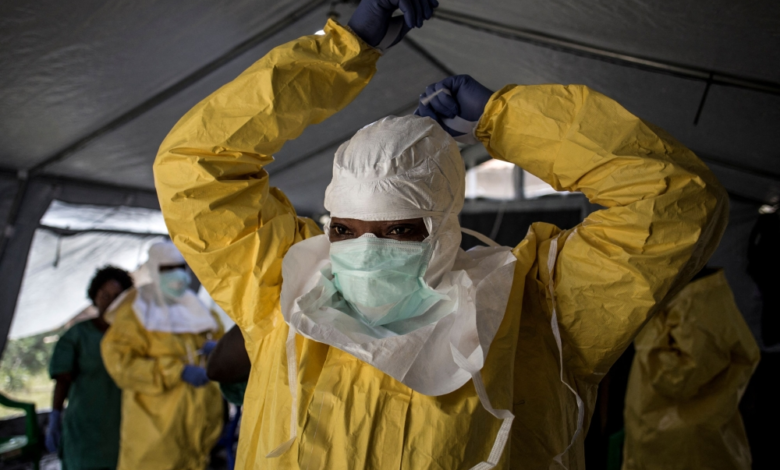
أعلنت الولايات المتحدة الأمريكية، يوم الاثنين، عن اتخاذ حزمة من الإجراءات الاحترازية الصارمة لمنع انتشار فيروس إيبولا داخل أراضيها. وتأتي هذه الخطوة الاستباقية في أعقاب تأكيد إصابة مواطن أمريكي بالفيروس القاتل أثناء تأدية عمله في جمهورية الكونغو الديمقراطية. وتزامنت هذه الإجراءات مع إعلان منظمة الصحة العالمية حالة طوارئ صحية دولية بسبب تفشي المرض في المنطقة.
تفاصيل الإصابة وعمليات الإجلاء
في تصريحات صحفية، كشف ساتيش بيلاي، مدير الاستجابة لحوادث إيبولا في منظمة الصحة العالمية، أن المواطن الأمريكي ظهرت عليه أعراض المرض خلال عطلة نهاية الأسبوع، وجاءت نتيجة فحوصاته المخبرية إيجابية في وقت متأخر من مساء الأحد. وأكد بيلاي أن الجهود جارية على قدم وساق لنقل المصاب إلى ألمانيا لتلقي الرعاية الطبية المتخصصة. وفي سياق متصل، تسعى السلطات الأمريكية لإجلاء ستة أشخاص آخرين لوضعهم تحت المراقبة الصحية الدقيقة. وأوضح بيلاي أن السفارة الأمريكية في الكونغو الديمقراطية تضم نحو 25 موظفاً، مشيراً إلى أن مراكز السيطرة على الأمراض والوقاية منها (CDC) سترسل منسقاً فنياً إضافياً لدعم الجهود الميدانية.
الإجراءات الوقائية وقيود السفر
أصدرت مراكز السيطرة على الأمراض والوقاية منها بياناً طمأنت فيه الشعب الأمريكي، مؤكدة أن التقييم الحالي للخطر المباشر يُعد “منخفضاً”، مع الاحتفاظ بحق تعديل هذه الإجراءات وفقاً للمستجدات. وشملت التدابير الجديدة فرض قيود صارمة على دخول حاملي جوازات السفر غير الأمريكية الذين تواجدوا في أوغندا، أو الكونغو الديمقراطية، أو جنوب السودان خلال الـ 21 يوماً الماضية، إلى جانب فحص المسافرين في المطارات. كما تضمنت الإجراءات تعليق خدمات التأشيرات مؤقتاً في بعض البلدان، حيث أعلنت السفارة الأمريكية في العاصمة الأوغندية كمبالا وقف جميع خدمات التأشيرات بشكل مؤقت.
السياق السياسي وتصريحات الإدارة الأمريكية
على الصعيد السياسي، أعرب الرئيس الأمريكي دونالد ترامب عن قلقه إزاء تفشي الفيروس، لكنه رجح أن يظل المرض محصوراً في القارة الإفريقية. ويأتي هذا التحدي الصحي في وقت حساس، حيث انسحبت الولايات المتحدة رسمياً من منظمة الصحة العالمية هذا العام في عهد إدارة ترامب. كما تجنب مسؤولون أمريكيون الإجابة عن تساؤلات حول تأثير التخفيضات التي أقرتها الإدارة لميزانية الوكالة الأمريكية للتنمية الدولية (USAID)، والتي طالما لعبت دوراً محورياً وتاريخياً في مكافحة تفشي فيروس إيبولا في إفريقيا.
الوضع الوبائي والخلفية التاريخية لفيروس إيبولا
أشارت التقارير الطبية إلى عدم توفر لقاح أو علاج محدد للسلالة الحالية المسؤولة عن انتشار هذه الحمى النزفية شديدة العدوى. وقد تم الإبلاغ حتى الآن عن نحو 350 إصابة مشتبه بها، تتركز معظمها في الفئة العمرية بين 20 و39 عاماً، وتشكل النساء أكثر من 60% من إجمالي المصابين.
تاريخياً، تم اكتشاف فيروس إيبولا لأول مرة عام 1976 بالقرب من نهر إيبولا في ما يعرف الآن بجمهورية الكونغو الديمقراطية. ومنذ ذلك الحين، شهدت القارة الإفريقية عدة موجات من التفشي، كان أعنفها وأكثرها تدميراً بين عامي 2014 و2016 في دول غرب إفريقيا، حيث حصدت الأرواح بالآلاف. وتعتبر الكونغو الديمقراطية بؤرة متكررة للمرض بسبب طبيعتها الجغرافية والغابات الاستوائية التي تشكل بيئة حاضنة للحيوانات الناقلة للفيروس مثل خفافيش الفاكهة.
التأثير الإقليمي والدولي المتوقع
إن إعلان منظمة الصحة العالمية حالة الطوارئ يعكس الأهمية القصوى والخطورة البالغة لهذا الحدث على المستويين الإقليمي والدولي. فإقليمياً، تواجه الدول المجاورة مثل أوغندا وجنوب السودان خطراً داهماً بسبب حركة التنقل المستمرة عبر الحدود، مما يستدعي استنفاراً صحياً شاملاً وتنسيقاً عالي المستوى. أما دولياً، فإن انتقال الفيروس عبر المسافرين يفرض تحديات هائلة على حركة الطيران والتجارة العالمية، ويحتم على المجتمع الدولي التكاتف وتوفير التمويل العاجل والكوادر الطبية لمحاصرة الوباء في مهده قبل أن يتحول إلى أزمة صحية عالمية تهدد الأمن العابر للقارات.