
تصاعد وتيرة احتجاجات بوليفيا: مواجهات عنيفة وأزمة اقتصادية
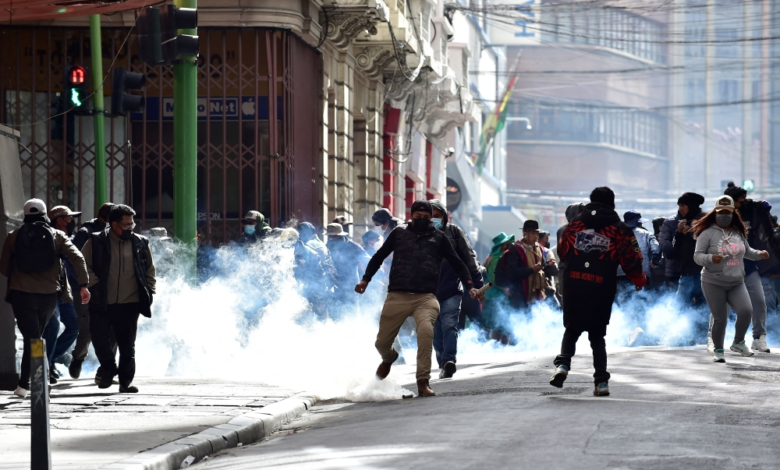
تشهد العاصمة البوليفية لاباز تصعيداً خطيراً في الساحة السياسية والميدانية، حيث اندلعت مواجهات عنيفة في بوليفيا بين قوات الشرطة وآلاف المتظاهرين الغاضبين. تأتي هذه الأحداث في ظل احتقان شعبي متزايد ضد الرئيس البوليفي المحسوب على تيار يمين الوسط، رودريغو باز، وذلك بعد مرور ستة أشهر فقط على توليه مقاليد السلطة في البلاد. وقد أدت هذه الاحتجاجات إلى شلل شبه تام في العاصمة التي باتت مقطوعة عن بقية المناطق بسبب الحواجز الترابية والمتاريس التي أقامها المحتجون على الطرق الرئيسية.
جذور الأزمة: تدهور اقتصادي غير مسبوق
لا يمكن فصل هذه الاضطرابات عن السياق الاقتصادي المتدهور؛ إذ تواجه بوليفيا حالياً أسوأ أزمة اقتصادية لها منذ أربعة عقود، وتحديداً منذ ثمانينيات القرن العشرين. ويشكل العمال، والفلاحون، وعمال المناجم، والمعلمون رأس الحربة في هذه التظاهرات. وتعود أسباب الغضب الشعبي إلى استنفاد البنك المركزي لاحتياطياته من العملة الصعبة (الدولار)، مما أعاق قدرة الدولة على تمويل الواردات الأساسية. وقد تفاقم الوضع بشكل دراماتيكي بعد قرار الحكومة بإلغاء الدعم الحكومي عن الوقود في شهر ديسمبر الماضي، وهو ما أدى إلى قفزة هائلة في الأسعار، حيث سجل معدل التضخم السنوي نحو 14% بحلول شهر أبريل، مما أثقل كاهل المواطن البوليفي البسيط.
تفاصيل المواجهات الميدانية في لاباز
على الصعيد الميداني، اتخذت احتجاجات بوليفيا طابعاً عنيفاً. فقد حاول المتظاهرون، الذين تسلحوا بالعصي والحجارة والمتفجرات بدائية الصنع (وهو تكتيك غالباً ما يستخدمه عمال المناجم في الاحتجاجات البوليفية)، اقتحام “ساحة موريو” الاستراتيجية التي تضم القصر الرئاسي والمقرات الحكومية السيادية. في المقابل، تصدت المئات من عناصر شرطة مكافحة الشغب للمحتجين، مستخدمة قنابل الغاز المسيل للدموع بكثافة لتفريق الحشود ومنعهم من التقدم.
ورغم تمكن قوات الجيش والشرطة من إعادة فتح بعض الطرق المؤدية إلى العاصمة بشكل مؤقت بعد اشتباكات ضارية، إلا أن المحتجين سرعان ما أعادوا تنظيم صفوفهم واستعادوا السيطرة على عدة محاور في نفس اليوم. هذا الكر والفر أدى إلى عزل العاصمة الإدارية لاباز، مما تسبب في نقص حاد ومقلق في الإمدادات الحيوية مثل الوقود، والمواد الغذائية، والأدوية.
الأبعاد السياسية وتصفية الحسابات
سياسياً، وجهت الحكومة البوليفية الحالية أصابع الاتهام مباشرة إلى الرئيس الاشتراكي الأسبق، إيفو موراليس، الذي حكم البلاد بين عامي 2006 و2019. وصرح وزير الاقتصاد، خوسيه غابرييل إسبينوزا، عبر محطة “ريد أونو” التلفزيونية، بأن المتظاهرين ليسوا سوى “أدوات سياسية” يحركها موراليس في مسعى منه لزعزعة الاستقرار والعودة إلى السلطة. وفي خطوة تصعيدية، أعلنت النيابة العامة إصدار مذكرة توقيف بحق ماريو أرغويو، رئيس أكبر نقابة عمالية في البلاد وأحد أبرز قادة الحراك، موجهة إليه تهماً خطيرة تشمل “التحريض العلني على ارتكاب جرائم” و”الإرهاب”.
التأثير المحلي والإقليمي للأحداث
تحمل هذه الأحداث تداعيات خطيرة تتجاوز الحدود المحلية. فعلى المستوى المحلي، يهدد استمرار قطع الطرق بانهيار منظومة الأمن الغذائي والصحي في المدن الكبرى. أما إقليمياً، فإن عدم الاستقرار في بوليفيا – وهي دولة حبيسة تعتمد على جيرانها في التجارة – يؤثر سلباً على حركة النقل البري وسلاسل التوريد في أمريكا الجنوبية. وتبقى الأيام القادمة حاسمة، حيث تعهدت الحكومة بمواصلة جهودها لفتح الطرق، مما ينذر باحتمالية تصاعد العنف إذا لم يتم التوصل إلى تسوية سياسية واقتصادية عاجلة.