
تحرك أوروبي عاجل لتعزيز القدرات الدفاعية
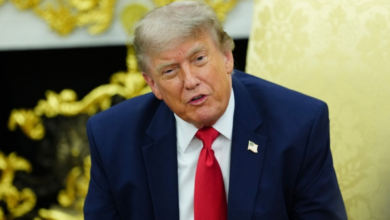
ناقش قادة الاتحاد الأوروبي وحلف شمال الأطلسي (الناتو) استراتيجيات مكثفة تهدف إلى زيادة إنتاج الأسلحة في القارة الأوروبية. جاء هذا التحرك العاجل خلال لقاء جمع رئيسة المفوضية الأوروبية، أورسولا فون دير لايين، مع الأمين العام لحلف الناتو، مارك روته. وتأتي هذه المباحثات في توقيت حساس للغاية، حيث تتزايد الشكوك حول مدى التزام واشنطن بالتحالف التاريخي، خاصة في ظل التصريحات والتهديدات المتكررة من قبل الرئيس الأمريكي دونالد ترامب.
وفي منشور لها عبر الإنترنت عقب الاجتماع، أكدت فون دير لايين على الضرورة الملحة للعمل المشترك قائلة: “علينا الاستثمار أكثر لإنتاج المزيد والقيام بالأمرين بسرعة”. هذا التصريح يعكس حالة الاستنفار داخل الأروقة الأوروبية لتعزيز الجيوش الوطنية في مواجهة التداعيات المستمرة للحرب الروسية على أوكرانيا، والضغوط السياسية القادمة من الجانب الأمريكي.
السياق التاريخي: نهاية حقبة الاعتماد المطلق على واشنطن
لعقود طويلة منذ نهاية الحرب العالمية الثانية وتأسيس حلف الناتو، اعتمدت الدول الأوروبية بشكل شبه كلي على المظلة الأمنية للولايات المتحدة الأمريكية. ومع ذلك، تدرك العواصم الأوروبية اليوم بواقعية تامة أن هذه الحقبة قد شارفت على الانتهاء. لقد أدت الحرب الروسية الأوكرانية إلى صدمة استراتيجية، كشفت عن فجوات عميقة في المخزونات العسكرية الأوروبية نتيجة سنوات من خفض الإنفاق الدفاعي بعد انتهاء الحرب الباردة.
واليوم، تجد أوروبا نفسها مضطرة لتولي مسؤولية أمنها بنفسها. وقد أعربت الولايات المتحدة صراحة عن رغبتها في أن يتحمل الحلفاء الأوروبيون العبء الأكبر من الدفاع التقليدي عن قارتهم. هذا التوجه الأمريكي يندرج ضمن استراتيجية أوسع تهدف إلى تفرغ واشنطن لمواجهة تحديات جيوسياسية أخرى، وعلى رأسها الصعود المتسارع للصين في منطقة المحيط الهندي والهادئ.
تهديدات ترامب وتأثيرها على ميزانيات الدفاع
تفاقمت المخاوف الأوروبية حيال الدور المستقبلي لواشنطن في حلف الناتو بعد تهديدات ترامب بالانسحاب من الحلف، وذلك احتجاجاً على ما يعتبره عدم تحمل أوروبا لتكلفتها العادلة في ميزانية الدفاع، بالإضافة إلى تباين الرؤى حول قضايا دولية أخرى مثل التعامل مع الملف الإيراني.
وفي مسعى لتخفيف حدة هذه الانتقادات ولضمان استمرارية التحالف، تعهد حلفاء الناتو بزيادة الإنفاق الدفاعي الأساسي. وتشير التوجهات الحالية إلى طموحات للوصول بالإنفاق إلى مستويات غير مسبوقة قد تبلغ 3.5% من الناتج المحلي الإجمالي لبعض الدول، في محاولة جادة لسد الفجوات التسليحية وتطوير المنظومات القتالية.
تحديات قطاع الصناعات الدفاعية الأوروبية
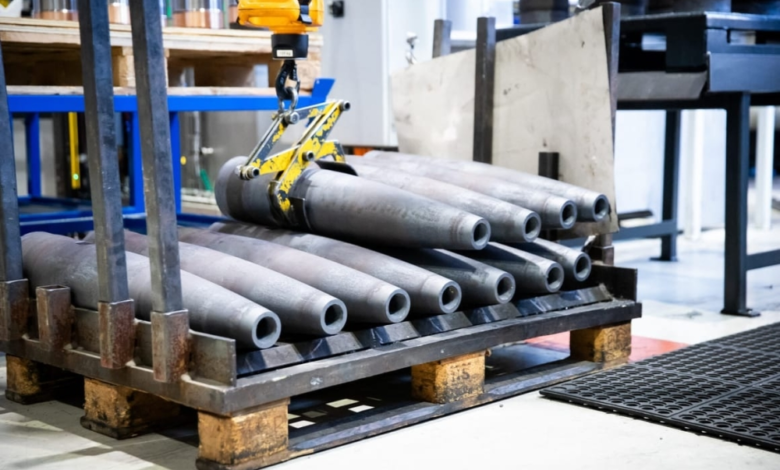
رغم الإرادة السياسية وحزم المبادرات التي أطلقها الاتحاد الأوروبي مؤخراً، يواجه قطاع الدفاع الأوروبي تحديات هيكلية ضخمة. تشير التقارير إلى أن القاعدة الصناعية الدفاعية الحالية غير قادرة على تلبية الطلبات الجديدة والمتزايدة بالسرعة المطلوبة، مما يتطلب استثمارات ضخمة وطويلة الأجل لتوسيع خطوط الإنتاج.
وفي هذا السياق، أفاد مارك روته بعد محادثاته الأخيرة في واشنطن بأن “أوروبا أقوى تعني ناتو أقوى”. وأوضح أن المباحثات مع المفوضية الأوروبية تركزت على كيفية تعزيز التعاون الأساسي بين الناتو والاتحاد الأوروبي، بما يشمل إزالة العقبات أمام زيادة الإنتاج الصناعي الدفاعي، ومواصلة تقديم الدعم العسكري الحيوي لأوكرانيا، فضلاً عن حماية البنى التحتية الأساسية للقارة.
من المتوقع أن تتصدر مسألة الإنتاج الصناعي العسكري جدول أعمال قمة الناتو المرتقبة في أنقرة، حيث يشدد مسؤولو الحلف على ضرورة أن يركز الاتحاد الأوروبي على نقاط قوته، مثل حشد التمويل وتسهيل التشريعات، وألا ينحرف إلى المجال التقليدي للحلف والمتمثل في التخطيط العسكري، لضمان تكامل الجهود وتجنب الازدواجية.