
خطوة تاريخية في سماء الكاريبي
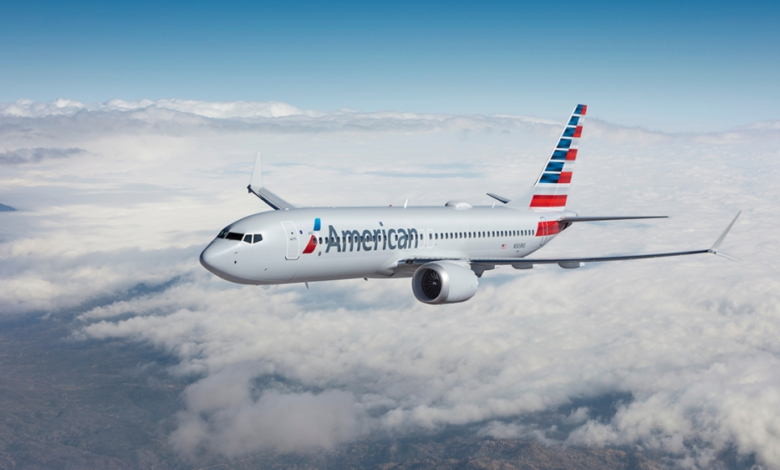
في حدث يمثل تحولاً دبلوماسياً هاماً، انطلقت صباح الخميس أول رحلة طيران مباشرة من الولايات المتحدة الأمريكية إلى فنزويلا منذ ما يقرب من سبع سنوات. أقلعت الطائرة التابعة لشركة “إنفوي إير”، وهي فرع إقليمي لشركة “أمريكان إيرلاينز”، من مطار ميامي الدولي متجهة إلى العاصمة الفنزويلية كاراكاس، معلنةً عن فصل جديد في العلاقات المتوترة بين البلدين. حملت الرحلة على متنها عدداً من المسؤولين ورجال الأعمال، إلى جانب تغطية إعلامية واسعة، مما يعكس الأهمية الكبيرة لهذا الحدث.
خلفية الانقطاع الطويل: سنوات من التوتر السياسي
لم يكن توقف الرحلات الجوية قراراً عشوائياً، بل كان نتيجة مباشرة لتدهور العلاقات الدبلوماسية بين واشنطن وكاراكاس. في مايو 2019، فرضت إدارة الرئيس الأمريكي السابق دونالد ترامب حظراً شاملاً على جميع رحلات الركاب والشحن الجوية بين البلدين. جاء هذا القرار في ذروة الأزمة السياسية في فنزويلا، حيث فرضت الولايات المتحدة عقوبات اقتصادية صارمة على حكومة الرئيس نيكولاس مادورو، واعترفت بزعيم المعارضة خوان غوايدو رئيساً مؤقتاً للبلاد. استند قرار الحظر إلى مخاوف تتعلق بالسلامة والأمن في المطارات الفنزويلية، مما أدى إلى عزل فنزويلا جوياً عن الولايات المتحدة بشكل كامل، وتسبب في صعوبات بالغة للمواطنين ورجال الأعمال والعائلات التي تربطها صلات بكلا البلدين.
الأهمية والتأثيرات المتوقعة لهذه الخطوة
تأتي استعادة هذا الجسر الجوي في سياق مختلف، حيث بدأت إدارة الرئيس جو بايدن في اتباع نهج أكثر براغماتية. ورغم أن هذه الرحلة الأولى مخصصة بشكل أساسي لأغراض محددة تتعلق باتفاقيات حديثة بين البلدين، إلا أنها تحمل في طياتها دلالات أوسع.
- على الصعيد الدبلوماسي: تعتبر هذه الرحلة مؤشراً على وجود حوار خلف الكواليس بين الإدارتين، وقد تمثل بداية لتخفيف حدة التوتر. تأتي هذه الخطوة بالتزامن مع تخفيف مؤقت لبعض العقوبات الأمريكية على قطاع النفط الفنزويلي، مما يشير إلى استراتيجية “خطوة مقابل خطوة” قد تتبعها واشنطن.
- على الصعيد الإنساني والاقتصادي: يفتح استئناف الرحلات، حتى لو كان محدوداً في البداية، الباب أمام لم شمل العائلات التي تفرقت لسنوات. كما أنه يبعث برسالة إيجابية لمجتمع الأعمال الذي يتطلع إلى استكشاف الفرص مجدداً في فنزويلا، التي تمتلك أكبر احتياطيات نفطية في العالم. على المدى الطويل، يمكن أن يساهم تطبيع حركة الطيران في إنعاش قطاعي السياحة والتجارة، وتسهيل وصول المساعدات الإنسانية.
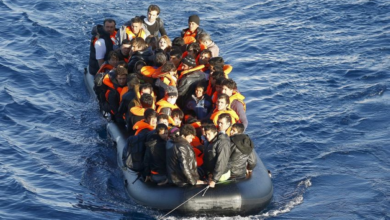
- على الصعيد الإقليمي: يُنظر إلى هذه الخطوة على أنها جزء من محاولة أمريكية لإعادة ترتيب سياستها في أمريكا اللاتينية، والتعامل مع التحديات الملحة مثل أزمة الهجرة، حيث تعد فنزويلا مصدراً رئيسياً للمهاجرين في المنطقة.
وبينما لا تزال العلاقات بين الولايات المتحدة وفنزويلا معقدة ومليئة بالتحديات، فإن عودة الطائرات للتحليق المباشر بينهما تعد بارقة أمل، وخطوة رمزية قد تمهد الطريق لمزيد من الانفراج في المستقبل.