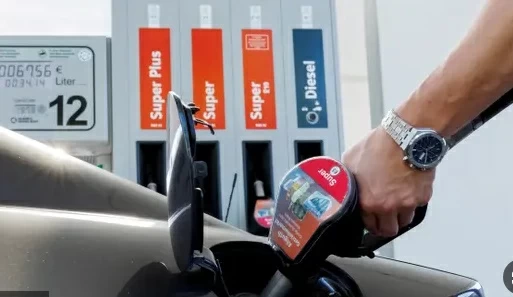

أعلن نادي السيارات الألماني (ADAC) عن تسجيل مستويات قياسية جديدة في أسعار الوقود في ألمانيا، حيث شهدت محطات المحروقات ارتفاعاً غير مسبوق في أسعار وقود الديزل والبنزين الممتاز من فئة “إي 10” (E10). هذا الارتفاع المفاجئ أثار قلق السائقين والقطاعات الاقتصادية التي تعتمد بشكل كبير على النقل، مما يعيد إلى الأذهان أزمات الطاقة السابقة.
تفاصيل الارتفاع القياسي في أسعار البنزين والديزل
وفقاً للبيانات الصادرة عن النادي، اضطر أصحاب السيارات إلى دفع مبالغ باهظة لتعبئة مركباتهم. فقد بلغ متوسط سعر لتر الديزل نحو 2.425 يورو، متجاوزاً بذلك الرقم القياسي السابق بأكثر من 10 سنتات. أما بالنسبة للبنزين الممتاز فئة “إي 10″، فقد وصل سعر اللتر إلى 2.184 يورو، وهو مستوى قياسي جديد لهذا العام، ولا يفصله سوى 1.9 سنت عن أعلى مستوى تاريخي تم تسجيله في عام 2022. وفي وقت لاحق من اليوم، استغلت شركات النفط الفرصة لرفع الأسعار مجدداً، ليصل البنزين إلى 2.239 يورو والديزل إلى 2.488 يورو.
القواعد التنظيمية الجديدة وتأثيرها العكسي
في محاولة لضبط السوق، دخلت قواعد تنظيمية جديدة حيز التنفيذ منذ الأول من أبريل الحالي، تمنع محطات الوقود من رفع الأسعار إلا مرة واحدة يومياً في تمام الساعة 12:00 ظهراً. هذه الخطوة جاءت اقتداءً بالنموذج المطبق في النمسا منذ سنوات. ومع ذلك، يبدو أن النتيجة جاءت عكسية؛ فقد استغلت شركات النفط هذه النافذة الزمنية الوحيدة لفرض زيادات كبيرة دفعة واحدة. ونتيجة لذلك، أصبحت مستويات الأسعار اليومية أعلى مقارنة بالأيام السابقة، مما يثقل كاهل المستهلك.
السياق التاريخي لأزمة الطاقة في أوروبا
لفهم هذا الارتفاع، يجب النظر إلى السياق التاريخي القريب. في عام 2022، شهدت أوروبا، وألمانيا على وجه الخصوص، أزمة طاقة طاحنة إثر اندلاع الحرب الروسية الأوكرانية والعقوبات التي تلتها على واردات الطاقة. ألمانيا، بصفتها أكبر اقتصاد في أوروبا، كانت تعتمد بشدة على إمدادات الطاقة الرخيصة. ومنذ ذلك الحين، تحاول برلين تنويع مصادر الطاقة، إلا أن تقلبات أسواق النفط العالمية، وقرارات خفض الإنتاج من قبل تحالف “أوبك بلس”، والتوترات الجيوسياسية المستمرة، لا تزال تلعب دوراً حاسماً في إبقاء الأسعار عند مستويات مرتفعة.
التداعيات الاقتصادية محلياً وإقليمياً
على الصعيد المحلي، يؤدي ارتفاع أسعار الوقود في ألمانيا إلى زيادة مباشرة في تكاليف المعيشة. قطاع الخدمات اللوجستية والنقل البري هو المتضرر الأكبر، مما ينعكس تلقائياً على أسعار السلع الغذائية والاستهلاكية في المتاجر، ويزيد من معدلات التضخم التي يحاول البنك المركزي الأوروبي السيطرة عليها.
أما على الصعيد الإقليمي والدولي، فإن تباطؤ أو تضرر الاقتصاد الألماني بسبب تكاليف الطاقة ينعكس على منطقة اليورو بأكملها. ارتفاع تكلفة الإنتاج والشحن يقلل من تنافسية الصادرات الألمانية في الأسواق العالمية. كما أن استمرار هذه المعدلات السعرية المرتفعة قد يدفع صناع القرار في الاتحاد الأوروبي إلى تسريع خطط التحول نحو السيارات الكهربائية والطاقة المتجددة، رغم التحديات المتعلقة بالبنية التحتية.
خلاصة
في الختام، يظل المواطن الألماني هو المتأثر الأول بهذه التغيرات السعرية. ومع استمرار تطبيق القواعد التنظيمية الحالية واستغلال الشركات لها، يبقى التساؤل مطروحاً حول مدى تدخل الحكومة الألمانية مستقبلاً لحماية المستهلكين من هذه الزيادات اليومية الحادة في أسعار الوقود.