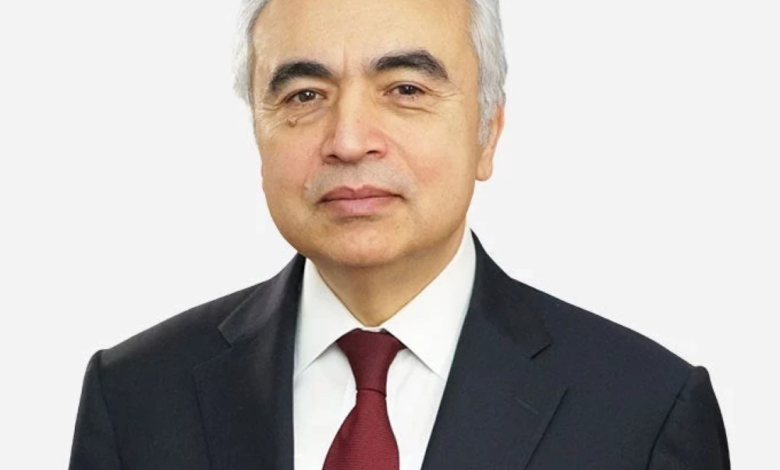

أطلق فاتح بيرول، المدير التنفيذي لوكالة الطاقة الدولية، تحذيراً شديد اللهجة بشأن الوضع الراهن للأسواق العالمية، مؤكداً أن العالم يمر حالياً بأكبر أزمة طاقة يشهدها منذ عقود. وأشار بيرول في تصريحاته إلى أن أسعار النفط قد تضاعفت بشكل ملحوظ مقارنة بمستوياتها المسجلة في بداية الحرب، مما يضع الاقتصاد العالمي أمام تحديات غير مسبوقة تتطلب تدخلات عاجلة وحلولاً جذرية لتفادي ركود اقتصادي عالمي.
أهمية فتح مضيق هرمز لضمان استقرار أسواق النفط
وشدد المدير التنفيذي لوكالة الطاقة الدولية على أن الحل الأهم والأكثر فاعلية لاحتواء هذه المشكلة المتفاقمة يتمثل في ضرورة فتح مضيق هرمز بالكامل ودون أية شروط مسبقة. وتأتي أهمية هذا التصريح من كون مضيق هرمز يُعد أحد أهم الممرات المائية الاستراتيجية في العالم، حيث يمر عبره نحو خُمس استهلاك العالم من النفط الخام يومياً. إن أي تعطيل أو تقييد لحركة الملاحة في هذا الشريان الحيوي يؤدي مباشرة إلى صدمات عنيفة في سلاسل الإمداد، مما ينعكس فوراً على أسعار النفط العالمية ويزيد من حدة التوترات الجيوسياسية والاقتصادية في منطقة الشرق الأوسط والعالم.
تداعيات أزمة الطاقة على الأمن الغذائي العالمي
ولم يقتصر تحذير وكالة الطاقة الدولية على قطاع المحروقات فحسب، بل امتد ليشمل الأمن الغذائي العالمي. فقد بيّن بيرول أنه مع اقتراب موسم الزراعة، ستنعكس أسعار الطاقة المرتفعة بشكل مباشر وقاسٍ على أسعار المواد الغذائية. ويرجع هذا الارتباط الوثيق إلى اعتماد القطاع الزراعي الحديث بشكل كبير على الطاقة، سواء في تشغيل الآلات والمعدات الزراعية، أو في تكاليف النقل والشحن، والأهم من ذلك في إنتاج الأسمدة الكيماوية التي تعتمد بشكل أساسي على الغاز الطبيعي والمشتقات النفطية. وأكد بيرول أن ما نشهده الآن من تضخم في أسعار الغذاء هو مجرد البداية، مما ينذر بأزمات إنسانية واقتصادية قد تضرب العديد من الدول النامية والمستوردة للغذاء.
الخلفية التاريخية: مقارنة مع أزمة عام 1973
وفي سياق تقييمه لحجم الكارثة الحالية، وصف فاتح بيرول أزمة الطاقة الراهنة بأنها الأكبر منذ عام 1973. وتعود الجذور التاريخية لأزمة 1973 إلى الحظر النفطي الذي فرضته الدول العربية المنتجة للنفط، والذي أدى حينها إلى ارتفاعات فلكية في الأسعار وصدمة ركود تضخمي ضربت الاقتصادات الكبرى. وأوضح بيرول أن الأزمة الحالية تتجاوز في تعقيداتها وتأثيراتها تلك الحقبة، بل وتعد أكبر بكثير من الأزمات الثلاث الكبرى التي شهدها التاريخ المجتمعي الحديث مجتمعة. فالأزمة اليوم لا تقتصر على النفط فقط، بل تشمل الغاز الطبيعي والفحم، وتتزامن مع تحديات الانتقال نحو الطاقة النظيفة واضطرابات سلاسل التوريد العالمية.
التأثير المتوقع على المستويات المحلية والدولية
إن استمرار هذه الأزمة سيخلف تأثيرات عميقة على كافة الأصعدة. فعلى الصعيد المحلي والإقليمي، ستواجه الدول المستوردة للطاقة ضغوطاً هائلة على موازناتها العامة، مما قد يؤدي إلى تراجع معدلات النمو الاقتصادي وارتفاع معدلات التضخم والبطالة. أما على الصعيد الدولي، فإن هذه الأزمة تعيد رسم خريطة التحالفات الجيوسياسية وتدفع الدول الكبرى إلى تسريع خططها نحو تحقيق الاستقلال في مجال الطاقة والبحث عن مصادر بديلة ومستدامة. وفي النهاية، يبقى استقرار أسواق الطاقة العالمية مرهوناً بتغليب لغة الحوار وتأمين الممرات الملاحية الاستراتيجية لضمان تدفق الإمدادات دون انقطاع.