
تستمر تداعيات وفاة أسطورة كرة القدم الأرجنتينية دييغو أرماندو مارادونا في إثارة الجدل، حيث كشفت جلسات المحاكمة الأخيرة لفريقه الطبي عن تفاصيل مؤلمة ومروعة حول ساعاته الأخيرة. ففي شهادة هزت الرأي العام، أكد أحد الأطباء الشرعيين أن مارادونا عانى من احتضار طويل ومؤلم امتد لنحو 12 ساعة قبل وفاته في 25 نوفمبر 2020، مما يعزز بقوة فرضية الإهمال الطبي الجسيم.
أدلى الطبيب الشرعي كارلوس كاسينيلي، مدير الطب الشرعي في شرطة مقاطعة بوينس آيرس، بشهادته أمام محكمة سان إيسيدرو، موضحًا أن حالة مارادونا الصحية لم تكن وليدة لحظة مفاجئة. وقال: «قلب مارادونا كان مغطى بالدهون والجلطات الدموية، مما يشير بوضوح إلى معاناة طويلة». وأضاف أن التحاليل أظهرت تراكمًا للسوائل في الرئتين لمدة لا تقل عن 10 أيام، وتضخمًا حادًا في القلب الذي وصل وزنه إلى ضعف الوزن الطبيعي، بالإضافة إلى وذمة دماغية ونقص حاد في الأكسجين.
سياق الأحداث: من الجراحة إلى الوفاة المأساوية
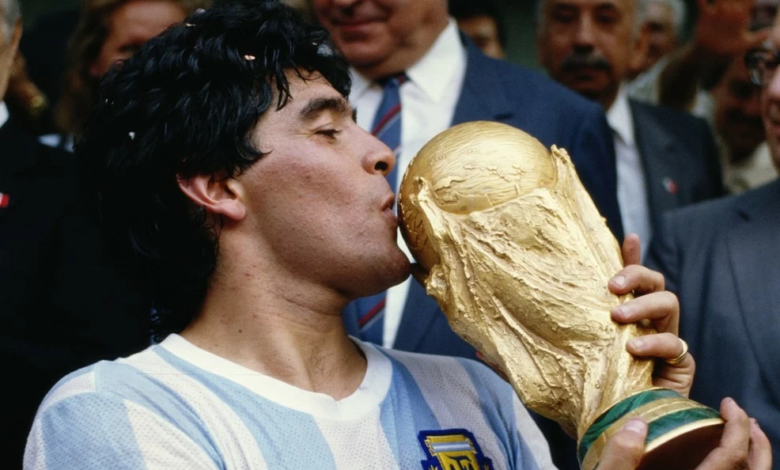
تأتي هذه المحاكمة في أعقاب وفاة مارادونا عن عمر يناهز 60 عامًا، بعد أسابيع قليلة من خضوعه لعملية جراحية ناجحة لإزالة ورم دموي في الدماغ. وبدلاً من نقله إلى مركز متخصص للتعافي، تم اتخاذ قرار مثير للجدل بنقله إلى منزل مستأجر في حي تيغري بضواحي بوينس آيرس، وهو ما اعتبره الادعاء والخبراء مكانًا غير مجهز على الإطلاق للتعامل مع حالته الصحية المعقدة. لقد كان مارادونا، الذي قاد الأرجنتين للفوز بكأس العالم 1986 ويُعتبر أحد أعظم اللاعبين في التاريخ، يعاني من تاريخ طويل من المشاكل الصحية المتعلقة بالقلب والكلى والكبد، فضلاً عن صراعه مع إدمان الكحول والمخدرات.
أهمية المحاكمة وتأثيرها المتوقع
تحمل هذه القضية أهمية كبرى على الصعيدين المحلي والدولي. في الأرجنتين، يُعد مارادونا بطلاً قومياً وأيقونة لا تمس، وقد أثارت وفاته حزناً وطنياً عميقاً ومطالبات شعبية واسعة بتحقيق العدالة. المحاكمة لا تقتصر على كونها إجراءً قانونياً، بل أصبحت حدثاً وطنياً يتابعه الملايين بشغف، وينظرون إليها كاختبار لنزاهة القضاء في محاسبة المسؤولين عن رحيل “الفتى الذهبي”.
على الصعيد الدولي، يتابع عشاق كرة القدم ووسائل الإعلام العالمية المحاكمة عن كثب. إنها تسلط الضوء على المسؤولية الطبية في رعاية الشخصيات العامة والرياضيين، وقد يؤثر الحكم النهائي على كيفية التعامل مع الحالات المماثلة في المستقبل. يواجه ثمانية من أعضاء الفريق الطبي، بينهم جراح الأعصاب ليوبولدو لوكي والطبيبة النفسية أغوستينا كوساتشوف، تهمة “القتل غير العمد مع سبق الإصرار المحتمل”، وهي تهمة قد تصل عقوبتها إلى السجن لمدة 25 عامًا. شهادة الطبيب كاسينيلي بأن “أي طبيب” كان بإمكانه اكتشاف الأعراض الخطيرة قبل أيام من الوفاة، وأن مارادونا لم يكن يجب أن يُعالج في المنزل، تضع الفريق الطبي في موقف حرج للغاية، وتزيد من الضغط لتحقيق العدالة لأسطورة رحلت في ظروف مأساوية.