Saudi Arabia and the Security Council: A call to protect navigation in the Red Sea

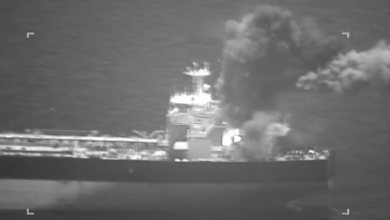
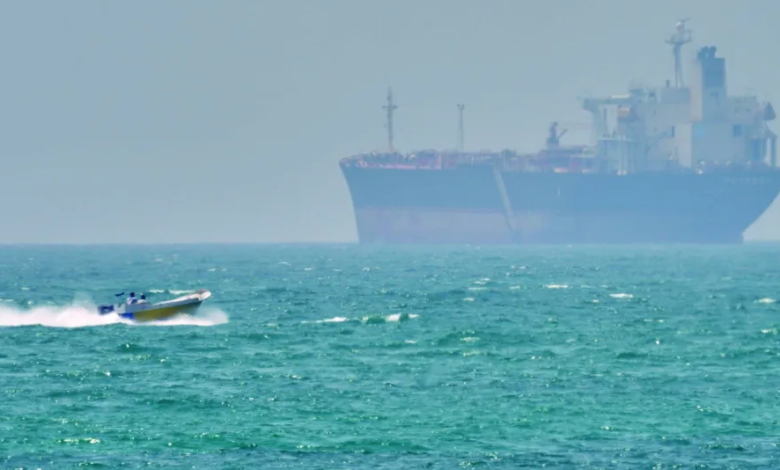
In a crucial session of the UN Security Council, Saudi Arabia emphasized that ensuring the security and safety of maritime navigation in the Red Sea and the Bab el-Mandeb Strait is a collective international responsibility, calling on the international community to play its part in confronting the threats targeting this vital trade route. This firm Saudi stance comes amidst escalating attacks by the Houthi group on commercial vessels, which have led to significant disruptions in global trade.
General context and historical background
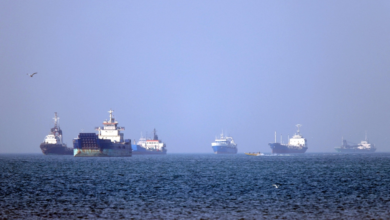
The Red Sea is one of the world's most important waterways, through which approximately 12% of global trade passes, including vast quantities of oil and liquefied natural gas. Its strategic importance lies in its connection between the Mediterranean Sea and the Indian Ocean via the Suez Canal, making it a vital chokepoint for the global economy. Since the start of the conflict in Yemen, the Houthis' military capabilities have posed an intermittent threat to navigation, but the frequency and nature of attacks have escalated significantly in recent months. The group has linked its attacks to the conflict in Gaza, targeting commercial vessels it claims are connected to or bound for Israel, before expanding its targeting to include other ships.
The importance of the Saudi position and its expected impact
The Kingdom's invitation is particularly significant given its strategic location on the Red Sea and its economic and strategic interests tied to regional stability. Not only is the Kingdom a major oil exporter reliant on this waterway, but it is also investing billions of dollars in massive development projects along the Red Sea coast as part of its Vision 2030, such as NEOM and the Red Sea Global Project. Therefore, any security instability threatens these projects and negatively impacts their investment appeal.
Regionally, the Saudi position reflects a desire to avoid a large-scale military escalation that could undermine fragile peace efforts in Yemen, while simultaneously emphasizing the need for a coordinated and deterrent international response. The call for “collective responsibility” shifts the burden from a regional confrontation to an international issue requiring a solution under the auspices of international legitimacy and the United Nations. Internationally, this stance supports efforts to form international coalitions, such as the US-led Operation Prosperity Sentinel, and aims to garner broader support to ensure that global supply chains are not disrupted and that shipping and insurance costs do not rise, potentially triggering new waves of inflation that would affect economies worldwide.