
Introduction: Power Struggle in Washington
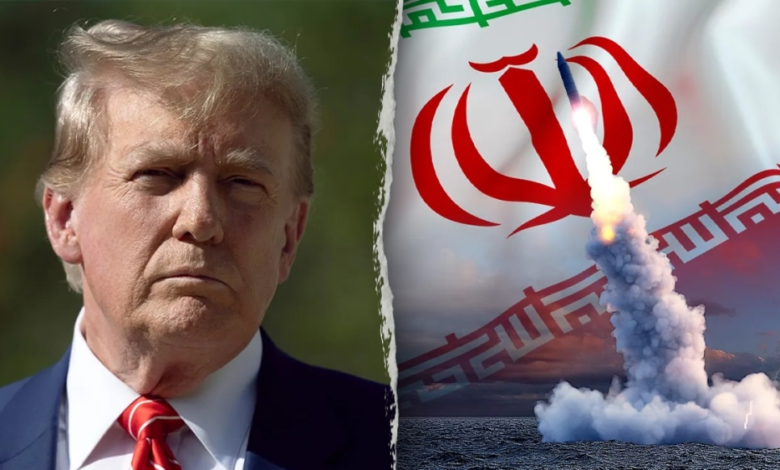
Republican lawmakers in the US Congress blocked a Democratic-led effort to limit Trump's military powers regarding a potential war with Iran. This move comes amid growing discontent within Congress over the administration's handling of escalating conflicts and tensions in the Middle East, reflecting a deep political divide over US foreign policy.
Historical context: The War Powers Act of 1973
To understand the roots of this dispute, one must return to the War Powers Resolution of 1973, passed in the aftermath of the Vietnam War. This landmark law aimed to ensure that the United States would not engage in prolonged armed conflicts without explicit congressional approval. It required the president to notify Congress of the deployment of armed forces and set a 60-day limit on military operations unless Congress issued a formal authorization for the use of military force or a declaration of war. Despite this law, a historical tension persisted between successive U.S. presidents and Congress regarding the constitutional interpretation of the powers of the commander-in-chief.
Details of the democratic endeavor and its frustration
House Minority Leader Hakeem Jeffries sought to pass legislation concerning the president's military powers by consensus, a mechanism that allows for bypassing a recorded vote unless an objection is raised. However, this effort was met with predictable opposition from Republican representatives, who thwarted the move. While largely symbolic, this attempt reflects growing frustration among Democrats regarding a conflict for which Congress has not formally authorized action.
Jeffreys urged his colleagues to press for immediate action, arguing that temporary lulls were insufficient and calling for a permanent end to U.S. involvement in any unjustified war. Republicans, however, showed no openness to the idea of limiting the president's military powers, believing it would weaken Washington's deterrent stance.
Trump's stance and statements
Amid this political controversy, US President Donald Trump stated on his official account that “the great US military is taking a break in preparation for the next battle.” In his tweet, Trump affirmed that US forces would remain deployed at strategic locations near Iran until a “real deal” is reached. This statement reflects the “maximum pressure” strategy adopted by the US administration toward Tehran, which included withdrawing from the nuclear agreement and imposing crippling economic sanctions.
Parallel moves in the Senate
The Democratic movement isn't limited to the House of Representatives; in the Senate, Minority Leader Chuck Schumer hinted at a parallel move, with a vote expected in the coming days. The failed effort in the House sets the stage for a more serious confrontation when lawmakers return from their recess, as Democrats intend to force a recorded vote on the legislation, which would require only a small number of Republican votes for passage.
The importance of the event and its expected effects
On the domestic level: This event deepens the partisan polarization within the United States, and raises fundamental constitutional questions about the balance between the executive and legislative branches in decisions of peace and war.
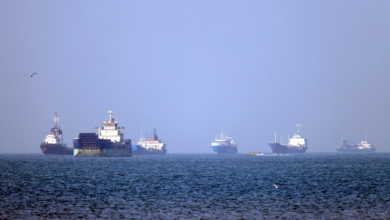
Regionally, this debate casts a shadow over the Middle East, where US allies are closely watching the direction of American policy. Any restriction on presidential powers could be interpreted in Tehran as a weakening of American deterrence, while proponents of such restrictions argue that they would spare the region the horrors of a devastating war that could destabilize the Arabian Gulf and disrupt international shipping.
Internationally, global powers, particularly European allies, are closely monitoring these developments. Any outbreak of US-Iranian conflict would inevitably lead to massive disruptions in global energy markets, threatening the global economy and making US congressional oversight a preferred safeguard by the international community to avoid uncontrolled military escalation.