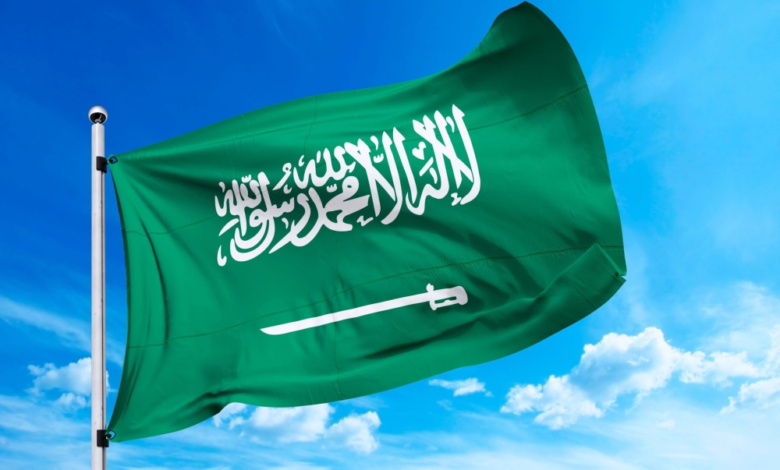

أكدت المملكة العربية السعودية، في كلمة لها أمام الأمم المتحدة، على الأهمية القصوى لضمان وحماية حرية الملاحة في مضيق هرمز، مشددة على أن استقرار هذا الممر المائي الحيوي يمثل ركيزة أساسية لأمن الطاقة العالمي والاقتصاد الدولي. جاء هذا الموقف على لسان المندوب الدائم للمملكة لدى الأمم المتحدة، الدكتور عبد العزيز الواصل، خلال مؤتمر صحفي مشترك جمع دول مجلس التعاون لدول الخليج العربية والولايات المتحدة الأمريكية، لمناقشة مشروع قرار يتعلق بأمن الملاحة في المضيق.
وأوضح الواصل أن أي تهديد لحرية الملاحة في مضيق هرمز، الذي يعد من أهم الممرات البحرية في العالم، سيكون له انعكاسات مباشرة وخطيرة على استقرار الأسواق العالمية وسلاسل الإمداد الدولية. وحذر من التداعيات الإنسانية والاقتصادية الوخيمة التي قد تنجم عن أي تعطيل لتدفق السلع الأساسية، والإمدادات الطبية، والمساعدات الإنسانية عبر هذا الشريان التجاري العالمي.
السياق العام والأهمية الاستراتيجية لمضيق هرمز
يتمتع مضيق هرمز بأهمية استراتيجية فريدة، فهو يربط بين الخليج العربي وخليج عمان، ومن خلاله إلى بحر العرب والمحيط الهندي. يمر عبر هذا المضيق الضيق ما يقارب خُمس استهلاك النفط العالمي يوميًا، بالإضافة إلى كميات هائلة من الغاز الطبيعي المسال، مما يجعله “نقطة الاختناق” الأكثر أهمية في العالم لإمدادات الطاقة. تاريخيًا، كان المضيق مسرحًا للعديد من التوترات الجيوسياسية، وشهد حوادث متكررة هددت استقرار الملاحة فيه، مما يفسر القلق الدولي الدائم بشأن أمنه. إن موقعه الجغرافي بين إيران وسلطنة عمان يضعه في قلب منطقة ذات حسابات سياسية معقدة، مما يجعل الدعوات الدولية لضمان أمنه أمرًا متكررًا وحيويًا.
التأثيرات المحتملة على الصعيدين الإقليمي والدولي
إن دعوة المملكة لتحرك دولي منسق لا تأتي من فراغ، فأي تصعيد في المنطقة أو إغلاق للمضيق سيؤدي إلى ارتفاع فوري في أسعار النفط العالمية، مما سيؤثر سلبًا على اقتصادات الدول المستوردة والمصدرة على حد سواء، ويزيد من معدلات التضخم عالميًا. على الصعيد الإقليمي، سيتسبب أي اضطراب في شل حركة التجارة لدول الخليج التي تعتمد بشكل كبير على التصدير والاستيراد عبر موانئها. ودوليًا، فإن ضمان التدفق الآمن والمستمر للتجارة عبر المضيق يمثل مصلحة مشتركة للمجتمع الدولي بأسره، وهو ما شدد عليه الواصل في كلمته، داعيًا إلى ضرورة تعزيز التعاون الدولي لحماية الممرات البحرية الحيوية وصون الأمن والسلم الدوليين، والعمل على خفض التصعيد ومنع تفاقم الأزمات بما يخدم الاستقرار الإقليمي والعالمي.