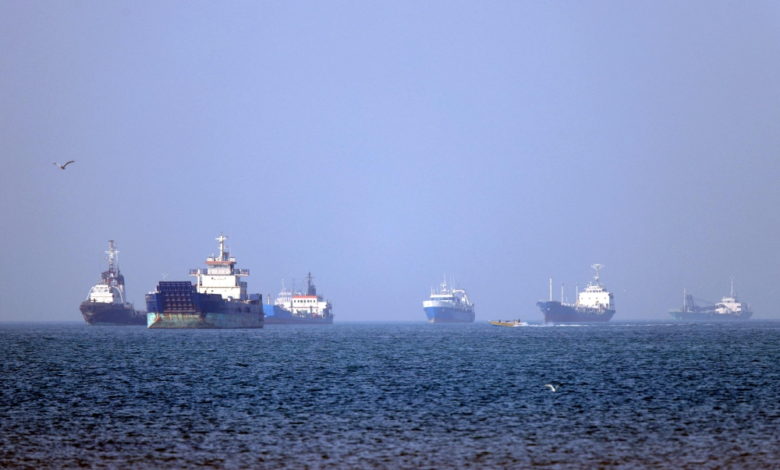

تتصاعد حدة التوترات في منطقة الخليج العربي، وسط تقارير متضاربة حول وقوع انفجارات في جزيرة قشم الإيرانية، وإعلان الولايات المتحدة عن ضربات عسكرية ضد إيران رداً على هجوم استهدف سفينتين في مضيق هرمز. وبحسب ما ورد، أفاد التلفزيون الرسمي الإيراني بوقوع دوي انفجارات في جزيرة قشم، مشيراً إلى أنها نتجت عن “تبادل لإطلاق النار” مع “العدو” بالقرب من رصيف بهمن، دون تقديم مزيد من التفاصيل حول هوية الجهة المعادية أو حجم الأضرار.
السياق التاريخي للتوترات في مضيق هرمز
يعد مضيق هرمز أحد أهم الممرات المائية الاستراتيجية في العالم، حيث يمر عبره ما يقرب من خُمس استهلاك النفط العالمي يومياً. هذا الموقع الجغرافي الحساس جعله تاريخياً مسرحاً للتوترات بين إيران والقوى الغربية، وعلى رأسها الولايات المتحدة. تمتد جذور هذا الصراع لعقود، لكنها شهدت تصعيداً ملحوظاً في السنوات الأخيرة، خاصة بعد انسحاب الولايات المتحدة من الاتفاق النووي الإيراني (خطة العمل الشاملة المشتركة) في عام 2018، وإعادة فرض عقوبات اقتصادية قاسية ضمن سياسة “الضغط الأقصى”. وقد أدت هذه السياسة إلى سلسلة من الحوادث الخطيرة في مياه الخليج، بما في ذلك هجمات غامضة على ناقلات نفط، واحتجاز سفن، وإسقاط طائرات مسيرة، مما وضع المنطقة مراراً على حافة مواجهة عسكرية مباشرة.
أهمية الحدث وتأثيره المتوقع
تكمن خطورة مثل هذه الحوادث في قدرتها على إشعال فتيل صراع واسع النطاق قد تكون له عواقب وخيمة. على الصعيد المحلي، قد تؤدي أي مواجهة عسكرية إلى تفاقم الأوضاع الاقتصادية الصعبة في إيران وزعزعة الاستقرار الداخلي. أما إقليمياً، فإن أي اشتباك في مضيق هرمز يهدد أمن الملاحة في الخليج العربي بأكمله، مما يؤثر بشكل مباشر على دول الجوار التي تعتمد بشكل كبير على صادرات النفط والغاز عبر هذا الممر الحيوي. دولياً، التأثير الأكثر وضوحاً وفورية سيكون على أسواق الطاقة العالمية. أي اضطراب في إمدادات النفط من شأنه أن يؤدي إلى ارتفاع حاد في الأسعار، مما يلقي بظلاله على الاقتصاد العالمي الذي لا يزال يتعافى من أزمات متلاحقة. وتراقب القوى الدولية، بما في ذلك الصين وروسيا والاتحاد الأوروبي، التطورات بقلق بالغ، وتدعو باستمرار إلى ضبط النفس والحوار لتجنب الانزلاق نحو حرب مدمرة.