
Unprecedented security campaign in Iran
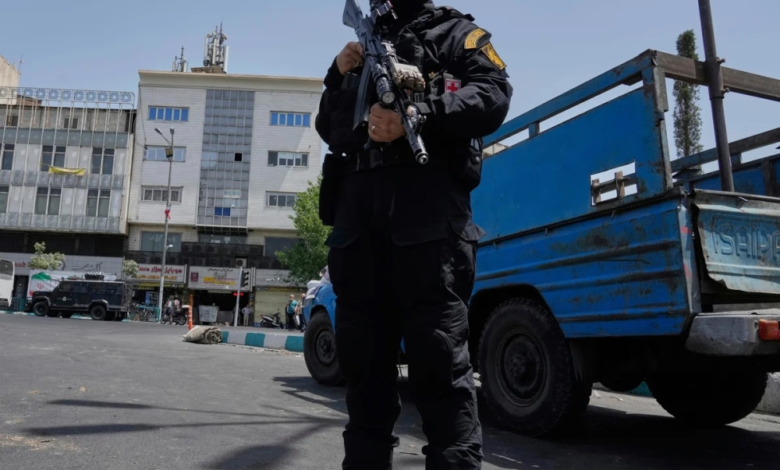
The Norway-based organization Iran Human Rights announced that Iranian authorities have carried out a widespread arrest campaign targeting more than 3,600 people since tensions escalated in the Middle East. According to the organization's report released on Tuesday, these arrests were based on serious national security charges, most notably espionage and collaboration with foreign intelligence agencies.
The organization explained that the figure, compiled from official media sources and independent research, likely represents a “minimum” given the severe internet restrictions and the difficulty of information flowing from within Iran. It noted that the actual number of detainees could be much higher, reflecting the scale of the security crackdown being waged by the authorities under the current regional circumstances.
A tense regional context and historical background
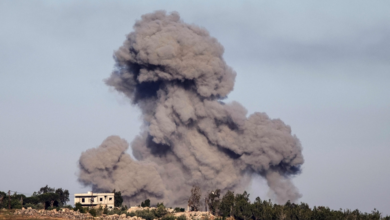
This campaign comes at a time of heightened tension in the Middle East, particularly following the tit-for-tat attacks between Iran and Israel. The two countries have waged a so-called “shadow war” for decades, which has included cyberattacks, assassinations of nuclear scientists, and covert operations. But this latest direct confrontation has taken the conflict to a new level of openness and danger.
Domestically, Iranian authorities have a long history of suppressing dissent and using national security charges as a pretext to silence critical voices, from civil society activists and lawyers to journalists and ordinary citizens. The country has witnessed major waves of protest, most notably those that erupted after the death of young activist Mahsa Amini in 2022, which were met with brutal repression by security forces.
The nature of the charges and their local and international impact
The charges against the detainees are varied and extremely serious, including espionage, communicating with foreign intelligence agencies, transmitting images and coordinates of sensitive sites, and attempting to form operational cells. The arrests also targeted individuals accused of using or distributing Starlink satellite internet devices to circumvent internet censorship, or suspected of collaborating with opposition groups abroad.
Domestically, this campaign aims to instill fear and prevent any internal movement that the authorities might perceive as exploiting the volatile regional situation. It also strengthens the grip of the security apparatus, particularly the Ministry of Intelligence and the Revolutionary Guard, on society. Internationally, these arrests have raised serious concerns among human rights organizations, which warn of the lack of due process and the risk of torture. The list of detainees includes prominent figures such as lawyer and Sakharov Prize laureate Nasrin Sotoudeh, while Nobel Peace Prize laureate Narges Mohammadi remains in detention, highlighting the dire state of human rights in the country.