
Potential Israeli escalation: Details of military pledges to increase attacks against Iran
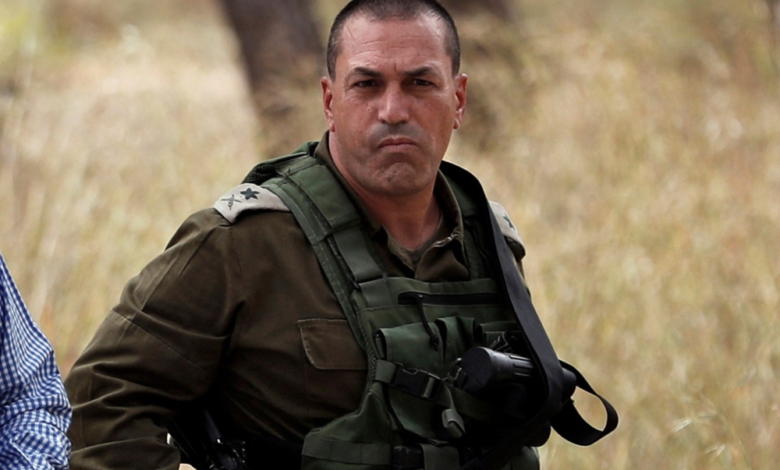
In a striking development reflecting escalating tensions in the Middle East, Israeli military officials have issued strongly worded statements signaling a new phase of direct conflict. Eyal Zamir, in his remarks on Tuesday, asserted that the joint Israeli-American offensive against Iran is rapidly approaching a critical strategic juncture. Zamir unequivocally pledged to escalate attacks and military operations against the regime in Tehran, indicating that the next phase will witness fundamental shifts in the nature of the military and security confrontation in the region.
General context and historical background of the Israeli-Iranian conflict
These statements were not spontaneous, but rather an extension of a long and complex conflict known in the media as the “shadow war” between Israel and Iran, which has lasted for decades. Historically, Israel considers the Iranian nuclear program its greatest existential threat and has worked for many years to hinder and delay it through a series of precise intelligence operations, sophisticated cyberattacks such as the Stuxnet virus, and assassinations targeting senior Iranian nuclear scientists. In response, Iran has supported a broad network of armed factions in the region, known as the “Axis of Resistance,” to encircle Israel and threaten its national security from multiple fronts, particularly in Lebanon, Syria, the Gaza Strip, and Yemen.
Details of recent Israeli statements
In assessing the ongoing operations, Zamir explained in an official statement that Israeli forces have thus far achieved significant strategic and tactical gains, compared to the objectives precisely defined at the outset of the targeted military operations. He added firmly, "We will continue to act with determination and force, and we will escalate our attacks against the Iranian regime," confirming the existence of pre-existing military plans to broaden the scope of targets to include infrastructure or vital facilities both inside and outside Iranian territory—a move that could alter the current rules of engagement.
The importance of the event and its expected impact on various levels
Local and regional impact
Domestically, these mutual threats have placed both countries on high military and security alert, draining economic resources and exacerbating public anxiety. Regionally, any direct and open military escalation between Israel and Iran risks igniting a wider regional war. Iranian-backed factions in countries such as Lebanon, Syria, Iraq, and Yemen could intervene more extensively and directly, further destabilizing the entire Middle East and threatening maritime security in vital waterways like the Strait of Hormuz and the Red Sea.
International and global impact
Internationally, this escalation carries very serious repercussions for the global economy, particularly concerning energy and oil prices, as any security instability in the Arabian Gulf region will inevitably lead to unprecedented spikes in fuel prices and shipping costs. Furthermore, direct or indirect US involvement in this conflict could draw other major world powers, such as Russia and China, into the arena of diplomatic or military tensions, making this “strategic crossroads,” as described by Israeli officials, a historic turning point that could reshape the current world order and the international balance of power.