زيارة ترامب للصين: ترحيب بكين ومباحثات حول التجارة وكوريا الشمالية

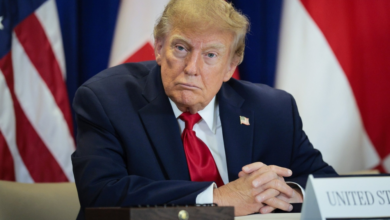
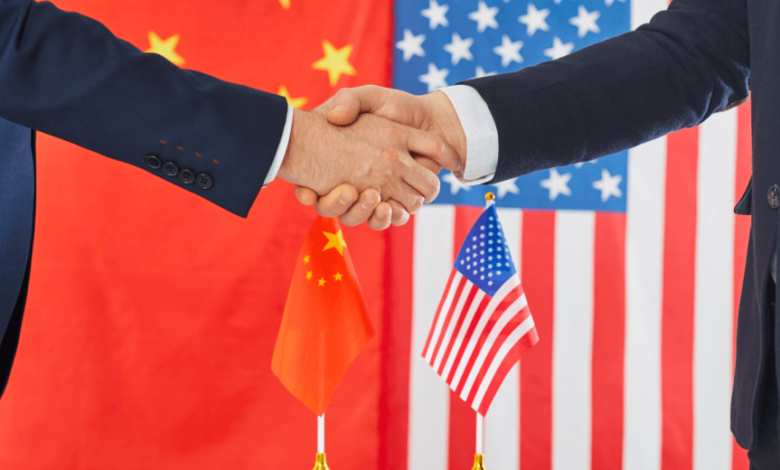
أعلنت الصين رسمياً ترحيبها بالرئيس الأمريكي دونالد ترامب قبيل ساعات من وصوله إلى بكين يوم الأربعاء، في زيارة دولة وُصفت بأنها محورية وتأتي في خضم توترات اقتصادية وتحديات جيوسياسية معقدة. وأكد المتحدث باسم وزارة الخارجية الصينية، غوو جياكون، في إحاطة صحافية، أن بكين على أتم الاستعداد للعمل مع واشنطن من أجل تعزيز التعاون المشترك والتعامل البنّاء مع الخلافات، تمهيداً لمحادثات مرتقبة بين ترامب ونظيره الصيني شي جينبينغ.
سياق الزيارة وأهميتها التاريخية
تأتي هذه الزيارة ضمن جولة آسيوية موسعة للرئيس ترامب، وهي الأولى له منذ توليه منصبه، وشملت اليابان وكوريا الجنوبية قبل وصوله إلى الصين. وقد حملت الزيارة أهمية خاصة كونها جرت في وقت كانت فيه العلاقات الصينية الأمريكية تمر بمرحلة حساسة. فمن ناحية، كانت إدارة ترامب تضغط بشدة على الصين لمعالجة العجز التجاري الضخم بين البلدين، والذي اعتبره ترامب غير عادل للاقتصاد الأمريكي، ملوحاً بفرض رسوم جمركية عقابية. ومن ناحية أخرى، كانت واشنطن تسعى للحصول على دعم بكين الكامل لكبح جماح البرنامج النووي لكوريا الشمالية، الذي كان يشكل تهديداً متصاعداً للأمن الإقليمي والدولي.
تأثير متوقع على الصعيدين الإقليمي والدولي
كانت الأنظار العالمية تتجه نحو بكين لمراقبة الديناميكية بين زعيمي أكبر اقتصادين في العالم. بالنسبة للرئيس شي جينبينغ، الذي كان قد عزز سلطته مؤخراً في المؤتمر الوطني التاسع عشر للحزب الشيوعي الصيني، شكلت الزيارة فرصة لإبراز مكانة الصين كقوة عالمية لا يمكن تجاوزها، قادرة على التعامل مع الولايات المتحدة من موقع الندّية. وقد استقبلت بكين ترامب بحفاوة بالغة وُصفت بأنها “زيارة دولة بلس”، في محاولة دبلوماسية لتعزيز العلاقات الشخصية بين الزعيمين وتخفيف حدة الخلافات. كان من المتوقع أن تسفر الزيارة عن توقيع اتفاقيات تجارية بمليارات الدولارات، وهو ما حدث بالفعل، لكنها لم تنجح في حل القضايا الهيكلية العميقة المتعلقة بالوصول إلى الأسواق وحماية الملكية الفكرية، والتي استمرت في كونها نقاط خلاف رئيسية أدت لاحقاً إلى حرب تجارية شاملة.
ملفات على طاولة المباحثات
إلى جانب الملفين التجاري والكوري الشمالي، تناولت المباحثات قضايا استراتيجية أخرى، بما في ذلك بحر الصين الجنوبي والتعاون في مجال مكافحة الإرهاب. ورغم التصريحات الودية والترحيب الرسمي، كانت الزيارة تمثل اختباراً حقيقياً لقدرة البلدين على إدارة خلافاتهما ومنعها من التفاقم إلى صراع مفتوح. لقد شكلت هذه القمة محطة فارقة في تاريخ العلاقات الصينية الأمريكية، حيث كشفت عن تعقيدات التنافس والتعاون بين القوتين العظميين في القرن الحادي والعشرين.