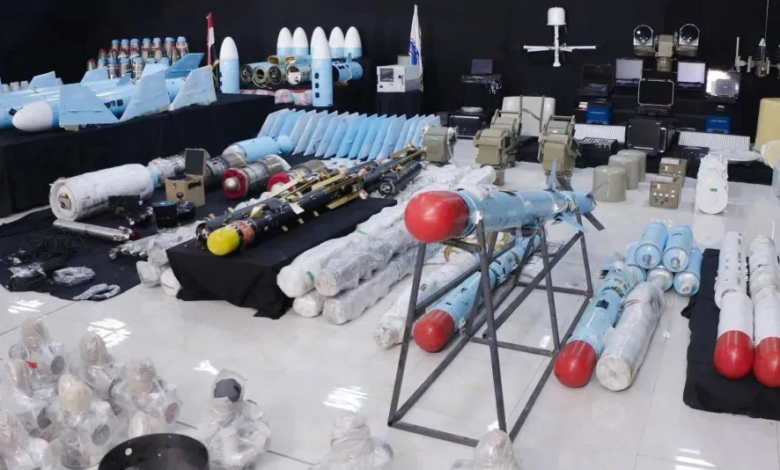

كشف تقرير دولي حديث عن تصاعد مقلق في القدرات العسكرية لجماعة الحوثي في اليمن، مؤكداً حصولها على أسلحة نوعية متقدمة تشمل صواريخ باليستية وطائرات مسيّرة بعيدة المدى، مما يمثل تحولاً خطيراً في مسار الصراع المستمر منذ سنوات ويزيد من تعقيدات المشهد الإقليمي.
خلفية الصراع وتطور القدرات العسكرية
اندلع الصراع اليمني في أواخر عام 2014 عندما سيطر الحوثيون على العاصمة صنعاء، وتصاعدت وتيرته مع تدخل التحالف العربي بقيادة المملكة العربية السعودية في مارس 2015 لدعم الحكومة اليمنية المعترف بها دولياً. في بداية النزاع، كانت ترسانة الحوثيين تعتمد بشكل أساسي على مخزونات الجيش اليمني السابقة. لكن مع مرور السنوات، شهدت قدراتهم العسكرية تطوراً نوعياً لافتاً، حيث بدأوا في استخدام وتشغيل أنظمة أسلحة أكثر تطوراً وتعقيداً، وهو ما أثار تساؤلات دولية حول مصادر هذا التسليح في ظل الحظر المفروض من قبل الأمم المتحدة.
تفاصيل التقرير ومؤشرات التصعيد
يرصد التقرير، الذي يستند إلى تحليل خبراء وأدلة مادية، أن الأسلحة التي باتت بحوزة الحوثيين لم تعد تقتصر على نماذج قديمة، بل تشمل طائرات مسيّرة هجومية قادرة على الوصول إلى أهداف على بعد مئات الكيلومترات بدقة متزايدة، بالإضافة إلى صواريخ كروز وصواريخ باليستية متطورة. ويشير الخبراء إلى أن مكونات هذه الأسلحة وتصميمها الفني يحمل بصمات تتشابه إلى حد كبير مع أنظمة أسلحة إيرانية، وهو ما يعزز الاتهامات الموجهة لطهران بانتهاك حظر الأسلحة الدولي وتهريب التكنولوجيا العسكرية إلى الحوثيين، الأمر الذي تنفيه إيران باستمرار.
الأهمية والتأثيرات المحتملة
إن هذا التطور في تسليح الحوثيين يحمل في طياته تداعيات خطيرة على عدة مستويات:
- على المستوى المحلي: يمنح هذا التسليح النوعي الحوثيين قدرة أكبر على إطالة أمد الصراع، ويزيد من صعوبة التوصل إلى حل سياسي، كما يرفع منسوب الخسائر البشرية والمادية في الداخل اليمني.
- على المستوى الإقليمي: يشكل امتلاك هذه الأسلحة تهديداً مباشراً لأمن دول الجوار، خاصة المملكة العربية السعودية والإمارات العربية المتحدة، اللتين تعرضتا لهجمات متكررة بطائرات مسيّرة وصواريخ. كما يهدد أمن الملاحة الدولية في أحد أهم الممرات المائية في العالم، وهو مضيق باب المندب والبحر الأحمر.
- على المستوى الدولي: يزيد هذا التصعيد من زعزعة استقرار منطقة حيوية لإمدادات الطاقة العالمية، ويجعل الجهود الدبلوماسية الدولية أكثر تعقيداً، حيث يصبح ميزان القوى العسكري عاملاً مؤثراً بشكل أكبر في أي مفاوضات مستقبلية.
ويخلص التقرير إلى أن استمرار تدفق هذه الأسلحة النوعية إلى الحوثيين لا يهدد فقط بانهيار أي هدنة هشة، بل ينذر بتوسيع رقعة الصراع وتحويله إلى مواجهة إقليمية أوسع نطاقاً، مما يستدعي تحركاً دولياً أكثر حزماً لمراقبة وضبط منافذ التهريب وتطبيق قرارات مجلس الأمن بشكل فعال.