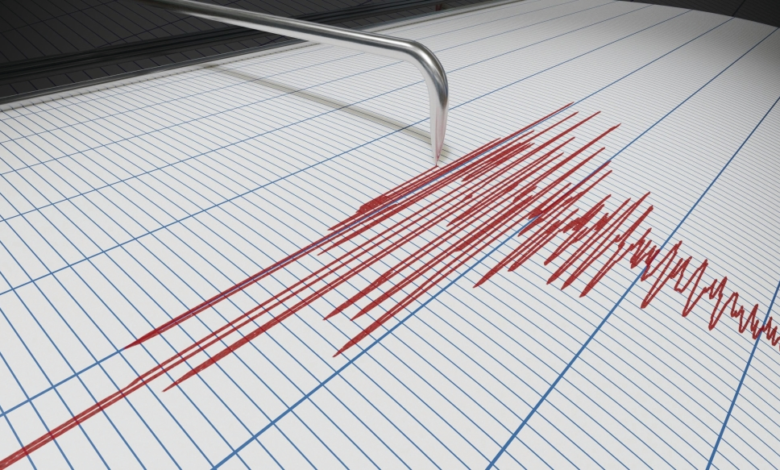

ضرب زلزالان، بلغت قوتهما 5.7 و 5.1 درجة على مقياس ريختر، مملكة تونغا الواقعة في جنوب المحيط الهادئ، مما أثار حالة من القلق في المنطقة المعروفة بنشاطها الزلزالي والبركاني المكثف. وأفادت هيئة المسح الجيولوجي الأمريكية، وهي الجهة المرجعية في رصد الزلازل عالميًا، أن الهزتين وقعتا بفارق زمني قصير دون أن ترد تقارير فورية عن وقوع خسائر بشرية أو أضرار مادية جسيمة.
ووفقًا للبيانات الصادرة، تم تسجيل الزلزال الأول الذي بلغت قوته 5.7 درجة على عمق كبير نسبيًا يصل إلى 154 كيلومترًا تحت سطح البحر، وهو ما يقلل عادةً من شدة تأثيره على السطح. أما الزلزال الثاني، الذي بلغت قوته 5.1 درجة، فقد كان أكثر سطحية، حيث وقع على عمق 10 كيلومترات فقط. وعلى الرغم من أن الزلازل السطحية غالبًا ما تكون أكثر تدميرًا، إلا أن قوته المعتدلة حالت دون وقوع أضرار كبيرة في الأرخبيل المكون من جزر متناثرة.
السياق الجيولوجي: تونغا وحزام النار
تقع مملكة تونغا في واحدة من أكثر المناطق نشاطًا جيولوجيًا على كوكب الأرض، وهي منطقة تُعرف باسم “حزام النار” في المحيط الهادئ. يمتد هذا الحزام على شكل قوس لمسافة 40 ألف كيلومتر، ويشهد حوالي 90% من الزلازل في العالم، بالإضافة إلى احتوائه على أكثر من 75% من البراكين النشطة. يعود هذا النشاط المكثف إلى حركة الصفائح التكتونية، حيث تقع تونغا تحديدًا عند نقطة التقاء صفيحة المحيط الهادئ مع الصفيحة الأسترالية، مما يؤدي إلى ضغط هائل يتسبب في حدوث زلازل متكررة وثورات بركانية عنيفة.
الأهمية والتأثير المتوقع
على الرغم من عدم صدور تحذيرات من حدوث موجات تسونامي بعد هذين الزلزالين، فإن أي نشاط زلزالي في هذه المنطقة يضع السلطات المحلية والدولية في حالة تأهب. فالتاريخ الحديث للمنطقة يحمل ذكرى كارثة ثوران بركان “هونجا تونجا-هونجا هاباي” في يناير 2022، والذي تسبب في موجات تسونامي مدمرة أثرت على تونغا والدول المجاورة، وأدت إلى أضرار واسعة النطاق في البنية التحتية وقطعت كابلات الاتصالات البحرية، مما عزل البلاد عن العالم لأسابيع. هذه الأحداث تبرز أهمية أنظمة الإنذار المبكر وقدرة المجتمعات المحلية على الاستجابة السريعة لمواجهة الكوارث الطبيعية. وعلى الصعيد الدولي، يتابع العلماء هذه الهزات عن كثب لدراسة حركة الصفائح التكتونية وفهم ديناميكيات حزام النار بشكل أفضل، مما يساهم في تحسين نماذج التنبؤ بالمخاطر الزلزالية عالميًا.